
Breeding rabbits is a profitable activity that brings many benefits to a person. It is worth noting that in addition to dietary meat and beautiful skins, these animals get a product such as manure. Rabbit manure is a valuable product for farms. It is a universal fertilizer for agricultural land. But in order for rabbit humus to really bring benefits and not harm, it must be properly disposed of and used.
Features of rabbit manure
Up to 1 centner of feces can be collected from one rabbit in one year. The composition of excrement in terms of composition and moisture level is similar to bird droppings. However, it is characterized by a much higher content of trace elements compared to the droppings of other animal species.
The use of this valuable rabbit manure can be compared with the effectiveness of many mineral fertilizers. It not only improves the mechanical properties of the soil, but also significantly increases its fertility. In addition, the use of this type of fertilizer is economically beneficial for farmers.
Chemical composition of manure :
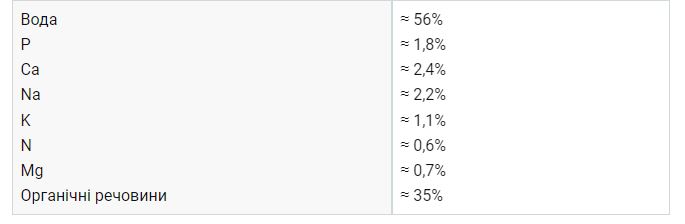
The chemical composition of rabbit manure depends on the region and the rabbit’s diet, and it can contain chemical elements such as Zn, Cu, Mn, Fe, Se, and others.
Advantages of using rabbit manure:
- A rich mineral composition that helps improve plant growth.
- The absence of weed seeds in the manure (rabbits do not eat such plants), which helps to avoid problems with sporadic weeds.
- Promotes the development of beneficial microorganisms in the soil, increasing its biological activity.
- Helps loosen the soil, facilitating the access of air and water to the root system of plants.
- It is an excellent basis for making compost, enriching it with minerals and microorganisms.
- Ergonomic in use: easy to assemble, transport and store.
- Suitable for fertilizing all types of plants.
- It is used to create “warm beds”, providing the optimal temperature for plant growth in the cold season.
Disadvantages of using rabbit manure:
- Do not use undiluted, as the high content of nitrogen compounds can harm plants.
- Improper use can lead to oversaturation of the soil with nitrogenous compounds, which can also have a negative effect on plants.
- When manure decomposes, toxic compounds such as ammonia and methane are produced, which require proper handling and ventilation when used.
- Rabbit manure dries quickly, so it must be stored in appropriate conditions to preserve its beneficial properties.
In general, rabbit manure is a valuable and effective fertilizer that can make a significant contribution to improving soil fertility and plant growth in agriculture and horticulture. However, it is important to follow proper usage and storage methods to maximize its benefits and avoid its drawbacks.
Common mistakes among farmers
Many novice farmers, due to inexperience, make a number of common mistakes when working with rabbit manure. Some of them believe that it is possible to directly apply fresh rabbit manure to fertilize the soil in their area. In reality, this approach can be harmful, as fresh manure has a very concentrated composition that can damage plant roots and even cause them to burn.
In addition, fresh rabbit droppings may contain harmful elements. If they are not neutralized properly, it can negatively affect the quality and fertility of the soil.
Not all farmers are familiar with the rules for collecting, storing and using rabbit manure. With improper storage, manure can rot and emit toxic substances. Failure to observe safety measures when working with this fertilizer can lead to serious poisoning of people who work with it.
Therefore, it is important to keep in mind that the correct use of rabbit manure requires compliance with certain rules and regulations. It can be a very useful fertilizer, but only when properly processed and used.
How to use rabbit manure as fertilizer
Rabbit manure is collected daily during rabbit maintenance. Then fresh feces can be used to prepare concentrates or sent to the production of humus or compost. One of the ways of storing manure is drying.
- Fresh manure. Fresh feces can be used to fertilize the soil, but before that they need to be diluted to the desired concentration. Feces from sick rabbits should be collected separately and treated with antibacterial agents and allowed to rot before use.
- Manure composting. The resulting manure can be collected in one place and left for a long time to rot. After the composting process is completed, we get high-quality fertilizer with excellent characteristics. This can be done in a pit, a special box or a fenced pile.
- Dry manure. Rabbit manure can be dried in the form of cakes or granules. During drying, toxic components and parasites are neutralized. This method is considered one of the safest. Drying allows you to remove harmful elements, leaving valuable substances for fertilizer.
- Infusion. Manure is mixed with water in certain proportions and allowed to stand for a certain time. After that, the resulting infusion is diluted before use, bringing the concentration to the desired level. If dried manure is used, then additional dilution with water is not required.
- Humus. Humus is formed as a result of the interaction of soil, manure and enzymes secreted by earthworms. However, a serious drawback is the need for a large number of worms for the effective process of humus formation.
Remember that the correct use of rabbit manure requires compliance with the relevant rules and conditions, but it can be a very useful fertilizer for increasing soil fertility and improving plant growth.
How to prepare fertilizer yourself
Creating fertilizer from rabbit manure with your own hands is not a difficult task, even for novice farmers. To do this, you need to prepare the necessary inventory, the material is manure itself, and have a little patience.
Collection and storage of manure
Farmers who house rabbits usually use special trays-pallets under the bottoms of cages or troughs and automatic systems for collecting faeces. Excreta are collected in these tanks, and from there they are transported to a general collection point. The storage place should be protected from direct sunlight.
If straw, hay or fodder gets into the manure, they do not need to be removed. Such impurities only enrich the composition of the future fertilizer.

Fertilizer preparation
Before using rabbit manure, it must be prepared. There are several methods of preparation used on farms:
- Treatment of manure with steam or boiling water. This method is quite simple – manure is poured with boiling water or treated with hot steam. It disinfects the manure well, but, unfortunately, it destroys useful bacteria and trace elements, and the composition of the future fertilizer loses its value. Disinfected manure is spread over the surface of the soil, which needs additional nutrition.
- Infusion. Prepared manure is mixed with water in proportions of 1-1.5:10 and left to stand for 1-2 weeks. Before use, the solution is diluted again, mixing with water in a ratio of 1:5 or 1:10. Before application, the liquid is thoroughly sprayed on the site – 2 liters per square meter or calculate 500 ml of liquid per one plant.
- Powder. This version of fertilizer is suitable for feeding flowers. Rabbit feces are spread out in the sun, covered with a mosquito net, and dried. After complete drying, the mass is ground to a powder state. Then fertilizer will be introduced into the pits before planting the seeds – 1 tablespoon per 3 liters of soil.
- Manure composting. This method requires more time and work, but as a result we get an effective compost fertilizer. The place for composting is lined with leaves, straw or peat, and then the volume is gradually increased. The main thing is to alternate layers of manure, food waste and leaves. To activate biosynthesis, each layer is sprayed with water, activated bacteria are added and periodically mixed. Ready compost can be used on the soil before plowing – 8 kilograms per 10 square meters of area.
- Preparation of hummus. For this method, manure is placed alternately with soil (or compost) and worms are introduced. It is recommended to periodically turn the pile of manure to speed up the process. After cleaning the worms, the finished fertilizer can be used on the soil. The humus formation process usually lasts about 90 days.
Before using any type of rabbit fertilizer, it is recommended to conduct a test treatment on a small volume of plants to ensure that the concentration of fertilizer meets the needs of the plants and does not cause harm. Thus, you can use rabbit manure as an excellent fertilizer for your vegetable garden and garden, ensuring their growth and development with great benefits for your yield.
Rules for making in the garden
Fertilizer obtained from rabbit manure is useful for all types of garden plants. However, it is important to adhere to the recommended doses, feeding schedule and take into account the vegetation periods of the plants.
Rabbit manure is recommended to be mixed equally with wood ash and left for 3-4 weeks for cutting. The resulting fertilizer is ideal for ornamental plants.
In practice, for the best results, we recommend following the following rules:
For different types of soil:
- Sandy soil is fertilized in the spring, and chernozem and clay soil – in the fall.
- Watering with the use of liquid fertilizers is recommended on cloudy days or after sunset.
- Watering should be carried out under the roots of plants, avoiding getting on the green part.
- Before applying fertilizer to dry soil, it should be watered.
For trees and bushes:
- At a distance of 100-150 cm from the trunk of the tree, a furrow with a depth of 3-5 cm is made, into which 5-10 liters of infusion of rabbit manure are evenly poured, and then it is covered with earth.
- For bushes, the distance to the furrow is reduced to 50-75 cm, and the volume of fertilizer is 3-5 liters.
For vegetable crops:
- Before sowing vegetables, the soil should be fertilized. Rabbit manure is mixed with the soil, and then the seeds are planted.
For berry bushes:
- Fertilizing bushes with berries is recommended only in autumn. Applying fertilizer in the spring can result in excessive leaf growth but little berries.
For greenhouse cultivation:
- In greenhouses, rabbit manure can be used both before planting and during plant growth. All the above methods and types of fertilizers are suitable for use in greenhouse conditions.
Following these rules will help you use rabbit manure as an effective fertilizer for your vegetable garden and garden, ensuring high growth and yield of your plants.
Rabbit manure: additional income
When breeding rabbits on a large scale, you can make a profit not only from the sale of meat and skins, but also from the sale of their manure. Experienced farmers well understand the value of rabbit manure and willingly purchase this product to use as fertilizer on their plots. This is due to the fact that only with the help of such natural fertilizers it is possible to grow organic fruits and vegetables that meet all international quality standards and have a real taste. Products grown using organic fertilizers are in demand all over the world.
Summarizing the above, it is important to note that rabbit manure, as a product of the life of rabbits, is valuable from all points of view. It can become the basis for the production of organic fertilizers and bring additional income to rabbit farmers. Efficient rabbit farming is a type of animal husbandry that has zero waste and benefits at every stage of animal husbandry.