
Rabbits are cute and charming little animals that easily get along with people both as pets and as full-fledged sources of meat and fur. But when breeding eared dogs, the question of their lifespan often arises, especially when buying decorative individuals or breeding females and males. Wild representatives of the eared family lose to their domestic relatives in this respect, because in the wild, rabbits are prone to the influence of negative conditions of nature. And the domestic species receive a balanced diet, are vaccinated against serious diseases, and do not look for a place to live. Let’s consider how many years rabbits live, and what affects their lifespan.
The life expectancy of rabbits
It is believed that rabbits live up to 4 years in the wild (the average is 1.5-2 years). There is no unequivocal answer because everything depends on the influence of the external environment. Animals in the wild are hunted by many predators, are forced to look for food on their own, and are exposed to various weather conditions.
An exception is the wild species of earwigs living on the Australian continent. They can live up to 12 years. Such a tangible privilege is explained by the absence of natural enemies on these lands.
When breeding meat breeds at home, they are sent to slaughter at a maximum of 6 months. Broiler breeds are slaughtered after 2-3 months. It is senseless and unreasonable to keep rabbits for meat any longer. It is believed that if animals are not slaughtered, they can live up to 8 years, and castrated animals – up to 12 years.
For industrial breeding, the recommended period of keeping rabbit pairs is no more than 3 years, since older individuals grow more slowly and their productivity level decreases (males are less active, and females produce fewer offspring). With natural selection, rabbits that constantly give birth live no more than 6 years, and male producers – live up to 8 years.

When breeding decorative pets, the life span depends on the breed and conditions of maintenance. The average life expectancy is about 4-5 years, but there are long-lived ones that can meet their 8th birthday. They are considered long-lived by human standards because 8 rabbit years equals 100 human years.
What affects life expectancy
Among the possible factors affecting the duration of the life cycle of rabbits, the following are noted:
- breed (for example, pointed-eared rabbits can live 2-3 years longer than their relatives with erect ears);
- heredity;
- resistance to diseases, immunity;
- properly organized animal care (feeding, cleaning, vaccination, fur care);
- housing conditions (poor conditions reduce the life cycle by 3-4 years, and poor-quality food can lead to death in just a few months);
- availability of sufficient location with the possibility of periodic walks;
- psychological state.
Influence of the breed on the lifespan of rabbits
Some zoologists believe that the breed of rabbits does not influence their lifespan. However, it has been noticed that representatives of different species have different life spans.
- Dutch breed ~ 6 years
- Ober ~ 5 years
- Strokach ~ 7 years old
- Belgian breed ~ 5 years old
- American species ~ 12 years
- Burgundy breed ~ 10 years
- Silver ~ 9 years
- New Zealand breed ~ 7 years
Dwarfs
Dwarf rabbits have a good life cycle. Small dimensions help to increase the lifespan of cute miniature pets. He is 7-11 years old on average. With proper care (feeding, daily walks, keeping in love and peace), these miniature creatures can live up to 15 years.
Three cases of the longevity of small rabbits have been recorded in the world:
- Doo the rabbit from the USA died after his 17th birthday.
- Australian rabbit Flops managed to live a full 18 years.
- The record holder is considered to be the English rabbit, which delighted the hosts with its presence for 24 years.

Excuses
A peculiarity of pointed-eared rabbits is their reduced cowardice. There is almost no danger of fright with such ears. Their main quality is calmness. Accordingly, outspoken animals can live up to 8 years in silence and peace with the environment.
wild
In their natural habitat, wild rabbits live differently. A rabbit was scientifically recorded in nature at the age of 3. Their wild life lasts a maximum of 2 years. But if you take animals home from nature, they should live no more than a year, because the animals will not be ready to switch to home “greenhouse” conditions of captivity. And only with great effort can the life cycle be increased to 5-7 years.
Decorative
To prolong the life of the pet of the whole family, it is necessary to pay attention to the following nuances:
- genetic predisposition;
- good nutrition, correct feeding regime, and choosing a balanced diet;
- maintenance of optimal microclimate and hygiene;
- constant monitoring of the animal’s health;
- lifestyle (it is necessary to walk the pet, and spend active and moving games with it);
- castration (castrated in “childhood” rabbits grow faster).
With proper care, domestic varieties of rabbits live for about 5 years.
Signs of aging
If vaccination helps rabbits avoid disease, then a universal antidote for old age has not yet been invented. Unfortunately, just like people, rabbits age. The following signs indicate that old age has arrived:
- decrease in playfulness, and physical activity;
- clouding of the eyes;
- thinning of wool, not associated with shedding;
- reduced appetite;
- saggy stomach
It should not be forgotten that the indicated signs can be symptoms of the disease, not just old age. In the absence of extensive experience in rabbit breeding, it is better to consult a veterinarian on this matter. He will indicate what is the cause of the animal’s unusual condition – old age or disease.
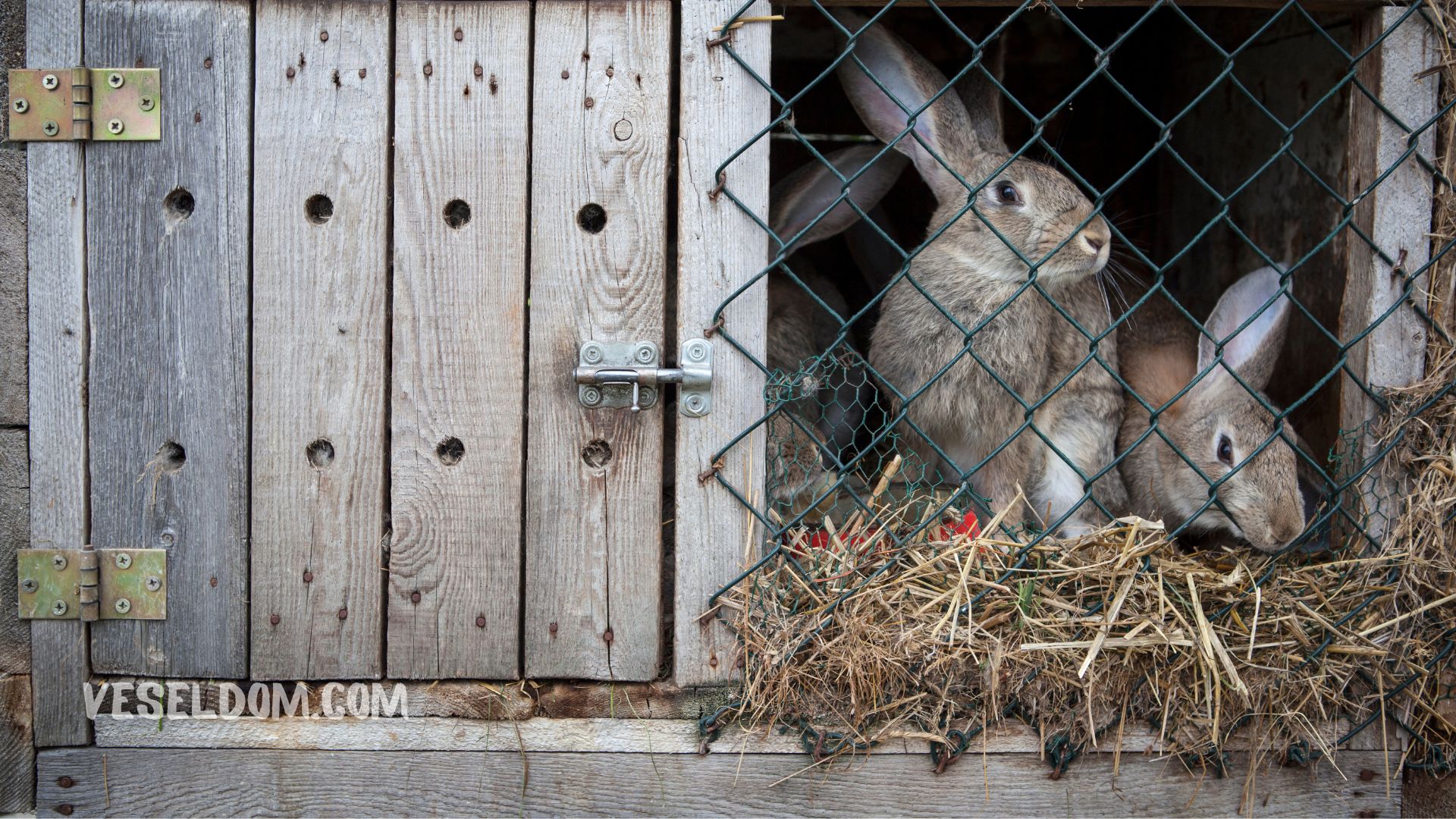
What to do so that the pet lives for a long time
For decorative rabbits to live a long life, it is worth:
- take care of rational and high-quality nutrition;
- control that there is always fresh water in the drinking bowls;
- timely vaccination and treat animals;
- to castrate individuals that will not be used as producers of offspring;
- protect rabbits from possible injury.
- to ensure that the cage and equipment are kept clean;
- carry out periodic disinfection of rabbit houses;
- set a daily schedule for the pet;
- pay a lot of attention to games with the rabbit, periodically caress them;
- create a calm and quiet atmosphere in the place where the animal is kept.
Before buying an animal, you need to know its pedigree. After all, knowing what the rabbit’s parents were like, you can protect the pet from inherited health problems in the future.
Advice from experienced rabbit breeders
- Keeping rabbits in pairs helps to increase the lifespan of animals.
- The rabbit’s home should be spacious, clean, comfortable for movement, and equipped with the necessary equipment (feeder, drinker, hay box, toys, and ladders for pets).
- In no case should you take the animal by the ears or bangs, because this can only worsen the already weak health of the eared one.
- You cannot eat raw potatoes, their tops, citrus fruits, milk, and various sweets. The weak stomach and intestines of rabbits cannot withstand such an aggressive load, and failure of their work can lead to death.
- All treatment and preventive manipulations with animals must be carried out under the supervision of a veterinarian.
How long rabbits live depends only on the breeders themselves. There are many reasons why animals live longer or shorter. But all rabbit breeders agree on one thing – by organizing proper care and good housing conditions, you can grow more than one fluffy long-lived.
When buying a rabbit, you should remember that swastika are defenseless creatures that require love and care from us, and we are responsible for their lives.