
The history of the birth of rabbit breeding dates back to the III century BC. e., thanks to the Romans, who discovered wild rabbits on the Iberian Peninsula. At that time, animals were able to cover the meat needs of Roman soldiers. The fame of edible rodents spread quickly. Animals began to be bred in the Mediterranean countries, and later – all over the world. Over time, many varieties of eared ones appeared, from small dwarfs to giants. Let’s consider what breeds of rabbits there are.
We became aware of rabbits in the 11th century when they were bred in households to obtain warm skins. And only at the beginning of the 19th century, meat breeds of eared dogs were imported from Europe, and they began to be grown for meat. Since that time, rabbits have undergone more than one breeding and selection, and farmers managed to obtain animals with excellent indicators. But they became not only a full-fledged source of meat products and fur. People started raising rabbits as good-natured and cute pets.
Basic classification
Purpose of rabbits:
- meat
- Fur
- Combined (skinned)
- Fluffy
By size, they are divided into:
- Big ones
- Average
- Small
- Decorative (dwarf)
According to the length of the fur:
- Normally fur
- Long-haired
- Short-haired
Breeds of industrial rabbits
They started breeding rabbits on an industrial scale 200 years ago. Since that time, large rabbit farms have changed significantly and have taken a worthy place in agriculture. But for such a farming direction to be profitable and bring profit, considerable financial investments and work are required.

A farmer should be a knowledgeable and competent specialist, professionally approaching every aspect of the life of eared livestock, taking into account all the nuances and peculiarities. Rabbit breeders for industrial breeding prefer such breeds as German Giant, Silver Rabbit, Soviet Chinchilla. These species produce a large number of offspring, are precocious, and there is a great demand for their skins and tender dietary meat on the market.
- German giant (Riesen), large, weight – 7-10 kg. There are individuals up to 15 kg. A large output of excellent quality meat.
- Silver rabbit. 4.5 – 6.6 kg. Beautiful meat and beautiful skin.
- Soviet chinchilla. About 5 kg. Quality meat, valuable fur.
Meat and skin breeds of rabbits
Meat-skin varieties of rabbits are grown not only for dietary rabbit meat but also for fur. The weight of adult animals is within 9 kg. Large skins with thick fur are in demand when sewing warm outerwear.
Despite the huge size, the percentage of meat at the output is less than that of pure meat breeds. Animals require careful care, a large amount of feed. Large rabbits reach sexual maturity later (at 7-9 months). Below are presented the most popular breeds of meat and leather.
- White giant. Up to 6.6 kg. It is often used as a basis for the selection of new breeds.
- Gray giant. 7-8 kg. They are distinguished by excellent health.
- Soviet chinchilla. Approximately 7 kg. It is a source not only of meat but also of valuable fur with an edge like that of a chinchilla.
- Dutch. About 3 kg. Variegated skins and aromatic meat are valuable.
- Butterfly. 4-4.5 kg. It is often found in amateur farms. Skins with a unique color are in great demand. The main color is white, and black and brown spots on the neck, ears, nose, and in the center of the back in the shape of a butterfly are distinctive features of the breed.
- Soviet killer. 5-7 kg. Heat-loving species. They have a thick, elastic, elastic and shiny fur coat with increased fluffiness. They are highly valued for the beauty of the hides, but the mixed color reduces their quality.
- Black and brown. They reach 7 kg. They differ in early maturity and original color.
- Viennese blue. 6-7 kg. Quite hardy, quickly get used to changing climatic conditions. The skins are soft and fluffy, and the meat products have a delicate aroma and a very delicate taste. At the moment, they are considered an endangered species.
- Moravian blue rabbit. 5-6 kg. The most beautiful breed in Europe. It is under state protection in the Czech Republic. Undemanding in maintenance, hardy.
- Silver 4.5 – 6.5 kg. They tolerate cold winters well. They are highly valued for their fluffy fur and tasty meat.
- Rex. 3 – 4.5 kg. They have beautiful fur coats, from which original things are sewn. Underdeveloped shortened whiskers or their absence is one of the main features of this species.

Meat breeds
Precocious meat breeds, which are also called “broilers”, are very popular among rabbit breeders. Breeders managed to obtain a large number of such varieties. Breeding of such ears is designed to obtain a quick set of muscle mass.
Meat types of rabbits are classified as medium in size and are considered premature. Rabbits – “broilers” become sexually mature in 3.5-4 months. Most often, the following varieties are bred for meat:
- New Zealand white. 4-5 kg. Not demanding in care, fruitful, early ripening. Skins are rarely used.
- Californian. On average, 5-6 kg. Easily adapt to cool winters. They have a beautiful wool coat, and tasty meat, the net yield of which is one of the highest compared to other breeds.
- Flanders (Belgian giant). Approximately 12 kg. One of the oldest breeds. They differ in gigantic sizes and specific conditions for holding. Quite fastidious in care. However, they take first place in the production of dietary rabbit meat.
- Ram. About 6 kg. They have long-hanging ears and a head that resembles a lamb. They are bred to obtain meat and skin products and as pets (some subspecies).
- Thuringian. No more than 4.5 kg. The main value is tasty and nutritious meat.
Downy breeds
Rabbit fluff is highly valued all over the world. Yarn is spun from it, which makes incredible clothing models for the cool season. Rabbits whose hair cover exceeds 4 cm are considered fluffy. Such rabbits are very profitable to grow for fluff, but not for meat. Rabbits – “furries” are often kept as decorative pets.
It is worth noting that down-breed rabbits give very little milk, so the breeder will have to feed newborn rabbits. When keeping, special attention should be paid to the cleanliness of the cages (so that the animals do not dirty their fur), and constantly comb the ears. The following purebred individuals have such amazing down coverings:
- White down. Approximately 4 kg. The body is covered with light and elastic down, which is collected 0.5-0.7 kg per year.
- Angora’s down jacket. 3-4 kg. They have a rather soft, silky down, similar to the down of the world-famous Angora goats. You can get up to 0.5 fairy fluff per year.
Fur varieties
Fur-eared breeds include those that are famous mainly only for their wool cover. The skins of these rabbits are used in the textile industry. Several breeds are bred solely to obtain fur.
- Veil silver. 4.5 – 4.6 kg. They have a gray coat color with an almost imperceptible dark veil pattern. The silver-gray tone begins to appear after the first molt, and the veil pattern – after the second.
- Gornostaeva Up to 4 kg. They got the name due to the similarity of the color of the wool coat with the color of the ermine. Disease-resistant, easily adaptable to changing conditions, undemanding in food, and multi-fruitful.
The best breeds for breeding
Which rabbits to choose for breeding is an individual question for each farmer.
All breeds of rabbits are interesting and have several advantages. But the problem is not in the breed, but with what responsibility the farmer will approach the breeding of eared dogs. If the future rabbit breeder will understand that in front of him is a living creature that needs care, will competently arrange the animal’s life, and take into account all the nuances and advice of people with breeding experience, then regardless of the variety, he will receive quality products (fur, meat, down).
As practice shows, among the breeds of rabbits, there are often in demand. For example, the Angora breed is more often bred for down, large varieties give large skins, and broiler species are grown for meat.
Rabbit breeders take into account the endurance of the rabbit in the winter period, and choose breeds with high immunity. In the east of the country, where a moderate continental climate prevails, any breeds can be bred. For the cooler Leningrad region, the Gray Giant, Flandre, and White Giant breeds are chosen.

Decorative or dwarf
Decorative animals are animals that live in the house as pets. Dwarf rabbits are purchased for such purposes. These crumbs are neat, constantly licking themselves. They have a calm and friendly characters. The weight of dwarf animals does not exceed 2 kg.
- Gremlin. They look like children’s toys.
- Minor. The smallest of domestic rabbits. They are up to 25 cm long.
- Lion’s head. They got the name because of a specific mane like a real lion.
- Dwarf desire. They like to play, and are sweet and compliant.
- Mini lop. They are famous for their long, soft, velvety woolen coat of different colors.
- Dwarf fox. They rarely reach 1.6 kg in weight. Quickly find contact with family members. They like stroking.
- Dwarf expression. Valiant, hardy, and do not react to loud sounds. They have a friendly characters. They are suitable for children who have not had the experience of communicating with pets.
- Royal pygmy (dwarf rex). The fur is very similar to beaver. They feel good in the house. Benevolent
- Colored dwarf. A short-haired breed of decorative animals. People with allergies prefer them.
- Bald sphinx rabbit. The breed has not yet been approved, as the lack of wool is an abnormal gene mutation and not a specific trait. A positive point – they do not shed. A choice for people with allergies.
For home maintenance
Any dwarf breed is suitable for keeping rabbits in the house. When choosing a pet, they rely on the aesthetic characteristics of animals (appearance). But it is worth remembering that each dwarf breed has its own maintenance requirements. Animals need to provide comfortable living conditions, monitor their health, and constantly walk their pet. But the main rule is that a domestic rabbit must be loved and paid attention to.
In our country, when choosing a rabbit friend, preference is given to dwarf fox rabbits and lion heads. These animals are known for their original appearance and friendly and compliant character. But sphinx rabbits are still rare, but already known among rabbit breeders.
How to choose
First, future rabbit breeders should choose the purpose of breeding rabbits: for meat, skins, fur, and fluff. Next, the founders of the herd are carefully selected. Several aspects that will affect the selection are taken into account:
- Financial and physical capabilities of the breeder, the scale of the future rabbit herd.
- Regional climatic conditions are taken into account.
- Determine the type of keeping animals (indoors, outdoors, in a pit).
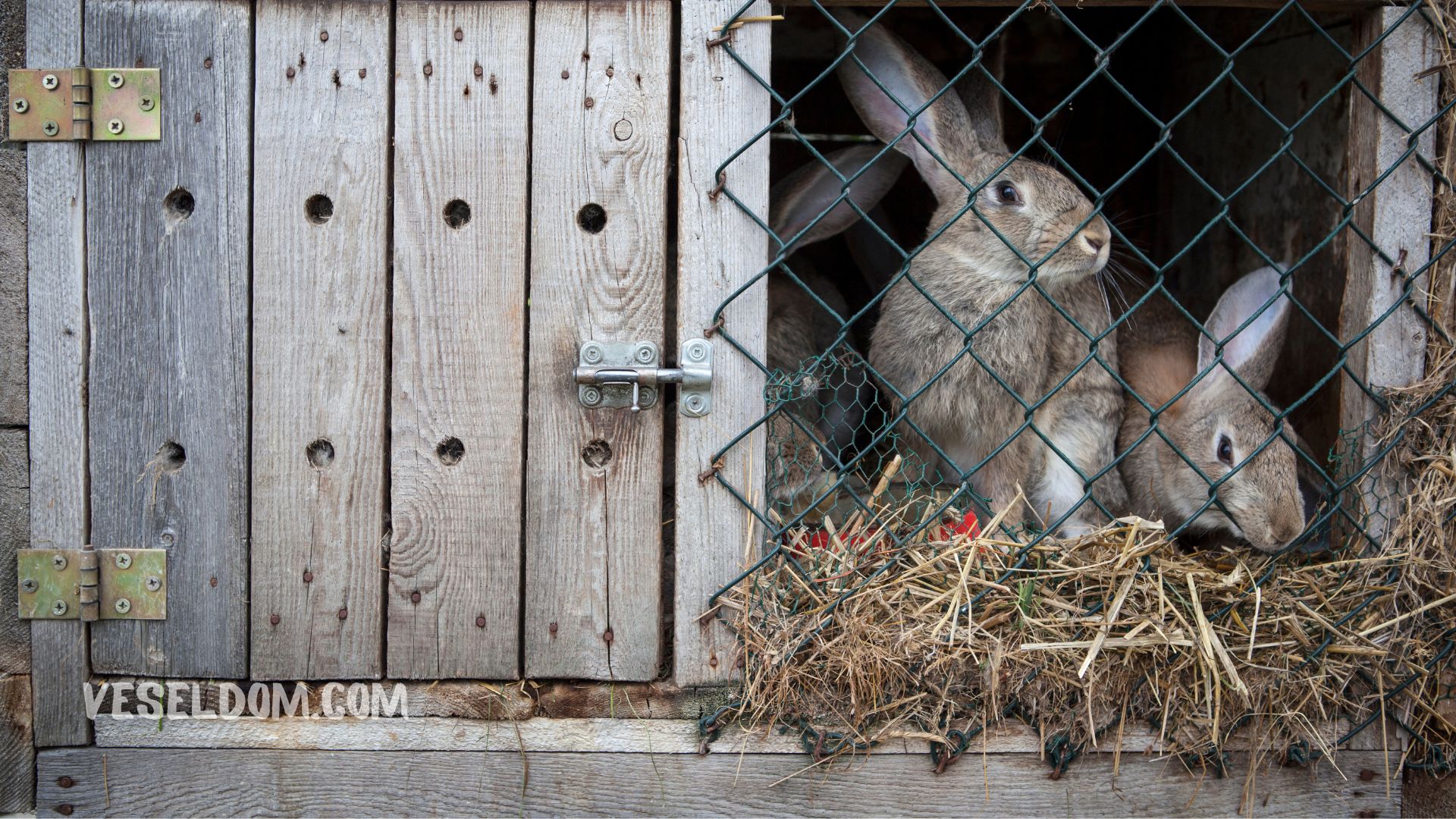
Belonging to a breed does not guarantee that a rabbit will be a quality producer. You need to choose the first founders of the rabbit tribe carefully. After all, the quality of the products of the next generations will depend on them.
It is better to buy purebred-eared dogs in specialized nurseries and breeding rabbit farms. When choosing rabbit founders, it is recommended to pay attention to:
- the presence of breed characteristics according to the approved Standard (curvature of the spine, paws, abnormal bite, and cloudiness in the eyes are not allowed);
- productivity;
- mortality;
- maintenance requirements.
Experienced rabbit breeders recommend first purchasing stable and unpretentious varieties: Ram, Butterfly or Silver. In the process of cultivation, each breeder will understand which species is more profitable and easier to work with, and will gradually be able to choose a suitable breed.
As you can see, choosing a breed of rabbits is not an easy task. But you should approach it with responsibility. A correctly made choice will bring profit to the breeders, and the desire to develop and expand production volumes.