
The month of May is at the crossroads of spring and summer, so it is not surprising that the regular garden work that all farmers should do in this month is so diverse. During this period, the frosts are already over, and it is necessary to start preparing the plants for summer. This includes processing and pruning trees, fertilizing and propagating shrubs, preparing the garden and planting the main crops, and we must not forget about the lawn and ponds that you may have in your yard. Let’s analyze the order of work in the vegetable garden in the spring period.
Trees and shrubs
Carry out processing of trees and shrubs
Chemical insecticides are not recommended when approaching flowering, as they can poison pollinating insects. Instead, to protect against pests and diseases in May, it is recommended to use bioinsecticides, such as Lepidocide, or folk remedies, for example, infusion of bulbs or citrus peels. They are safe for pollinating insects, but effectively fight pests and diseases.
Bioinsecticides are safe for pollinating insects and help control pests that can harm plants. Lepidocide is one of the options of bioinsecticides that can be used. To prepare an infusion from citrus bulbs or peels, they can be poured with hot water and infused for several hours. The resulting infusion can be sprayed on plants, paying special attention to the lower and upper sides of the leaves.
It is important to take into account the natural reproduction processes and the ecosystem of the garden or vegetable garden, maintaining a balance between protecting plants from pests and preserving the pollinating insects necessary for pollination.
Mulch around the trunk circles
In May, it is recommended to apply a thick layer of mulch to the trunk circles of trees and shrubs. You can use sawdust or straw mulch. This will help protect the plants from possible frosts and preserve moisture in the soil after the first watering. In addition, mulch will create a barrier for the growth of weeds.
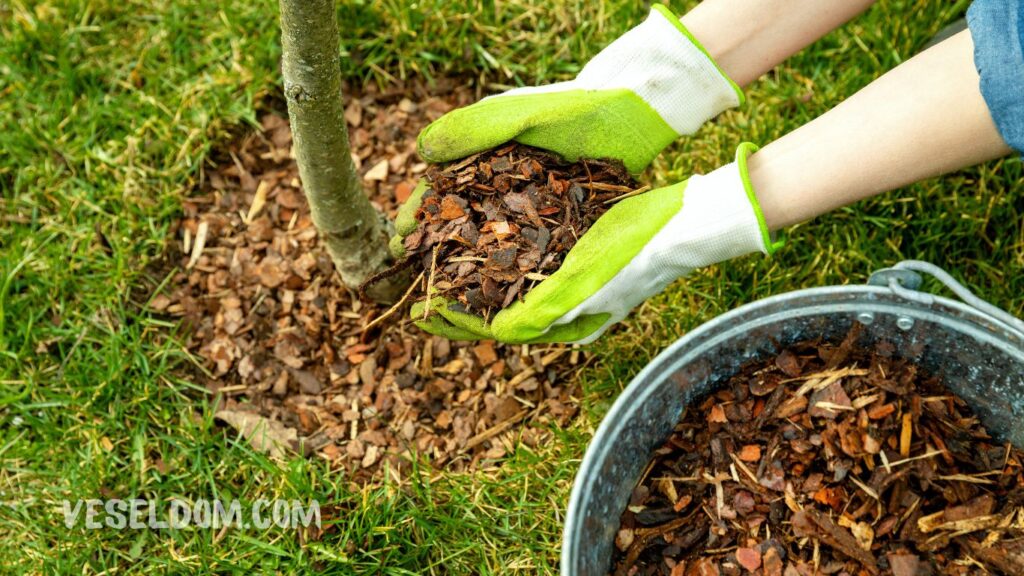
Mulch should be distributed in an even layer along the trunk circles around the trunks of the plants, keeping a distance from the trunk. This will help to avoid problems related to bark rot. Periodically, it is necessary to lightly loosen the mulch so that it does not form a dense layer, but remains breathable and allows water to reach the root zone of the plants.
Thanks to the mulching of the trunk circles, you will create favorable conditions for the growth and development of plants, as well as reduce competition with weeds, which will contribute to their more successful growth and health.
Feed fruit trees
Before flowering, it is recommended to add a urea-based fertilizer depending on the age of the tree. Here are the recommended doses of urea fertilizer, measured in boxes, for different age groups:
- Trees younger than 12 years old – 1 box of fertilizer;
- Trees aged 12-20 years – 1.5 boxes of fertilizer;
- Trees older than 20 years – 2 boxes of fertilizer.
Urea should be applied a second time in May after flowering. This time, add exactly 1 tablespoon of urea per tree. In addition, you can combine urea with an infusion of bird droppings or mullein, prepared with water in proportions of 1:15.
It is important to follow the recommended doses of fertilizer and the correct use of bird droppings or mullein. This will provide plants with the necessary nutrients for healthy growth and development, as well as contribute to the formation of fruits in the appropriate quantity and quality.
Propagate shrubs by layering
Only the healthiest and most consistently fruitful berry plants should be selected for the propagation of shrubs using layering. If you find a suitable young branch, in May it should be bent to the ground and placed in a shallow trench. After that, the branch can be fixed using a “horned” branch or a staple. Having covered the top of the layer with earth, you only need to wait for the summer, when the branch will grow tiny roots.
It is important to choose a healthy and viable branch for propagation. By bending it to the ground, contact with the soil is ensured, which contributes to the formation of roots. The trench should provide a shallow, but sufficient space for placing the layer. After planting, regular watering and care should be provided to ensure optimal conditions for new root growth.
This method of reproduction is effective and allows you to get new plants from the appropriate genetic point of view of the mother bushes. With the help of layering, you can expand your collection of shrubs and preserve their valuable varieties and properties.
Complete pruning of trees and shrubs
Ideally, pruning should be done before the sap begins to flow, but with particularly problematic plants, such as poorly bearing or constantly sick plants, it is better to prune in May. Experienced gardeners recommend cutting dead and damaged branches to a living bud in May. Before starting pruning, it is important to disinfect the secateurs, and after the cut, treat the wounds with garden decoction.
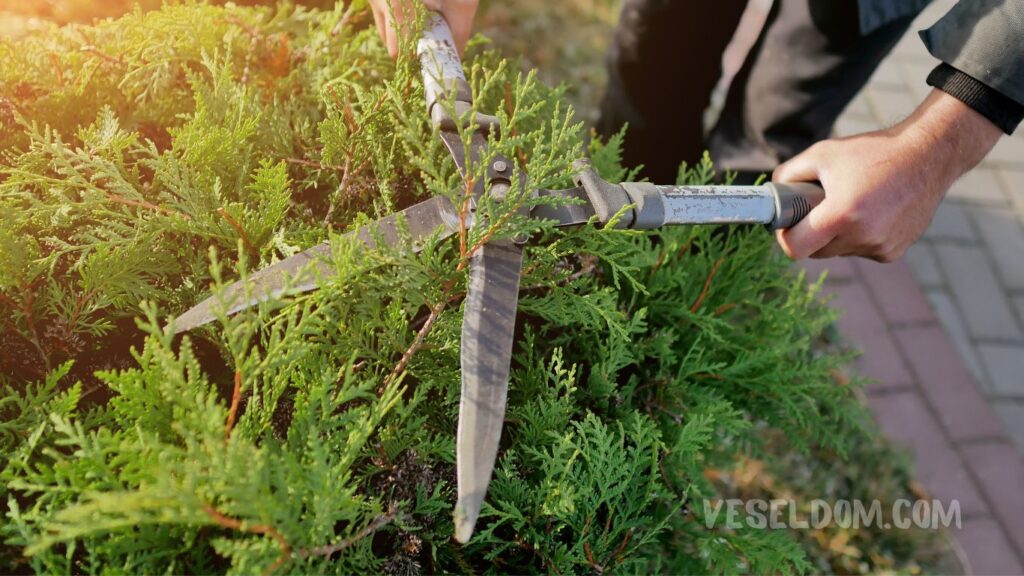
Pruning plants is an important step in caring for them, contributing to their health and the formation of the correct structure. Removing dead and damaged branches helps maintain the overall health of the plant. Pruning to a living bud allows you to stimulate the growth of new shoots and ensures the recovery of the plant.
Before starting work, make sure your pruning shears are clean and disinfected to avoid spreading disease from one plant to another. After cutting, apply garden spray to open wounds to help prevent infection and speed healing.
Pruning in May is an important procedure to ensure the health and well-being of your trees and shrubs. Correctly performed pruning contributes to their healthy growth, fruiting and general aesthetics.
Inoculate fruit crops
During the flowering period, pears and apple trees tolerate grafting well, while grafting of plums, apricots, cherries, plums and cherries is better done before the beginning or on the days of the end of flowering to avoid gumming. It is important to note that active sap movement in May is acceptable only for rootstocks, while cuttings should be at rest. All of May is suitable for applying all methods of vaccination, with the exception of two – “in clefts” and “for measles”, which must be carried out no later than the first week of May.
Grafting is an important method of propagation of fruit crops, which allows combining desired varieties with selected root systems. Pears and apple trees tolerate grafting well during the flowering period, when the plants are actively moving juices. For plums, apricots, cherries, plums, and cherries, it is better to inoculate before or after flowering to avoid a negative impact on the gum development process.
It is important to take into account that for grafting it is necessary to have dormant cuttings, while the rootstock can be active in May. May is the appropriate time for most vaccination methods, with the exception of “in clefts” and “for measles”, which are best done no later than the first week of May.
Grafting of fruit crops is an important stage in horticulture, which allows you to obtain desired varieties and improve yields. Correct grafting contributes to the creation of healthy and productive plants, ensuring the successful transfer of varietal characteristics to new plants.
Garden works
Sow the first greens and cold-resistant vegetables
May is a great time to provide fresh, vitamin-rich seasonal crops on your table. In the first decade of May, you can sow parsley, radish, sorrel, garlic, green peas, leaf lettuce, summer radish, and Beijing cabbage, which are cold-resistant.
It is important to take into account the requirements of each crop regarding the depth of sowing and the distance between plants. Parsley can be sown to a depth of 1-2 cm, radish – 0.5-1 cm, sorrel – 1-2 cm, garlic – 3-4 cm. It is better to sow green peas to a depth of 3-4 cm, lettuce – 0.5 -1 cm, summer radish – 1-2 cm, and Beijing cabbage – 0.5-1 cm.
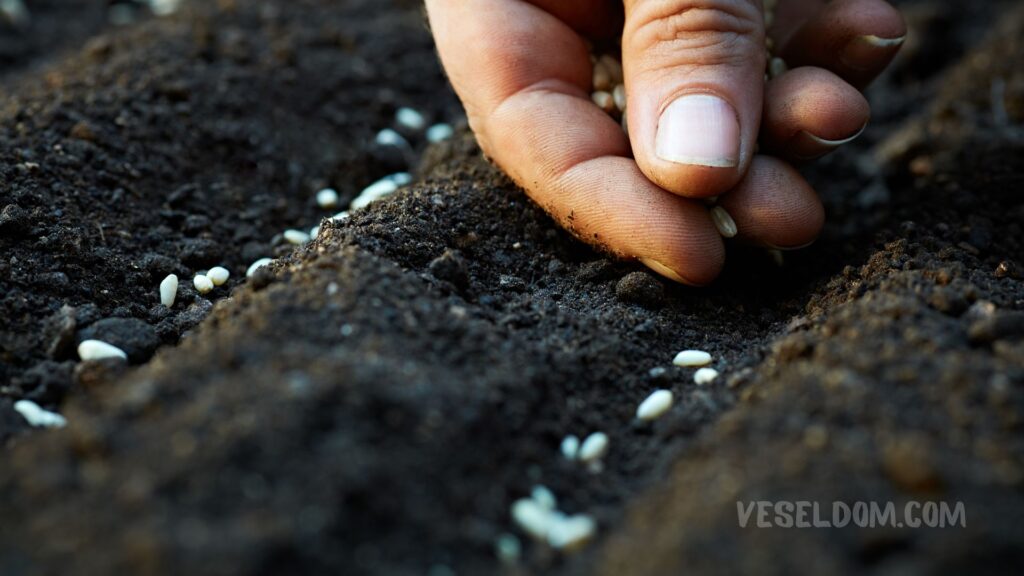
For the successful growth and development of vegetables, it is important to provide them with sufficient moisture and proper lighting. Regular watering will help ensure optimal moisture in the soil, and if necessary, you can protect the plants from temperature changes and the negative impact of weather conditions with the help of a film or a greenhouse.
Providing your farm with fresh vegetables, sowing the first greens and cold-resistant crops in May, you will receive valuable vitamins and enjoy your home harvest greens.
Protect plants from frost
In May, if there is a stationary irrigation system on the site, it should be turned on a few hours before the expected negative cooling. This will help the evaporation of moisture from the ground to warm the air a little, which will protect the root system of plants. In addition, it is recommended to use covering breathable materials to protect plants from frost. They can be applied even in areas where there are resistant zoned varieties.
In addition to watering and sheltering, there is another way to protect plants – the use of smoke stacks. They can be made from burnt leaves, brush, branches and straw, mixed with a small amount of earth and burned. The slow-burning smoke generates heat that warms the air and soil, thereby providing protection against low temperatures.
It is worth remembering that when using smoke stacks and fire, it is necessary to observe the necessary safety measures and regulate them in accordance with the rules. These plant protection methods can be useful, especially for young seedlings and flowering plants, to prevent possible frosts in May.
Remove siderates for digging
Siderates are green fertilizers that are grown to restore soil fertility by enriching it with nitrogen and organic material. As soon as the snow melts and the ground thaws in the open ground, or 1.5 months before transplanting the seedlings in the greenhouse, you can sow the following types of siderata:
- Lupine;
- Mustard;
- Buckwheat;
- Oat;
- Phacelia;
- Pea.
1-2 weeks before the planned planting of seeds or seedlings, the ground should be dug up, adding siderates. This process allows you to lay plant mass in the soil. Such a green “privet” is especially useful for eggplants, tomatoes, cucumbers, potatoes, beets, bitter and sweet peppers.
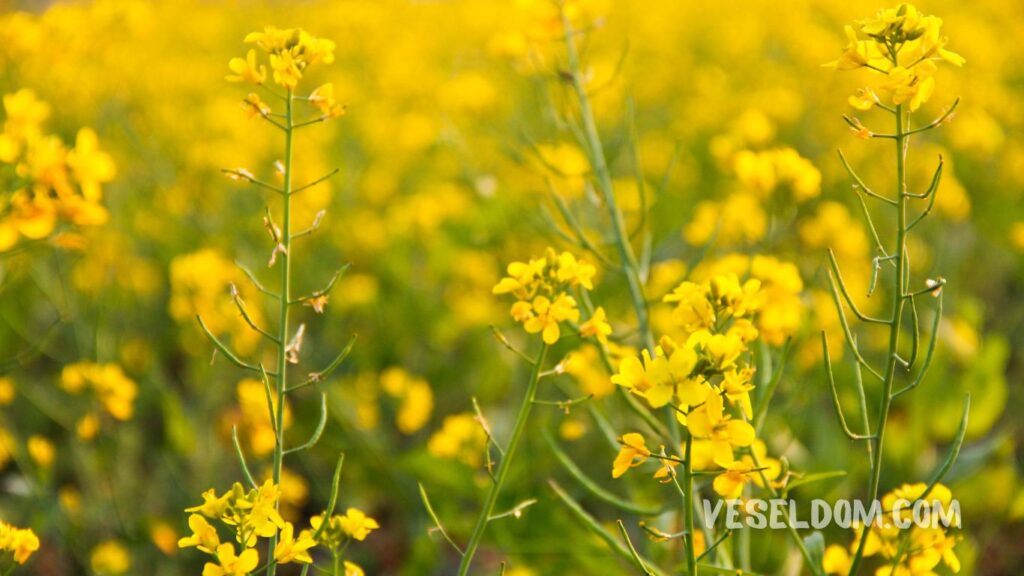
Siderates not only enrich the soil with nutrients, but also improve its structure, increase water permeability and the ability to retain moisture. After digging up the siderates, disintegrating, they become an organic substance that nourishes plants and helps increase productivity.
Thus, cleaning siderates for digging is an important stage in preparing the soil for gardening and growing vegetables, providing healthy and nutritious soil for plants.
Plant potatoes
It is recommended to plant early varieties of potatoes in the first half of May, but it is important to choose a period when the soil and air have warmed up sufficiently. Good guidelines for determining the optimal planting time are the blooming of leaves on birch trees and the flowering of cherry trees. Potatoes of late varieties are recommended to be planted closer to the end of May.
Factors such as soil temperature and the threat of frost should be taken into account before planting potatoes. Potatoes grow better and produce higher yields when the soil is warmed to a certain temperature, which allows for faster germination. If possible, it is worth waiting until the soil warms up to about 10-12 degrees Celsius to ensure successful planting of potatoes.
Regional features and recommendations of variety catalogs for a certain climate zone should also be taken into account. Some early varieties of potatoes may be less sensitive to frost and grow faster in cool conditions, while late varieties require more favorable conditions for growth and development.
Choosing the right time to plant potatoes will help to ensure their successful germination and harvest a good harvest. Taking into account climate factors and recommendations for a specific region, you will create optimal conditions for the growth and development of potatoes in your garden.
Attract pollinators to strawberries
Garden strawberries are not saturated with nectar, which attracts bees to their flowers, as is the case with ordinary flower beds and fruit trees. However, in order to guarantee a good harvest of berries, it is important to attract pollinators to strawberries. In May, it is recommended to periodically spray the strawberry beds with a sweet solution composed of 400 g of sugar per 1 liter of water.
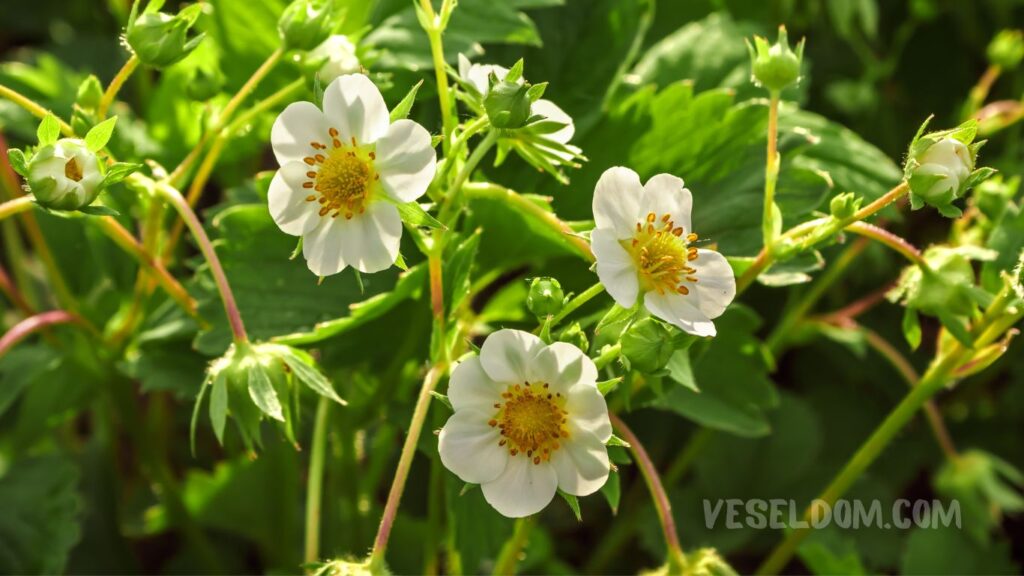
This sugar-containing solution will attract bees and other pollinating insects to the strawberry flowers, helping pollination and fruit formation. Strawberries require the transfer of pollen from one flower to another to form berries, and this process is facilitated by pollinators.
Spraying with a sweet sugar solution can be done regularly during the flowering of strawberries, especially on sunny days when bees and other pollinators are active. This will help attract bees to strawberry flowers and ensure optimal pollination, which will contribute to the formation of rich and tasty berries.
Properly attracting pollinators to strawberries in May is an important step in ensuring a good harvest of delicious berries. Pollination of strawberries will help ensure improved yield and fruit quality, which will lead to satisfaction from your strawberry garden.
Sow annuals
Many home gardeners already have enough to worry about when planting vegetables, but luckily, in May, you can sow many colorful annuals directly into the open ground. Adding flowers to your garden will create bright accents and an inviting atmosphere. Here are some species that can be sown in May:
- Calendula;
- Nemophila;
- Agrostemma;
- Linen;
- Hypsophila;
- Bidens;
- Nasturtium;
- Dimorphoteka;
- Viskarya;
- Daisy;
- Coreopsis;
- Chrysanthemum.
Before sowing, it is recommended to prepare the soil by loosening and applying organic fertilizer. Details on planting depth and seed spacing can be found on the seed packet or in the instructions for each plant species.
Annual plants provide a wonderful color accent and joyful mood in the garden. They also attract beneficial insects that contribute to pollination and pest control. Sowing annual flowers in May will add beauty and variety to your garden, creating an attractive place to enjoy and relax.
The territory of the yard
Plant plants that strengthen the banks of reservoirs
Erosion of the coastal soil can damage the edge of the reservoir, depriving it of its decorative appearance, contribute to siltation and create danger. This problem does not threaten small artificial lakes, where the bottom and walls are protected by special materials. However, if you have natural aquatic beauty on your property, May is the best time to do the following:
- Plant aquatic plants such as water irises and reeds in the underwater area. They strengthen the banks of the reservoir, creating a root system that holds the soil and prevents its erosion.
- Place grassy species on the shore, such as cattail, mannik, marsh iris, and sedge. These plants have a powerful root system that holds the soil and stabilizes the shoreline.
- Plant trees and shrubs with strong root systems on dry land, such as larch, sea buckthorn, amphora, willow, black poplar and alder. These plants help retain soil on the shore and strengthen the coastal zone.
It is important to emphasize that planting these plants does not lead to the appearance of insects and pests on the site, as is often believed. On the contrary, they help create a sustainable ecosystem and provide a habitat for beneficial insects and other organisms that contribute to the health of the ecosystem.
Proper planting of plants that strengthen the banks of the reservoir will help preserve their beauty and prevent soil erosion. You will get not only an attractive natural environment, but also a functional protection of your reservoir from erosion.
Plant perennials
Most modern varieties of flower crops, especially hybrid varieties, take root best when they are planted as early as possible in the spring. Therefore, May is a great time for planting such perennial plants as daylilies, phloxes, primroses, delphiniums and chrysanthemums.
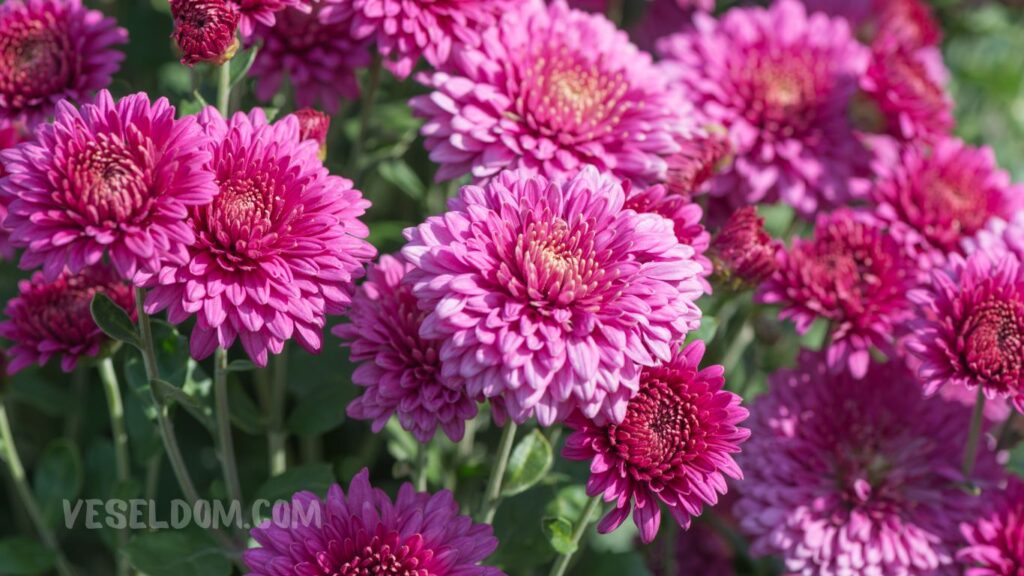
Before planting, you should prepare the soil by digging it up and adding compost or other organic fertilizer. Individual plants can be planted in groups or create mixed borders with several species, following the recommendations for placement and distances between them.
When planting, the following steps should be followed:
- Make holes in the soil of sufficient depth and width for the root system of the plant.
- Place the plant in the hole so that the roots are evenly distributed and do not bend.
- Fill the hole with soil, lightly compressing it, but not loading it too much.
- Water the plant to fix the soil around the roots.
Remember about regular watering and plant care after planting. Providing moisture and good drainage are important factors for successful establishment of perennial plants.
Planting perennials in May will allow them to bloom faster and bring beauty to your garden. Remember to choose the right varieties for your region and consider their light, soil and moisture requirements for best results.
Tidy up the lawn
May is the time when the lawn looks silky, green and flawless. In order to preserve its decorative appearance throughout the season, several mandatory care procedures must be performed this month. Here are some tips:
- Mowing: Regular mowing helps keep the lawn tidy. Adjust the lawnmower to the optimal cutting height, which depends on the type of lawn. It is generally recommended to keep the lawn height at 5-8 cm for most types of lawn.
- Soil puncture: Aeration of the lawn will help improve the penetration of air, water and nutrients to the root zone of the lawn. Use a fork with long tines or a special aeration tool to make holes in the soil about 10-15 cm deep.
- Fertilizers: Applying fertilizers in May will promote healthy lawn growth. Use special lawn fertilizers that contain the necessary macro- and microelements. Follow the directions for dosage and use.
- Spot Repair: When you find cuts or bare spots in your lawn, follow the repair procedure. Sow or plant new grass in these areas and ensure adequate moisture.
An additional tip is to keep checklists for gardening work for any month, including May. This will help you plan and organize work on the site. Specify the priority tasks, the necessary inventory and tools that you will need to perform the work.
By following these tips and performing the necessary maintenance procedures, you will maintain the beauty of your lawn throughout the season.