
Growing turkeys is an interesting and important branch of poultry farming, which has always attracted the attention of those who dream of high-quality meat and valuable eggs. These are special birds that can become not only a great addition to your farm, but also a valuable source of food for your family or even a subject of commercial cultivation. Turkeys are distinguished not only by tasty meat and healthy eggs, but also by interesting nature, social customs and unique appearance. Breeding turkeys requires some knowledge and skills, but with the right steps and diligent care, you can ensure their health and comfort, and yourself – an excellent addition to your farm business or table, always relying on fresh meat and eggs on your table. In this article, we will cover the basics of turkey breeding, including determining the sex of the birds, selecting the right pair, and the process of incubating eggs.
We will provide you with specific tips and information to help you become a successful turkey breeder and achieve high results in raising these beautiful birds.
Determining the sex of a turkey
The first and very important step in breeding turkeys is determining the sex of each bird. This not only helps to select the right pair for future breeding, but can also affect the health and productivity of your poultry farm. There are several methods for determining the sex of turkeys:
- Vocal differences: Observing the vocal calls of turkeys can provide important clues as to their sex. Usually, males have a louder and deeper voice, while females produce more subtle and trembling sounds.
- Size and shape of comb and warts: A turkey’s comb is the soft tissue on its head. Males have a larger crest and sometimes a brighter color than females. The warts found on a turkey’s neck can also be useful indicators of sex. Usually, males have larger and more visible warts.
- Physical features of wings and feathers: Males may have some differences in wing and feather structure, such as additional feather quills. However, this sexing method can be less accurate and requires observational expertise.
In some cases, when other methods do not help, molecular diagnostic methods such as DNA testing can be used. This allows you to accurately determine the gender of the turkey, but can be a costly and time-consuming process.

It is important to keep in mind that determining the sex of a turkey can be an important task, and it is not always easy. The fidelity of the methods can vary, and it is best to combine several approaches for a more accurate result. Accurate knowledge of the gender of turkeys will help you further determine the optimal selection of couples and ensure effective breeding.
Choosing the right pair
The correct selection of a pair of turkeys is a key step in the breeding process, and it determines the quality and yield of the offspring. Such a responsible approach guarantees that your poultry farm will constantly improve and provide quality meat and valuable eggs. When choosing a pair of turkeys, the following factors should be taken into account:
- Considering the genetics of turkeys:
Genetics play a decisive role in determining the quality of offspring. Evaluating the genetic characteristics of turkeys before they are mated helps ensure that the offspring will have high performance records and no genetic abnormalities. It is necessary to study the pedigrees of birds and take into account such parameters as weight, size, growth rate and meat quality.
- Assessment of physical parameters to increase productivity:
The correct selection of a pair also includes an assessment of the physical parameters of turkeys. Ensuring that the pair is of similar size and structure promotes fertility and healthy offspring. Birds with similar parameters take care of their offspring more easily and provide them with optimal conditions for growth.
- The importance of bird health when choosing a pair:
The health of turkeys is a key aspect of raising healthy offspring. Before selecting a pair, it is important to make sure that both birds are free of diseases and parasites. Healthy birds have a better chance of breeding successfully and passing on strong genetic characteristics to their offspring.
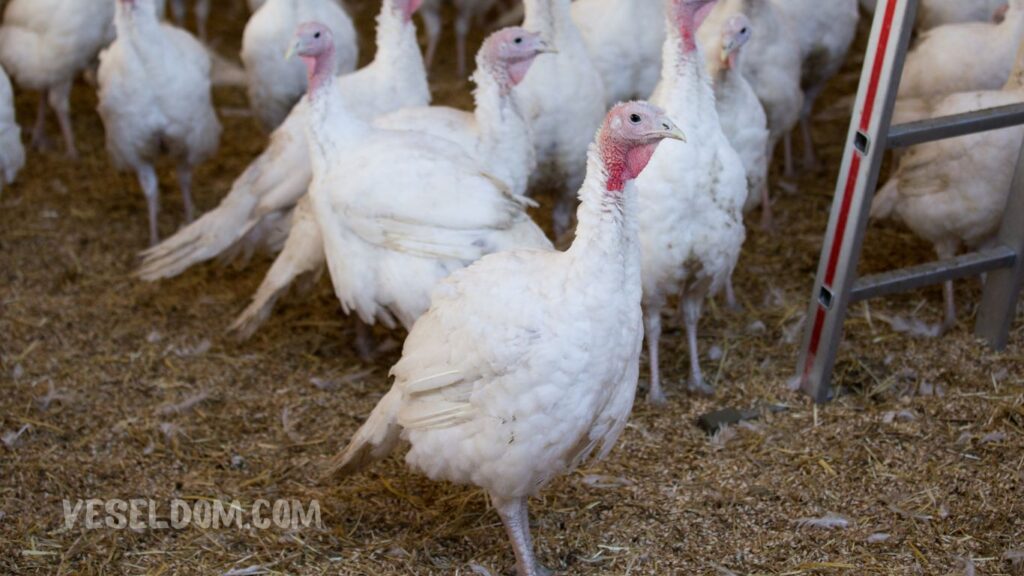
Remember that choosing the right pair of turkeys is a complex process that requires caution and knowledge. Before determining a pair, be sure to do an examination and assessment of all factors that can affect the quality of the offspring. The right couple ensures successful breeding of turkeys and a positive contribution to your farm.
Incubation of eggs
Incubation is one of the key stages in the breeding of turkeys, and it plays a crucial role in ensuring the successful hatching of chicks. The incubation process requires specialized equipment and attention, and getting this step right will ensure you have healthy, viable offspring. The main aspects of incubation include the following points:
- Choosing the right incubator:
Choosing an incubator is the first and one of the most important steps in the incubation process. The incubator must be reliable, accurate and provide stable temperature and humidity indicators. Incubators with automatic adjustment of these parameters are usually used for turkeys.
- Temperature and humidity for incubation:
Correct temperature and humidity parameters are critical for successful incubation and hatching of chicks. Typically, the temperature for turkeys during incubation is around 37.5°C and humidity should be maintained at around 55-60%. It is important to carefully monitor these parameters throughout the incubation period.
- Incubation period and careful care:
The incubation period for turkeys is usually about 28 days. During this period, it is important to ensure constant supervision of the incubator and eggs. Check the condition of the eggs regularly, remove damaged or premature ones, and monitor the health of the chicks during hatching.
During incubation, it should be remembered that this is an important stage, and all recommendations and steps must be followed to achieve successful results. Incubation done correctly will ensure you have strong and healthy turkeys and will be an important step towards achieving your turkey breeding goals.
Feeding and caring for turkeys
After the chicks are hatched, it’s time to feed them and take good care of them so that they grow up healthy and strong. Basic aspects of feeding and caring for turkeys include:
- Choosing the right feed for turkeys:
Feeding turkeys includes providing the diet with the appropriate composition and nutritional value. It is important to ensure sufficient access to water and provide them with a diet that meets the needs of different stages of development. Usually, for young turkeys, specialized feed is used, which contains all the necessary trace elements and proteins for proper growth. We will discuss the nutrition of turkeys and turkeys in the following articles.

- Ensuring comfort and hygiene:
Providing comfortable conditions for turkeys is very important for their health and growth. The house where the turkeys are kept should be clean and well ventilated. Additionally, turkeys must have free access to water and be protected from hazards that may arise on the farm, such as predators or aggressive birds.
- Disease prevention and veterinary care:
Regular veterinary care and timely disease prevention are essential to ensure the health of your flock of turkeys. Vaccination and compliance with hygiene standards will help prevent diseases and keep your birds in good condition.
Remember that caring for turkeys is a responsible business and requires constant attention and care. Choosing the right feed, cozy housing conditions and veterinary care will help you ensure the health and harmonious development of your turkey flock, which in turn will lead to high productivity and quality products on your farm.
Conclusion
Raising turkeys is an important and exciting business that can lead to high productivity and quality products such as meat and eggs. Correct determination of the sex of the birds, competent selection of the couple, careful incubation of eggs and care of turkeys – all these aspects are important in the breeding process.
It is important to take into account the genetic characteristics of birds when selecting a pair, to monitor physical parameters that affect productivity, and to observe optimal conditions for keeping turkeys. Disease prevention and systematic veterinary care guarantee the health of your herd and the quality of products.
Research and skill are important to successfully raising turkeys, but following the right approaches and always considering the welfare and needs of your feathered friends will lead to satisfaction and high results on your farm.
Sources:
- “Raising Turkeys” – University of California Agriculture and Natural Resources.
- “Turkey Production: Breeding and Selection” – The University of Georgia Cooperative Extension.
- “Turkey Management and Production” – North Carolina State University Cooperative Extension.
- “Turkey Management” – University of Florida IFAS Extension.
- “The American Livestock Breeds Conservancy” – https://livestockconservancy.org .
These sources will provide additional information and advice on raising and caring for turkeys.