
Spring is a wonderful time for gardeners, but it is also a difficult period. With the arrival of heat and the flowering of nature, our vegetable gardens and gardens also require special attention. Before us is the task of preparing the soil for sowing, taking care of trees and shrubs, as well as feeding plants weakened by winter so that they please us with their lush greens and abundant fruits. One of the tasks facing farmers is spring fertilization. We will talk about this in the article.
Remembering the proverb that “a spring day feeds a year”, we really need to hurry up and act wisely. However, as in any business, spring fertilizing has its own characteristics, and it is not uncommon for beginners in gardening to make certain mistakes that can lead to undesirable consequences.
The rational use of mineral and organic fertilizers in the soil is based on complex physiological processes that occur in garden crops, and also depends on the characteristics of the soil itself. Therefore, it is very important to avoid common mistakes that can spoil our labor efforts and play evil pranks on us.
Soil features are not taken into account
When choosing fertilizers, it is necessary to take into account the characteristics of the soil.
In the spring, when our gardens and vegetable gardens come to life after winter rest, there is a need for proper plant nutrition. However, novice gardeners often do not know the characteristics of the soil of their area, and this is of crucial importance when choosing fertilizers and the method of their application.
The mechanical composition, acidity and moisture of the soil – all this affects the health and development of plants. For example, the lack of mineral substances is particularly acute on sandy soils. Therefore, it is important to carry out top dressing in the spring, since autumn top dressing can easily be washed away by meltwater.
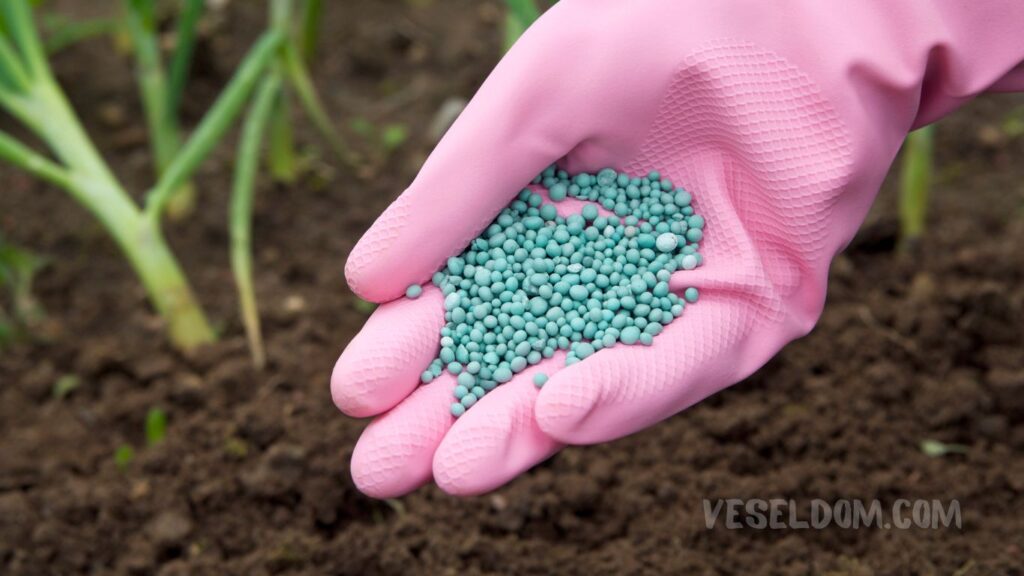
On the other hand, heavy soils with a high content of loam require a special approach. Here, organic fertilizers such as humus, rotted manure or shredded straw will be a great option. They will provide not only the necessary nutrients for plants, but also improve the structure of the soil, make it more fertile.
Thus, before applying fertilizers to the soil, be sure to familiarize yourself with the features of your site. Fertilize with understanding and according to the needs of the plants, then you can enjoy a colorful and lush harvest, and your garden or vegetable garden will flourish and delight you all season long.
Non-observance of deadlines for submission
Timely application of fertilizers: the key to successful plant growth.
One of the key mistakes that gardeners often make is not meeting the deadlines when applying fertilizers. Applying too early or too late can lead to unnecessary losses of valuable elements from the soil, which will negatively affect the health and growth of plants.
Some gardeners are sure that spreading dry mineral fertilizer on the surface of the snow is an effective method. In fact, this approach may only be useful for tree trunk circles where the branches reach the surface of the snow. In other cases, this method is ineffective and may lead to unnecessary losses of fertilizers. Therefore, it is worth choosing other methods of applying fertilizers that will ensure their delivery directly to the root zone of plants.
In early spring, garden crops are especially in need of nitrogen, as it is this element that contributes to the active growth of young plants. Therefore, it is important to apply nitrogen fertilizers in time to start the mechanism of plant growth and development. Late application of nitrogen fertilizers can slow down the processes of fruit formation and threaten the harvest.
As for phosphorus fertilizers, it is most appropriate to apply them during autumn feeding or in the first summer months. Phosphorus contributes to the development of the root system and the strengthening of plants, which is especially important in the early stages of growth.
Therefore, careful observance of the deadlines for applying fertilizers is one of the important factors for the successful growth and development of plants. By taking into account the needs of our crops and timely fertilizing, we will be able to enjoy healthy, strong plants and a bountiful harvest in our garden or vegetable garden.
Wrong choice of weather conditions
Fertilizing plants is an important stage in the care of a garden or vegetable garden, and the right choice of weather conditions can significantly affect its effectiveness.
If you use dry fertilizers, it is important to remember the need to provide moist soil for their optimal effect. Before applying fertilizer, it is recommended to spill the land or carry out fertilizing during rainy weather. Applying dry fertilizers to dry soil can lead to a loss of both time and nutrients, because without moisture, plants will not be able to absorb fertilizers effectively.
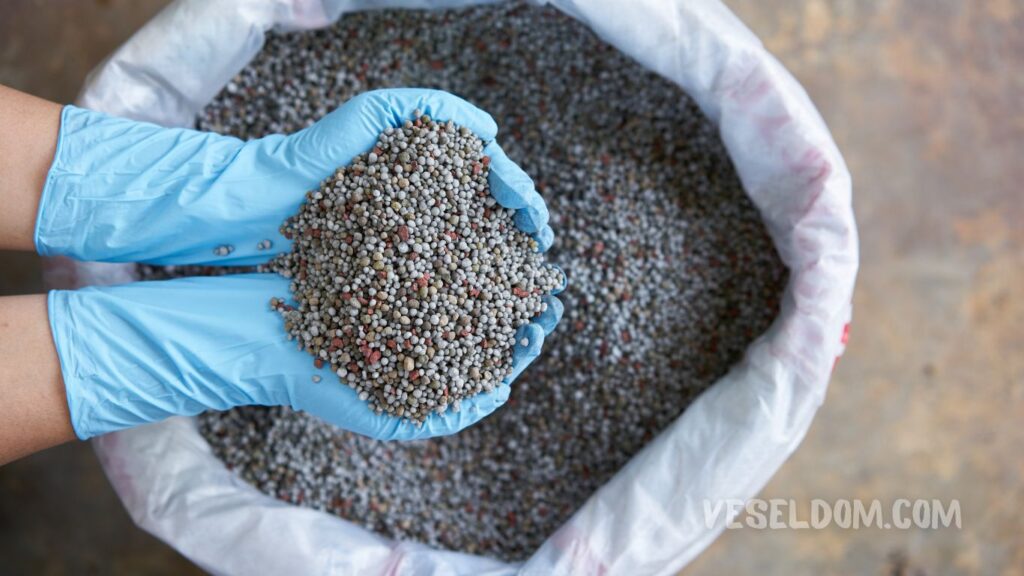
Also, the best time for feeding is the evening time. During cool evenings, plants absorb nutrients more actively, which promotes their health and growth. In addition, in the evening, the sun’s rays become less intense, which reduces the risk of damage to the leaves after feeding.
At the same time, it is worth noting that sometimes plants may need urgent feeding, especially if their condition has significantly deteriorated. In such cases, it is necessary to act promptly, regardless of weather conditions. Taking into account all these aspects and remembering the individual needs of plants, we will be able to provide optimal feeding that will allow our plants to flourish and delight us with a healthy harvest.
Incorrectly selected composition of fertilizers
Correct selection of fertilizer composition is the key to successful plant growth.
Many people already know about three important “whales” – macroelements that play a huge role in the life of plants from the school botany course. Nitrogen, phosphorus and potassium are the main elements that ensure healthy growth and development of plants, as well as crop formation. However, incorrect selection of fertilizers and their uncontrolled simultaneous use can lead to problems.
Newbies in the country business, trying to ensure the best growth for their plants, sometimes direct all their efforts to applying nitrogen, phosphorus and potassium at the same time. However, this approach can inhibit the assimilation of nutrients by plants. Too high a concentration of some elements can affect the assimilation of others, thereby preventing plants from taking the necessary nutrients from the soil.
Also, it is important to pay attention to the compatibility of fertilizers with each other. Some preparations can interact with others, which can lead to a loss of effectiveness of fertilizers or even cause unwanted chemical reactions.
Before using any fertilizers, you should carefully familiarize yourself with their composition, properties and manufacturer’s recommendations. Developing an individual feeding plan for each type of plant will help achieve the best results and ensure a healthy and productive garden or vegetable garden.
Deficiency of trace elements
Healthy seedlings and plants are the key to a colorful and lush garden or vegetable garden. However, when we encounter problems such as spots on the leaves, inferior flowers or a general appearance of sickness, the frequent cause is insufficient supply of the plants with the necessary trace elements.
Micronutrients are small but extremely important chemical elements that plants need in small amounts for their health and normal functioning. These are, in particular, iron, zinc, copper, manganese, molybdenum and many others.
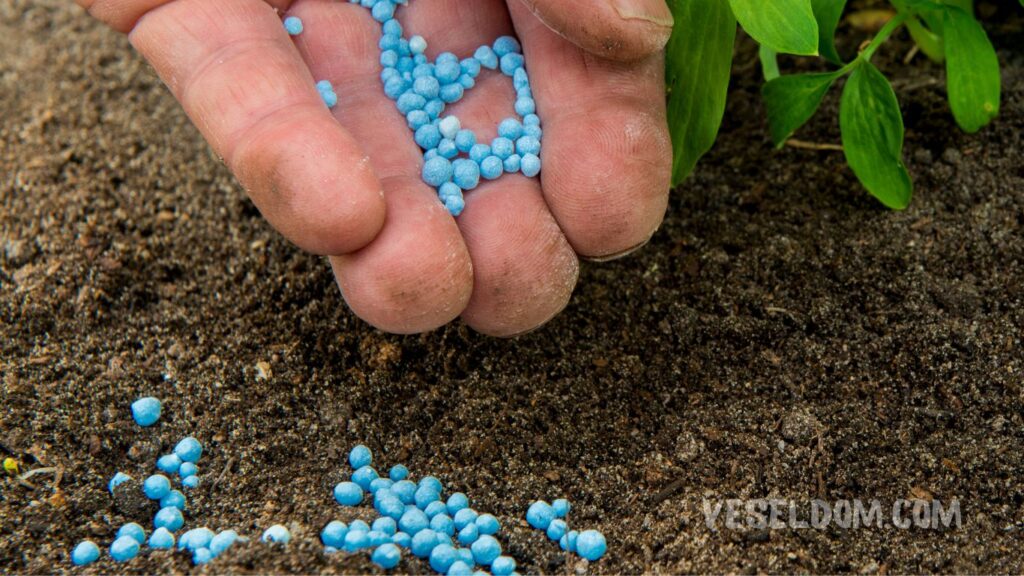
Problems with trace elements may arise due to soil characteristics or an imbalance in the composition of top dressing. Some soils may be poor in certain micronutrients, leading to plant deficiencies. Also, the use of insufficiently diverse fertilizers may not provide plants with all the necessary trace elements.
To provide the plants with everything they need, special preparations rich in various trace elements come to the rescue. One of such simple and affordable sources is wood ash. It contains a variety of trace elements that will help plants maintain optimal condition and development.
It is important to pay attention to micronutrients and properly balance feeding so that plants can reveal their full potential, giving us a colorful and abundant harvest.
Incorrectly calculated dosage
It is important to carefully calculate the dosage of fertilizers for our plants, because both an excess and a deficiency of nutrients can negatively affect their health and development. An overdose can lead to burns of plants, excessive growth of vegetative mass without the formation of flowers and fruits, and sometimes even to delayed development and death of plants. On the other hand, a lack of nutrients will lead to exhaustion of plants, weak formation of flowers and smaller fruits.
Scales are usually used for accurate dosing of fertilizers. However, if you don’t have a scale handy, you can use simpler methods. For example, to roughly measure the amount of fertilizer, you can use matchboxes, which usually contain about 18-25 grams of fertilizer. Using such boxes, you can get close to the desired dose.
However, it is better to use scales or precise measuring vessels, especially when using large volumes of fertilizers. Thus, we will be able to follow the recommended dosage exactly and provide the plants with optimal conditions for healthy growth and development. The correct dosage of fertilizers is a guarantee of successful cultivation of a colorful and abundant harvest in our garden or vegetable garden.
Using last year’s stocks
Thrifty homeowners often save fertilizer left over from last season. This is understandable, and if fertilizers have been properly stored, then their use is a very reasonable practice. However, it is important to remember some nuances to avoid possible problems.
Fertilizers should be checked before use, especially if they have been stored for a long time. Preparations that have come off, clumped or been exposed to moisture may lose quality and effectiveness. In this case, it is better to use them in the form of aqueous solutions, having prepared the necessary concentration.
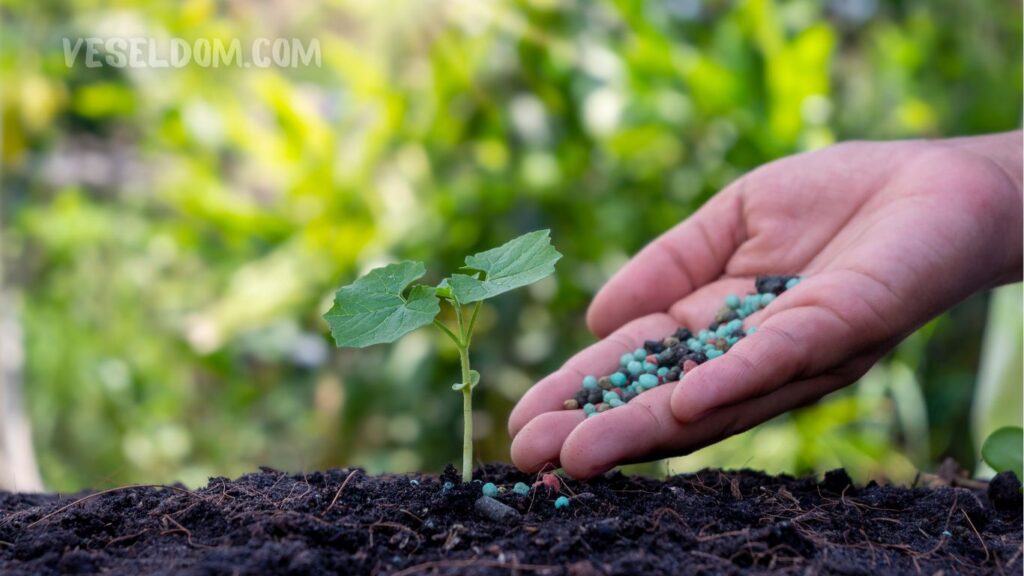
Nitrogen fertilizers, which are stored in dry form, require special attention. If they have accumulated, you can grind them before use to ensure an even distribution in the soil.
Also, it is recommended to monitor the expiration dates of fertilizers. If the drugs are about to expire, it is better to use them in the near future to avoid unnecessary problems.
Taking into account these tips, we will be able to use last year’s fertilizers wisely and provide the plants with everything they need for healthy growth and development. Efficient use of resources will help save money and provide our garden or vegetable garden with a lush and colorful appearance.
Agrotechnics of fertilizer application is a difficult task that comes with experience. Properly organized spring fertilizing will be a guarantee of plant resistance to pests and weather conditions and will definitely affect the future harvest.