
Beginner gardeners are interested in how to treat plums against aphids and how dangerous this pest is. There are many types of aphids, among which plums are most often affected by the plum pollinated aphid. It has several names, including floury plum and reed plum. The latter is due to the fact that after the end of the first period of development, aphids move to reeds or stems of other cereal plants.
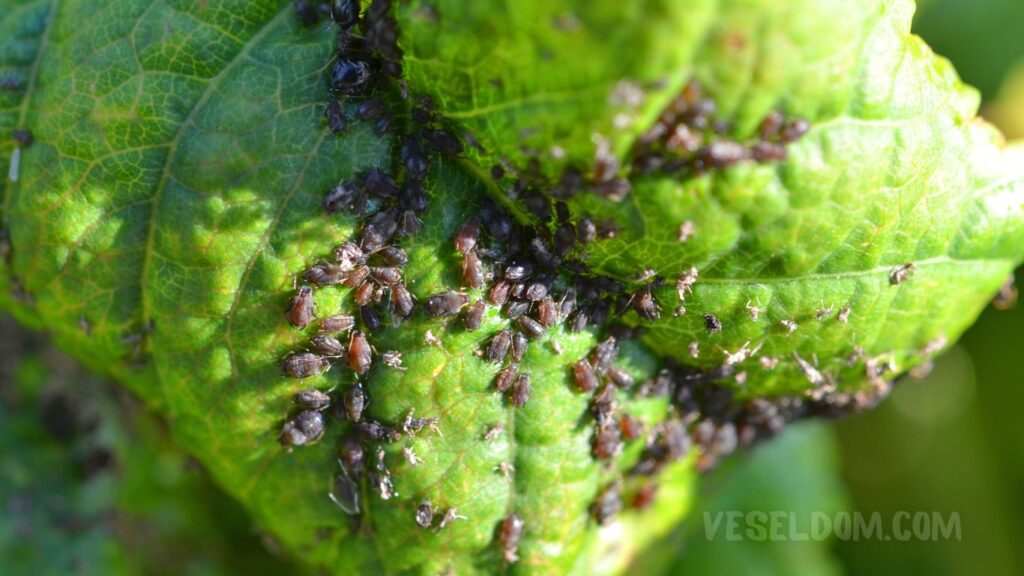
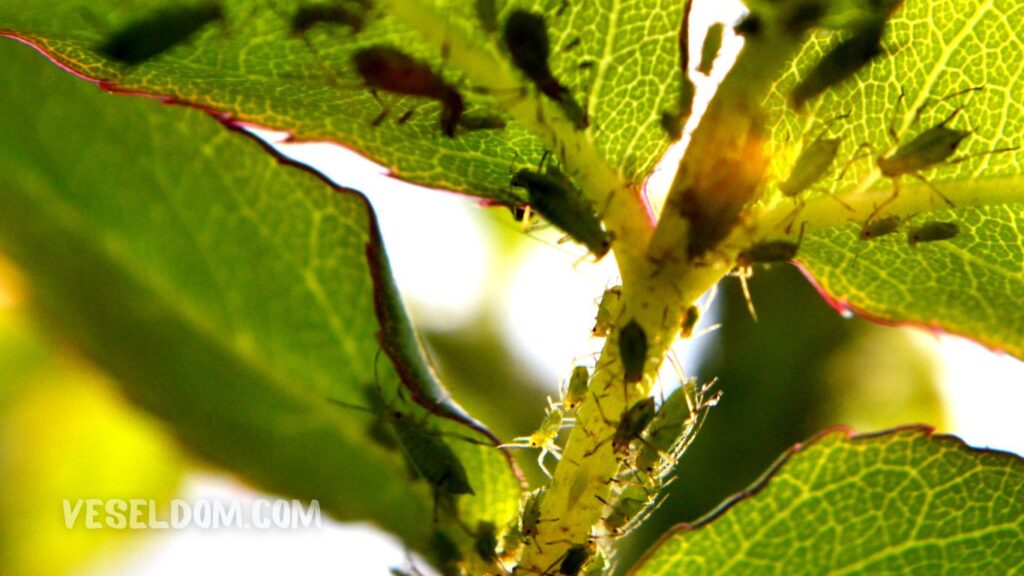
Aphids are one of the most common pests of plums, which can significantly undermine the productivity of the tree. Its presence can be easily noticed by the remains of sticky dew that it emits, as well as by white-yellow insects about 2 mm in size. The aphid feeds on the juices of plum leaves, which can lead to their falling and the death of young shoots.
To protect your plum tree from aphids, you should pay attention to safe and effective control methods. Natural remedies can be a good option for treating plums, as they do not contain harmful chemicals and do not harm the environment. One such method is to use vegetable oils such as neem oil or castor oil, which can be diluted in water and treated with this solution on the wood. This will help destroy aphids and other harmful insects.
In addition, it is important to create favorable conditions for the natural enemies of aphids, such as midges and quails, which prey on these insects. Planting plants that attract aphid enemies near plum trees can reduce aphid populations.
It is also necessary to regularly check your plum trees for the presence of aphids and take timely measures to eliminate them. Treatment of plums from aphids is an important procedure that will allow you to preserve the health and productivity of your trees.
How does an aphid live?
The aphid is a small insect of the Isoptera family. The size of an adult is about 2 mm. By autumn, adult females lay eggs, and they themselves die from frost. Eggs overwinter on or near the kidneys. In the spring, when the temperature rises above +8 °C, females emerge from them and lay approximately 150 eggs within 2 weeks. After 10 days, a new individual hatches from each egg, which actively feeds on the juice of young shoots and leaves.
As a result, the leaf bodies are deprived of moisture and nutrients and become covered with sticky secretions – the result of the vital activity of insects. The appearance of the affected tree depends on the type of aphid. The leaves may curl completely or lose a part, becoming pale.
Through the holes made by insects, moisture escapes from the leaf, and fungi and other pathogens get inside. In addition, by the middle of summer, part of the leaves and fruits fall, and those plums that remain take on an irregular shape and rot. Weakened trees do not tolerate frost well. If aphids affect more than a quarter of the leaves, the tree may die before winter.
In order to protect plums from aphids, it is recommended to regularly inspect trees and take timely measures to control pests. You can use safe natural methods such as vegetable oils that do not harm the environment. It is also important to create favorable conditions for the natural enemies of the aphid, which will help reduce its population and preserve the health and yield of your plum.
Methods of struggle
Gardeners have long figured out how to deal with aphids so that they do not damage the tree and reduce the yield. The earlier the owner detects lesions, the easier it is to get rid of pests with minimal losses.
There are several ways to deal with aphids:
- mechanical (removal of affected shoots);
- chemical (spraying with insecticides);
- biological (use of natural preparations and trichograms).
The choice of method depends on several factors:
- tree height;
- degree of damage;
- temperature and humidity;
- planting density.
Mechanical method
The mechanical method of control is suitable for a young garden with short plants, as they are easy to inspect, and in case of detection of the first foci of the pest, it is convenient to cut off the affected shoots or leaves. This approach is especially useful during the fruiting period, when the use of chemicals to treat ripening plums is dangerous.
Often the first to suffer are the so-called “spindles” – young, strong shoots that are formed in large quantities after rejuvenating pruning of the tree. Therefore, they must be removed in summer or autumn to prevent their growth and thickening of the crown. Summer spindles can be removed without the use of tools, simply by breaking them off with your hands.
Timely pruning of the tree and correct formation of the crown reduces the risk of damage by pests. When there are a lot of branches, the affected areas become difficult to see. If the crown is well ventilated, all branches receive enough sunlight. They become more resistant to infection, and it becomes easier to detect diseased shoots.
After cutting the affected branches and leaves, do not leave them under the tree or on the site. Insects can move to other trees or plants (cereals), and then get back to plums or other drupes. Therefore, distant shoots should be burned.
Sometimes aphid colonies can be washed off with a stream of water. This is possible if the tree is small, there are no fruits on it, and there is a hose with water nearby. However, most of the insects will not die, but will only move on to other plants.
Ants like to eat the sweet substance that remains on the leaf after the activity of the aphid. They even spread pests on young shoots themselves, and then feed on the juice secreted by aphids. To reduce the number of aphids, gardeners do not allow the formation of large anthills. It is also worth carefully removing weeds, especially cereals, on which aphids can live.
Chemical treatment
The most popular method of combating aphids is the chemical method, as it allows you to effectively destroy a large number of pests with one spraying. To successfully combat aphids, plums should be treated with insecticides three times during the season:
- The first processing of plums is carried out in the spring, when the temperature exceeds 8 degrees Celsius, usually mid-March to early April. During this period, the development of aphids begins, and some drugs can act not only on living individuals, but also on their eggs.
- The second spraying is carried out during bud break.
- The third treatment should be carried out after the buds appear, but before flowering.
If necessary, you can carry out another treatment after flowering, but the last spraying should be carried out at least one and a half months before harvesting.
The following chemicals are used to spray plums in the spring:
- Carbofos is a broad-spectrum insecticide effective against many harmful insects, including aphids.
- Acarin is an insecticide and acaricide that can destroy not only aphids, but also mites that can damage plums.
- Dimethoate is an insecticide and acaricide that is effective against many harmful insects, including aphids.
- Sharpei is an insecticide that has a contact and gastric effect and is effective against aphids and other insects.
- Biotlin is an insecticide known for its action against aphids and other harmful insects.
These drugs can be used several times because they do not cause resistance in insects.
In autumn, after the leaves have fallen from the trees, you can treat the shoots with other drugs, such as “Aktara”, which causes the death of insects within a day, or “Comandor”, which causes resistance.
These preparations are necessary to destroy the eggs of aphids attached to the kidneys. A noticeable reduction in the number of aphids will contribute to the killing of eggs, and not harmful insects.
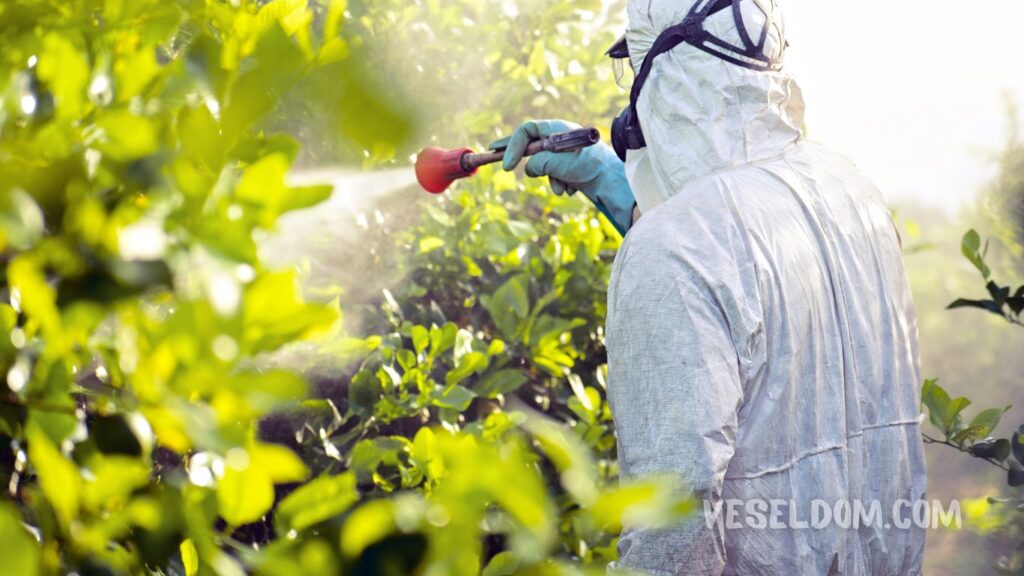
Treatment with insecticides should be carried out following the instructions and safety rules. Be sure to use overalls, a respirator, and protect your hands and eyes. It is better to carry out processing in windless weather.
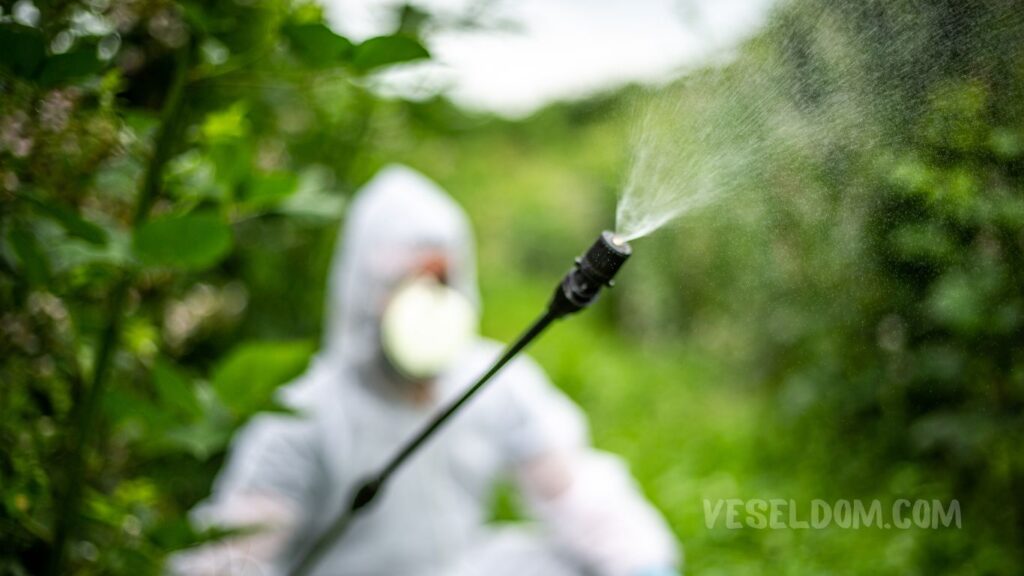
The undoubted advantage of using insecticides is their quick action. Insects die within a few hours after treatment. However, the main disadvantage of this method of combating aphids is the toxicity of the drugs used. In particular, the last treatment should be carried out in advance before harvesting, as insecticides may remain on the fruits. It should also be remembered that insecticides can have a negative effect not only on harmful insects, but also on beneficial insects that help fight aphids.
Biological methods
Having assessed all the risks of using chemical preparations, many gardeners prefer biological methods of combating aphids. Among them, you can highlight:
- Treatment with natural means against aphids, prepared according to folk recipes. These methods are based on the use of natural ingredients, such as plant extracts or infusions, soap, garlic, pepper and others. Such means may be less toxic to the environment and beneficial insects.
- Use of drugs made on a natural basis. Modern science offers biological insecticides that can control aphids and other harmful insects using living microorganisms or natural substances.
- The use of beneficial insects, such as trichograms, ladybirds, goldeneyes, which are natural enemies of aphids. For example, Trichogramma is a parasitic hymenoptera insect that lays its eggs in the eggs of aphids, destroying them. Ladybugs and ladybugs can also prey on aphids and other harmful insects, helping to protect plants from their attack.
The use of biological control methods can be an effective and less toxic way to protect plums from aphids, preserving the natural balance of the garden ecosystem. It is important to take into account the characteristics of a particular garden and the type of pest for effective control and preservation of the crop.
Folk methods
People fought against aphids long before the creation of chemical insecticides. Folk methods are used even now, especially if the number of aphids on plums is small or for preventive purposes.
- Ash treatment is carried out after removing the affected shoots and leaves in May or June. To do this, the tree must first be sprayed with cold water, and then treated with dry wood ash, which is recommended to be sifted and placed in a gauze bag. The ash plume should be distributed on the back of the leaf and the surface of the plug.
- Treatment with urea (urea) is performed in order to destroy aphid eggs located in the bark. First, fallen leaves are collected and burned. Then dissolve 700 g of urea in a bucket of water. All branches, including thick ones, are treated with a sprayer.
- Prepare a solution of green (250 g), household (100 g) or tar (300 g) soap. Dissolve it in a bucket of hot water.
- 100 g of bulbs are poured with 10 liters of water, infused for 3 days, and then filtered. Liquid soap is added so that the solution does not flow from the branches.
- Pour 500 g of tobacco with a bucket of hot water and infuse for 2 days. Then the branches are treated with the resulting solution using a sprayer.
It is important to remember that folk methods can be less effective protection against aphids compared to chemical preparations. You should also pay attention to the dosage and storage of the prepared products, because improper use can be useless or even harmful to plants and the environment.
Store preparations
Biologically based preparations are available on the market, which are quite popular among gardeners. The most common of them include:
- Phytosporin : This is a biological preparation based on live Bacillus subtilis bacteria, which are natural antagonists for many harmful microorganisms, including aphids. Phytosporin stimulates the plant’s defense mechanisms and helps prevent the spread of pests.
- Actofit (Actofit) : This preparation contains live Bacillus thuringiensis bacteria, which affect the larvae of pests, in particular the larvae of aphids. After processing a plum with Actofit, aphid larvae stop feeding and die.
- Tanrek (Tanrek) : Tanrek is a biological preparation based on natural oils that have an insecticidal effect. It can be used to control aphids on plums and other crops. Tanrek works by forming a protective film on the leaves of the plant, which prevents insects from sucking the juice.
- Ecobacterin (EcoBacterin) : This biological preparation contains live Bacillus thuringiensis bacteria and also affects the larvae of pests. It is safe for the environment and does not harm beneficial insects.
- Akarin : This drug contains the active substance ivermectin, which is effective against various harmful insects, including aphids. Acarin can be used to treat plums from aphids and other fabric insects.
The use of these biological preparations allows processing of plums at any time, including the period of fruiting and fruit ripening. After spraying, it is enough to wait 3-5 days, and then the plums can be consumed safely. Biological preparations do not harm people, bees, animals and do not pollute the environment.
However, it is important to consider that biological preparations have a slow effect on pests. And, although the insects stop feeding already 5 hours after treatment, the results can become visible only after 5-7 days. Therefore, it is recommended to spray the plum with biological preparations before the aphids spread to most of the branches.
It is necessary to carefully study the instructions for the temperature conditions for the application of biological preparations to ensure their effectiveness when processing plums in different weather conditions.
Use of insects
A great way to deal with aphids is the distribution of trichogram. This smallest insect belongs to entomophages. Trichogramma females lay their eggs in the eggs of aphids. After hatching, trichogram larvae begin to feed on the contents of the egg in which they are found. Thus, the number of pests is significantly reduced.
However, it is worth noting that trichogram practically does not survive in frost and stops its development at a temperature below +10 degrees. Therefore, you need to buy it every year, wait until it hatches from the eggs, and then distribute it evenly among trees and plants.
The size of an adult trichogram does not exceed 0.6 mm, and its black body is difficult to see on a white background. Therefore, after purchase, trichogram eggs are placed in a glass jar, and pieces of white paper collected with an accordion are placed there.
When the insects start running quickly on the paper, you can go to the garden and spread the leaves with the insects on the trees. At the same time, it is necessary to ensure that they do not fall to the ground or get caught in the rain. In a day, they themselves will crawl around the territory of the garden and discover the eggs of aphids.
Trichogramma feeds on flower nectar, so it is important for it to plant umbrella plants, such as dill or fennel, which scare off the background with their aroma.
When spreading the trichogram in the garden, you should buy new insects every year. It can be purchased in special laboratories or organic farming stores. However, the area where it is located cannot be treated with chemicals, otherwise the trichogram will die.
In addition to the trichogram, the ladybug is another useful insect that can be bought in a store and distributed around the garden. They also kill aphids, as well as goldeyes and gnats.
Although it is impossible to completely eradicate aphids, taking the above measures will significantly reduce the risk of damage to plum trees by these dangerous insects.