
Not knowing how to prepare compost correctly and use it, novice gardeners often make many critical mistakes. It is worth remembering that compost is an organic fertilizer, and not just a garbage pit. It is the best alternative to chemical and synthetic fertilizers, so gardeners need to learn how to get it correctly. Let’s take a look at the 7 main mistakes farmers make when creating a compost pile, and note some tips to help you get it right.
Prohibited substances
Before starting to collect compost, you should decide on its composition. There are some substances that can harm the fertilizer:
- Domestic animal waste. The presence of parasites in the feces can lead to problems with the compost, so it is best to avoid adding these wastes.
- Inorganic products such as plastic, synthetic fabric, glossy paper and glass do not break down in composting and can contaminate the finished compost.
- Citrus residues contain substances that harm the microorganisms necessary for the compost fermentation process.
- Chemicals and plant waste that contain toxic substances can contaminate compost and make it difficult to use.
- Potato and tomato tops, as well as dry corn stalks, can contain large amounts of seeds and diseases that can spread through the compost.
- Weeds should also not be used in compost, as they may contain seeds that survive and continue to grow even after composting. The use of compost contaminated with weed seeds can lead to their spread in the beds.
By following these tips and avoiding banned substances, you will be able to get quality and useful compost for your garden.
Lack of diversity
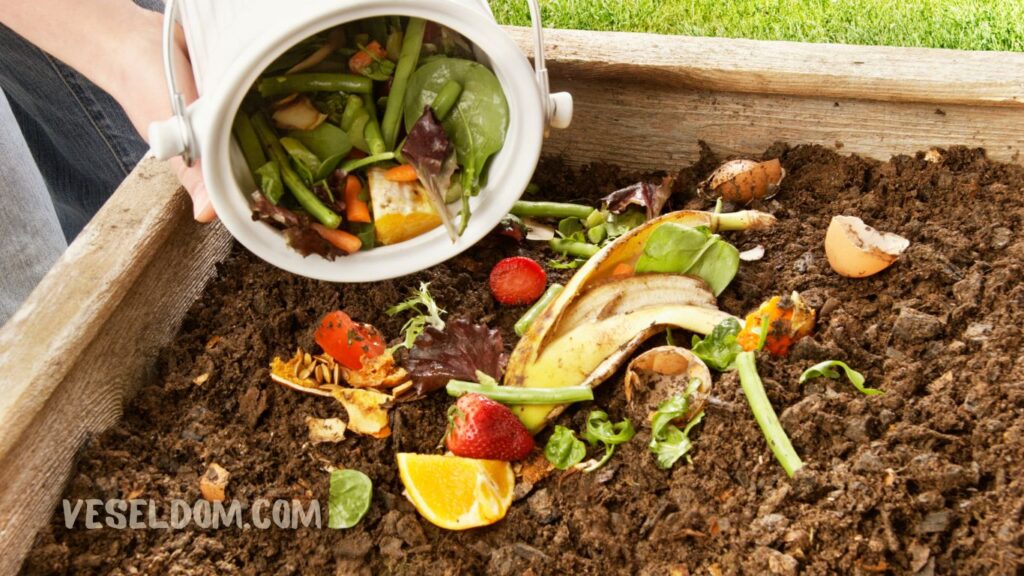
Compost is a source of nutrients and trace elements, so it is important to ensure its diversity, and not limit yourself to vegetable peels and leaves.
Almost all food waste can be added to compost, with the exception of prohibited ones. However, beginners are advised to avoid using meat and fish products, because at low temperatures they can promote the reproduction of harmful organisms that delay the fermentation process.
Adding different types of food waste, such as fruits, vegetables, coffee grounds, tea leaves, eggshells and even intact leaves, will provide the compost with a more varied composition of nutrients and stimulate an active decomposition process.
In addition, it is recommended to periodically turn the compost pile to ensure adequate ventilation and even decomposition of organic materials. It will also help to avoid unpleasant odors and provide optimal conditions for microorganisms that decompose materials.
Remember that variety and proper, careful handling of compost will help you get quality organic fertilizer for your garden.
Grass is not universal
Using a large amount of grass in the compost can have a negative effect on its quality. The high density of grass makes it difficult for air to enter the compost due to its density and moisture. Therefore, it is important to dose the grass carefully, alternating it with dry leaves or other dry materials. This will help ensure the necessary balance of dryness in the compost.
Adding dry materials such as dry leaves, straw or twigs between the layers of grass helps to thin out the compost pile and improves air circulation. This will contribute to the optimal decomposition of organic substances and prevent the formation of rot and unpleasant odor.
Remember that the right ratio between green (nitrogen-rich) and dry (carbon-rich) materials is the key to successful composting. Adjust the amount of grass in the compost, adding it sparingly and alternating with other compost materials to ensure effective micro-organisms and a quality compost.
Lack of leaves
Newbie gardeners are often skeptical about using leaves in compost, but this is a big mistake. Considering them as difficult to decompose material, they often prefer food waste, which leads to the uniformity of the compost composition.
Leaves are an important component in both compost collection and soil composting. They bring many benefits to the composting process. Without leaves, the correct organization of the soil layer and the achievement of an optimal compost structure are impossible.
Leaves have several advantages in compost:
- Increases air permeability: Adding leaves helps to thin out the compost pile and improves air circulation. This contributes to the active decomposition of materials and prevents the formation of rot.
- Provides carbon: Leaves are an important source of carbon in compost, helping to balance the ratio of carbon to nitrogen. This helps create optimal conditions for the growth of beneficial microorganisms.
- Enriches compost with nutrients: Leaves contain important minerals and nutrients that are returned to the soil after decomposition. They improve soil quality and provide a nutrient environment for plants.
It is recommended to add leaves to the compost, especially in combination with other compost materials, to ensure diversity and optimal composition of the compost. You can collect leaves from your garden or ask your neighbors if they don’t use it. Do not throw away this valuable raw material, but use it to create high-quality organic fertilizer.
Compost storage
Novice farmers do not always pay attention to maintaining the required level of moisture in the compost. If compost becomes too dry, it begins to lose its beneficial properties as the decomposition process stops.
It is recommended to place the compost pile in the shade or cover it with a cloth to protect it from direct sunlight. In winter, you can cover the compost with snow, which helps protect it from the cold. When preparing fertilizer, it is also important to remember the balance between dry and wet ingredients. An optimal balance (approximately 50 to 50) between these components ensures a stable flow of fermentation processes.
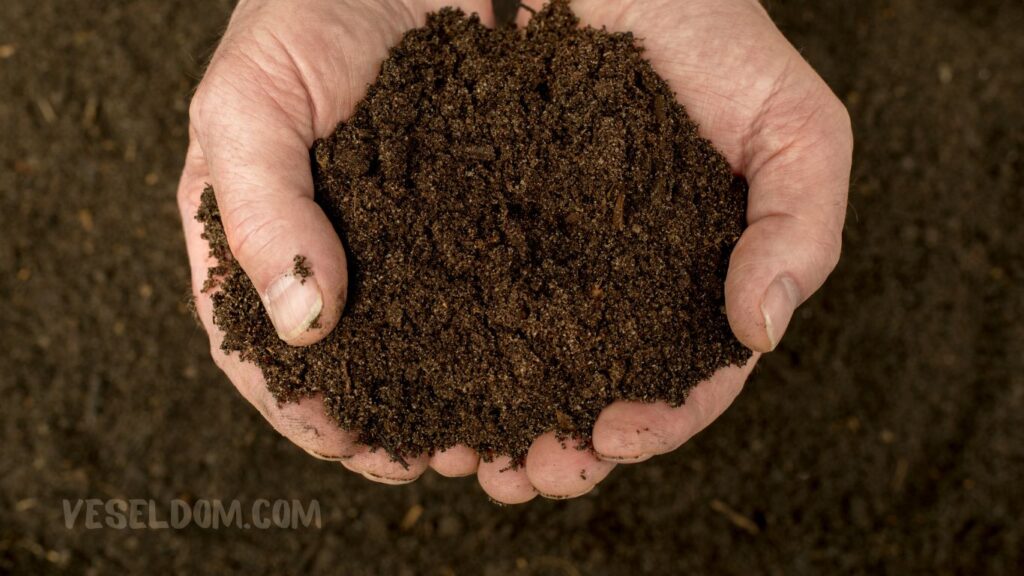
Additionally, to keep the compost moist, you can water it regularly with a small amount of water or add moist materials such as kitchen scraps or greens. It is important not to overfill the compost, but also not to allow it to become too dry. Humidity regulation will help maintain an active process of decomposition of organic materials and ensure obtaining high-quality compost.
Remember that proper compost storage, taking into account humidity and temperature conditions, is a key factor in its successful use as an organic fertilizer in your garden.
Excess
You should be careful and not overdo it with the amount of compost used. Excessive use of compost can be not only wasteful, but also harmful to plants.
Compost is a concentrated organic fertilizer containing a significant amount of mineral salts. There is a recommended annual application rate, which is usually about 4 centimeters of compost before digging into the soil. However, it is worth considering each situation separately and increasing the dose if necessary, especially on poor soils. It is recommended to calculate the amount of compost based on the number of beds and flower beds, and not to collect an excessive amount, as this can lead to unpleasant odors and the spread of pests in the garden.
It is also important to understand that compost is an addition to the soil, not its basis. Along with compost, other methods of plant nutrition, such as mineral fertilizers or organic supplements, should also be used. The correct dosage of compost will help ensure balanced plant nutrition and support the healthy development of the garden.
Remember that it is better to follow the recommended rates of compost use and calculate its amount according to the needs of your garden to avoid negative consequences from excessive use.
Small does not mean good
While chopping ingredients can speed up the decomposition process, too small pieces can slow it down. When preparing compost, you should avoid too fine grinding of leaves, as they compact over time. This can interfere with the penetration of air to the lower layers of the compost and lead to the loss of fertilizers. Therefore, it is important to periodically mix the compost, alternating small elements with larger fragments.
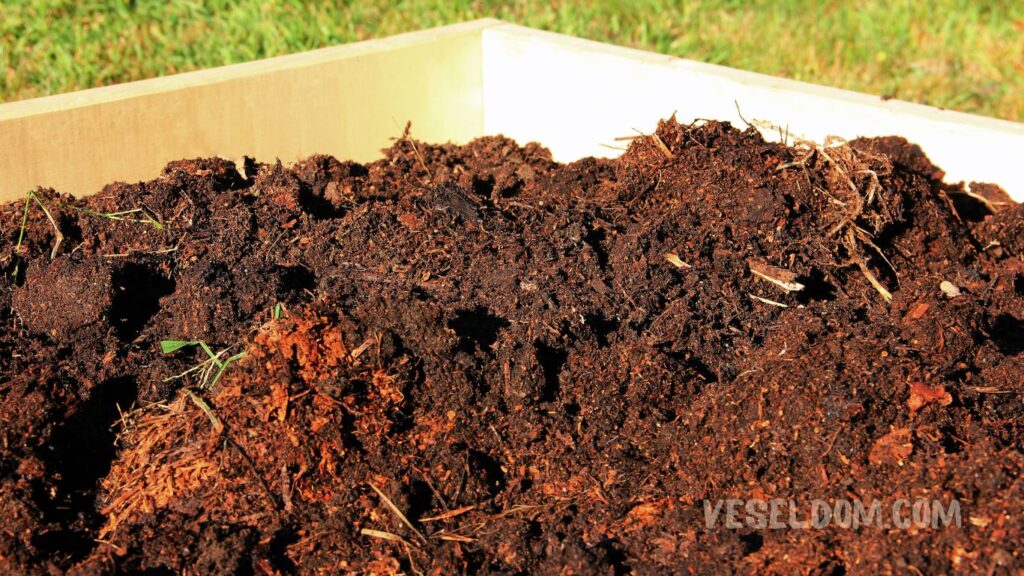
Finely ground materials such as kitchen waste can contribute to rapid decomposition. However, when processing the leaves, you can limit yourself to simply tearing them into smaller pieces instead of completely grinding them. This will preserve their structure and ensure the necessary ventilation of the compost pile.
Compost mixing is an important step in the process, especially when small materials are present. This helps distribute the different components, improves air circulation and promotes more uniform decomposition. Regular mixing of the compost, including small elements, provides optimal conditions for the microorganisms that break down the materials and contributes to the formation of quality compost.
Remember that judiciously balancing the size of the materials in your compost, stirring occasionally and avoiding too fine shredding of the leaves will help you achieve an efficient composting process and produce quality compost for your garden.
Conclusion
Compost is an excellent and easy-to-make fertilizer that can greatly improve the well-being of your garden or vegetable garden. The maximum efficiency of its use can be achieved by following the correct collection and composting rules.
Basic rules to remember when making compost include:
- Using the right materials: Avoid adding prohibited substances such as animal waste, plastic, glossy paper, etc. Collect a variety of food waste, leaves, garden scraps and other organic materials.
- Composition diversity: Add different materials to provide carbon and nitrogen balance and nutrient diversity. Avoid overuse of grass and too fine chopping of leaves.
- Ensuring moisture: Control the moisture level in the compost, not allowing excessive dryness or overwatering. Water the compost regularly as needed and use dry materials for thinning.
- Stirring: Stir the compost regularly to ensure even distribution of materials and optimal conditions for microorganisms. It also helps maintain aeration and prevents compaction of the compost.
Following these rules will ensure high-quality compost that will be a useful fertilizer for your garden or vegetable garden. Composting is not only an ecological way of disposing of organic waste, but also an important component of successful gardening. Therefore, invest time and effort in making compost correctly, avoid mistakes, and you will enjoy healthy and fruitful plants in your garden.