
Rabbits are cute eared creatures. These animals are raised for their fluffy fur and dietary meat. However, when breeding them, rabbit owners often face various difficulties. One of the main and most serious problems is common diseases among rabbits. In order to avoid such troubles, it is necessary to be able not only to recognize and start treating rabbit diseases in time, but also to properly protect against them.
Diseases in rabbits can be caused by a variety of factors, including viruses, bacteria, parasites and improper care. Unhealthy rabbits can show a variety of symptoms, including loss of appetite, lethargy, diarrhea, cough, runny nose, and behavioral changes. If you notice any of these signs in your rabbit, it is important to see your veterinarian immediately for diagnosis and treatment.
To reduce the risk of disease in rabbits, you should follow some basic principles of rabbit care. Clean and disinfect cages regularly, keep them clean and dry. Provide your rabbits with a balanced diet that includes fresh hay, vegetables, and special rabbit food. Observe hygiene rules, wash your hands before and after contact with rabbits. In addition, regularly conduct medical examinations and vaccinations of your rabbits according to the recommendations of a veterinary specialist.

Remember that proper care, prevention and timely treatment can help prevent many diseases in rabbits. If you have any concerns or questions about your rabbit’s health, it is best to consult a qualified veterinarian for advice and assistance. The health and well-being of your rabbits is the main goal of any rabbit keeper.
How to distinguish healthy rabbits from sick ones
It is worth remembering that many diseases of rabbits can initially be asymptomatic, which makes it difficult to diagnose them in a timely manner. However, ongoing monitoring is important. It is recommended to regularly inspect rabbits, observe their behavior and take preventive measures in time to prevent the spread of diseases.
The main thing is to remember that most diseases are easier to cure in the initial stages than in advanced conditions.
Signs of a healthy rabbit:
- Activity and good appetite.
- A smooth, shiny coat with no signs of flaking.
- No discharge from the eyes and ears.
- The normal rate of breathing is approximately 60 times per minute.
- Normal body temperature is from 38.5 to 39.5 degrees Celsius.
- The pulse is within 120-160 beats per minute.
- Normal bowel movements – feces should be dark brown or black, bean-shaped, and urine should be dark in color.
If you notice any deviations from these signs in your rabbit, such as loss of appetite, lethargy, shedding of fur, unusual discharge from the eyes or ears, or any changes in behavior, it is recommended that you contact your veterinarian immediately for professional advice and diagnosis .
The main signs of a sick rabbit
If you notice even the slightest change in your rabbit’s behavior or appearance, contact your veterinarian immediately. Each disease can have its own characteristic symptoms.
However, there are some general signs that indicate a rabbit disease:
- Abnormal activity or excessive passivity that is unusual for him.
- Loss of appetite or complete refusal to eat.
- Expressed thirst.
- Frequent and uneven breathing.
- Hair loss.
- Discharge from the nose, eyes or genitals.
- The presence of bumps, ulcers or seals on the skin.
- Convulsions, paralysis or trembling of the limbs.
- Diarrhea or constipation.
- Dropped ears (except when this feature is characteristic of a particular breed).
If you notice any of these signs in your rabbit, contact your veterinarian immediately. Only a qualified specialist will be able to make an accurate diagnosis and prescribe the appropriate treatment to bring your rabbit back to health.
Types of rabbit diseases
Rabbit diseases can be divided into non-contagious and contagious (which are quickly transmitted from one animal to another, sometimes even to humans).
Non-contagious or non-infectious diseases do not threaten the life of the animal, but can cause some damage to their health. These include, for example, eating disorders, diseases of the digestive organs, allergic reactions and other similar conditions.
Infectious diseases arise from viral or bacterial infection, they spread quickly and can lead to mass disease and death of the entire rabbit population. This group includes diseases such as myxomatosis, calcivirosis, pasteurellosis, parasitic hemorrhagic disease of rabbits (VHD) and others.

A separate group of diseases are invasive diseases that occur when parasites invade the rabbit’s body, such as worms, blisters, ticks, and others.
Each rabbit breeder should be able to recognize the symptoms of various pathological conditions in order to provide his animals with timely help before the arrival of a doctor, prevent the spread of diseases in the herd, and preserve the health of his pets in the future. It is important to be vigilant, observe changes in the behavior, appetite, appearance of the rabbits and respond immediately to any suspicious signs of the disease.
Non-communicable diseases
Most non-communicable diseases in rabbits can be successfully treated, but lack of timely diagnosis and treatment can lead to serious and irreversible consequences. This group includes the following pathological conditions:
- Diseases of the gastrointestinal tract.
The reason may be “hairballs” in the stomach, improper nutrition or eating low-quality food. Symptoms include diarrhea or constipation, the presence of mucus or blood in the stool, refusal to eat, bloating, lethargy and increased salivation. Treatment includes limiting food during the first day, using sorbents, and drinking rice or oat solution. In case of severe intoxication and prolonged constipation, laxatives may be necessary. For prevention, it is recommended to control the quality of food products and add probiotics to normalize the microflora of the stomach and intestines.
- Frostbite.
The reason is the long stay of animals in the cold. Symptoms include swelling and drooping of the ears, dermatitis, skin necrosis and possible pneumonia. Treatment involves disinfection of frostbitten areas of the skin with antiseptics, the use of healing ointments based on dexpanthenol, and in case of complications, antibiotic therapy may be required. For prevention, it is recommended to warm the places of detention in a timely manner for the winter and to replace metal floors with wooden ones.
- Heatstroke
The reason is the animals’ stay in direct sunlight or in an insufficiently ventilated room. Symptoms include rapid breathing, lethargy, impaired movement, and in severe cases, seizures and death can occur. Treatment consists in immediately moving the rabbit to the shade or to fresh air, applying cooling lotions. For prevention, it is important to control the temperature in the room where the animals are kept, and to place the cages in shaded places.
- Allergic reactions
The reason may be humidity in the cage, accumulation of dirt and dust, insufficient ventilation and lack of light. Symptoms include an increase in the rabbit’s body temperature, discoloration of the mucous membranes, discharge from the eyes and nose, frequent sneezing and frequent breathing. Treatment includes an immediate change in the animal’s living conditions, the use of antihistamines and sorbents. For prevention, it is recommended to create comfortable conditions for the growth of rabbits.
- Skin diseases (pododermatitis).
The reason may be keeping animals on slatted floors. Symptoms include shedding, roughness, cracks and suppuration on the paws. Treatment involves treating the skin of the paws with antiseptics and antibiotic ointments. For prevention, it is recommended to put a floor without rails in the cages or to refuse to use this type of floor at all (this is recommended especially for large breeds of rabbits).
- Mechanical injuries.
The reason may be cramped cages, overpopulation of animals and violation of mating rules. Symptoms include scratches, swelling, bruising and multiple hematomas on the body. Treatment includes cooling the impact sites, treating skin lesions with antiseptics and, in case of suppuration, using antibacterial ointments. For prevention, it is important to control the number of animals in the cage and monitor their condition during mating.
- Avitaminosis.
The reason may be insufficient supply of necessary vitamins and trace elements. Symptoms include rickets (in rabbits), shedding, growth retardation, and lethargy or, conversely, hyperactivity. For example, a lack of calcium can cause a rabbit’s legs to fail. Treatment includes adding vitamin premixes and complex bio-supplements to the diet. For prevention, it is important to control the diet and ensure its variety.
Invasive (parasitic) diseases
Rabbits can get sick when affected by various parasites, which are also called invasive diseases. Parasites interfere with the normal life of rabbits and exhaust their bodies.
The most common type of invasive disease is helminthic infestation. Only a specialist can determine exactly which worms have settled in a rabbit based on the tests carried out.
The main types of invasive diseases in rabbits:
- Cysticercosis.
The reason is dog parasites, cestodes. Symptoms include blistering of the parasite on the rabbit’s liver, meninges, and thoracic and abdominal cavities (revealed at necropsy). Treatment of this disease is often difficult. Drugs based on benzimidazole are used. For prevention, it is recommended to limit or prevent dogs from entering the territory of the rabbit farm.
- Coccidiosis.
The causes are coccidia. Symptoms resemble poisoning (diarrhea, lack of appetite, bloating). During the autopsy, the destruction of the intestinal walls by unicellular parasites is observed. Coccidiostats, antibiotics and probiotics are used for treatment. For prevention, it is recommended to give rabbits water with iodine, to keep the rooms where rabbits are kept clean, and to use food containing coccidiostats.

- Fascileosis.
The reason is the trematode marsh mollusk. Symptoms include fever, swollen eyelids, jaundice, convulsions, and profuse shedding. For treatment, carbon tetrachloride is used for deworming. For prevention, it is recommended to disinfect, not to allow outsiders and animals into the territory of the farm.
- Pediculosis.
The reason is fleas, lice. Symptoms include hair loss, baldness and thinness. Treatment includes treatment with special anti-pediculosis products at home. For prevention, it is recommended to constantly check the fur of rabbits for the presence of parasites and their larvae, as well as to carry out preventive disinsection.
- Psoroptosis (ear scabies).
The reason is scabies mites. Sick rabbits feel discomfort in their ears, so they shake their heads and comb their ears. Scales form on the surface of the auricles. Treatment includes removing scales and plugs from the ears, and then treating the affected areas with acaricides and antiseptics. For prevention, it is recommended to quarantine infected rabbits until full recovery. Cells should be burned and treated with creolin.
Infectious diseases
Infectious diseases are the most dangerous for the rabbit population. Some of them can cause a mass death due to the rapid spread of the pathogen by contact or by airborne droplets.
Rabbits after 1 month, weakened adult animals with poor immunity are considered the most vulnerable. It is recommended to give rabbits immunostimulants to prevent infectious damage.
Now consider individual diseases and their characteristics:
- Staphylococcus.
Cause: staphylococcus. Symptoms: purulent formations on the skin and mucous membranes, temperature rise to 42C; in lactating rabbits – swelling of nipples, pus in milk. There is no treatment, the meat of sick animals is dangerous for human consumption. Prevention: periodic inspection of animals, disinfection of premises.
- Trichophytia (ringworm).
Cause: fungus. Rounded spots of different sizes appear on the skin, covered with scales and crusts. The animal is very itchy. Treatment: treatment of affected areas with antifungal ointments, antiseptics. Prevention: isolation, quarantine, disinfection, vaccination.
- Spirochetosis (treponemosis, “rabbit syphilis”).
The reason: bacteria. Symptoms: swelling of the genitals, discharge of mucus, pus from them, ulcers, growths appear. Hair may fall out. Antibacterial therapy is prescribed. Prevention: monitoring the health of animals that are subject to mating.
- Dermaticosis (dermatomycosis).
The reason: different types of fungi. Symptoms: itching, peeling skin, hair loss. Antifungal ointments are applied to the affected areas. Prevention: keeping animals clean, disinfection.
- Colibacteriosis (Escherichia).
Cause: Escherichia coli. Animals move little, become apathetic, restless, lose appetite, observe diarrhea (a lot of mucus, gas bubbles in feces), pregnant females abort, coma and convulsions are possible. The first day – a fasting diet, and then (until recovery) – only easily digestible food. Antibiotics, nitrofuran are also prescribed. Prevention: isolation of sick individuals, disinfection of equipment, premises.
- Myxomatosis.
Cause: virus. Symptoms: conjunctivitis, reddened skin, swelling, nodules on the body, swelling and drooping of the ears, cattle, discharge (sometimes with pus) from the eyes, fever, nodules on the skin. The acute form is incurable and ends in death. In chronic (nodular) form, antibiotics are prescribed, and the eyes and nodules are washed with antiseptics. Prevention: vaccination.
- Pasteurellosis (hemorrhagic septicemia).
In an acute course, conjunctivitis, sneezing, rabbit fever, diarrhea, nasal secretions appear, and the rabbit dies in a couple of days. With an atypical form, abscesses appear. Only the atypical (pustular) form of the disease can be treated. Antibiotics, sulfonamide drugs are prescribed. Long-term quarantine for sick rabbits, disinfection of cages, inventory, burning of dead animals, vaccination.

- Infectious stomatitis.
Causes: virus, injuries, metabolic disorders. Prone rabbits up to 3 months. Symptoms: white coating on the tongue, the appearance of ulcers in the mouth and nose, redness of the lips and chin, exhaustion, sometimes diarrhea. Treatment: treatment of the affected skin and mucous membranes with a solution of copper sulfate (2%), Lugol’s solution, powders based on antibiotics and nystatin. Prevention: disinfection, periodic inspection of animals.
- Tularemia.
Symptoms: cough, difficulty breathing, with suffocation, the rabbit aborts. Sometimes there is paralysis. Abscesses appear on the body, lymph nodes increase. Treatment: antibiotics and sulfonamide drugs are prescribed. Unfortunately, the risk of death of sick individuals is up to 90%, even with treatment. Animals that have contracted the disease develop lifelong immunity to the disease. For prevention, it is necessary to carry out constant disinfection, disinsection, deratization.
- Infectious rhinitis (“contagious runny nose”).
Symptoms: itchy nose, constant discharge, frequent sneezing, dacryocystitis (inflammation of the lacrimal sac in the eye). The temperature regime in the room should be adjusted, nutrition should be improved. It is recommended to give immunomodulatory drugs, and to drip a 1% furacilin solution into the nose. If the course is complicated – antibiotics. Prevention: strengthening of animal immunity, disinfection, selection of vitaminized food.
- Listeriosis.
They cause pathogenic listeria (pregnant rabbits get sick more often). Symptoms: paralysis of hind legs, convulsions, enlarged liver and spleen. There is no cure. Animals are burned, the habitats of sick rabbits are thoroughly disinfected, burned, periodic extermination is carried out.
- Viral hemorrhagic disease of rabbits (VHC).
Asymptomatic course. Sometimes they note fever, lethargy in animals, nosebleeds before death, may snort loudly when dying. There is no treatment. After contracting the disease, surviving individuals become immune to the disease for life. Dead animals are burned, cages are disinfected, containers and manure from sick individuals are buried to a depth of 3 m. The main prevention of diseases is vaccination of rabbits.
Common diseases of rabbits
Rabbits in the first 30 days after birth have very high immunity and are not prone to infectious damage. But the death of young in the first month still often happens. The reasons include:
- Low temperature in the womb, which can lead to hypothermia of rabbits.
- An insufficient amount of milk in the rabbit, which can cause malnutrition or lack of nutrition of the young.
- Non-compliance with sanitary standards in the place of detention, which contributes to the spread of infectious agents.
Rabbits older than 1 month can suffer from the same diseases as adults. However, unfortunately, young animals are more prone to diseases and mass death often occurs among young offspring. It is important to take measures to preserve health and prevent diseases in rabbits, providing them with proper care, warmth, appropriate nutrition and hygiene.
What are decorative and dwarf rabbits sick with
Diseases of decorative rabbits can be similar to diseases of their larger relatives. They often suffer from skin diseases, especially when kept in mesh cages, and can also be prone to parasitic infections, especially if they are in a household with dogs, cats or other animals. In addition, there are several pathological conditions that dwarf furry creatures are often prone to.
The main diseases that decorative and dwarf rabbits can face include:
- Malocclusion: Genetic predisposition. Symptoms include malocclusion, overgrowth of incisors, malocclusion and crooked teeth. Treatment may include mechanical correction of the teeth by a dentist, as well as constant examination of the animal.
- Cystitis (including cystitis combined with urolithiasis): Bacterial infections, salt deposits and kidney stones (often seen in neutered rabbits) can be causes. Symptoms include frequent urination, fever, decreased appetite, and red urine. Treatment includes the use of diuretics, anti-inflammatory drugs and, in severe cases, antibiotics. It is recommended to follow a proper diet and use a special diet.
- Oncological diseases: Symptoms depend on the location of the tumor, but may include a change in the color of the urine (especially common in rabbits). Surgical removal of the pathological neoplasm is a possible method of treatment.
Eye diseases that decorative and dwarf rabbits may experience include:
- Exophthalmos: Protrusion of the eyes, which can be caused by inflammatory processes in the teeth. Treatment involves removing the tooth or eye to relieve the disease. It is recommended to control the bite and growth of teeth for prevention.
- Mechanical damage to the eyes: Can be caused by vaulting, close cages, fights between animals or dirt getting into the eyes. Symptoms include reddening of the sclera, swelling of the eyelids, tearing, discharge of pus, acidification and inflammation of the vessels of the eye (uveitis). Treatment may include the use of an isotonic NaCl solution to wash the eyeball and a course of antibacterial drops.
- Chemical eye damage: May occur from contact with bleach or ammonia fumes from urine. Symptoms include eyelid swelling and redness. Eyes should be washed with saline solution and anti-inflammatory drops should be used.
- Epiphora: Occurs due to blockage of the tear duct. The symptom is constant tearing. Treatment may include washing the eyes with saline solution and furatsilin, and in the presence of pus – the use of drops with an antibiotic.
- Conjunctivitis: Causes can be vitamin A deficiency, viral or bacterial infections, trauma, or allergic reactions. Symptoms include inflammation of the cornea of the eye (keratitis), swelling, tearing, redness, and sometimes pus in the eye due to a bacterial infection. Treatment may include washing the eyes with antiseptics and using drops with antibiotics.
- Cataracts and glaucoma: The causes of these conditions are unknown, but they may be related to diabetes, encephalitis, or aging. Glaucoma occurs as a result of increased eye pressure. Symptoms include cloudy eyes, discharge and swelling of the eyelids, and nodules on the cornea. Cataract and glaucoma can be treated surgically only in hospital conditions.
These are just some of the diseases that decorative and dwarf rabbits can face. It is important to remember that if a rabbit shows signs of illness, you should consult a veterinarian for diagnosis and proper treatment.
Disease prevention and vaccination
Any diseases of rabbits are much easier to prevent than to treat. For this, it is recommended to observe the following preventive measures:
- Ensuring proper housing conditions: Rabbits should have a clean and dry cage or aviary with enough space to move around, adequate ventilation and protection from extreme temperatures.
- Eating quality and fresh food: Rabbits need a diet rich in fresh vegetables, hay, litter and sufficient water. Uncontrolled use of industrial feeders or food that may be contaminated or expired should be avoided.
- Daily cleaning of the cages: Regular removal of waste, dirt and moisture from the cages helps to avoid the reproduction of bacteria and parasites.
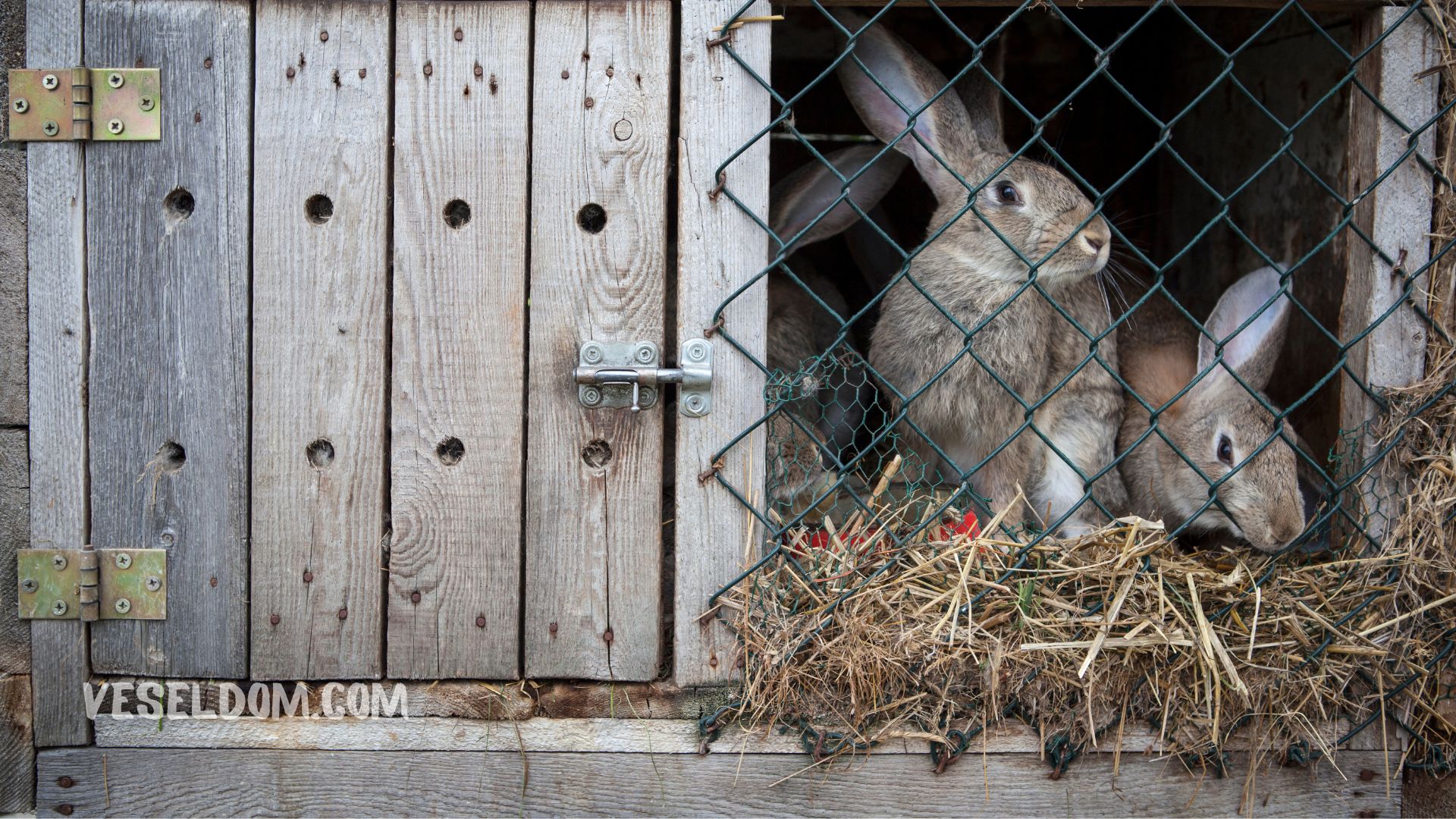
- Periodic disinfection of rabbit houses: Cages, utensils, drinking bowls and other equipment should be regularly disinfected to kill microorganisms and prevent infections.
- Vaccination according to the vaccination schedule: It is recommended to follow veterinary recommendations for vaccination against viral diseases such as myxomatosis and viral hemorrhagic disease of rabbits. Vaccination helps prevent serious diseases and reduce the risk of infection.
- Quarantine on the farm in case of illness in some rabbits: In case of detection of signs of illness in rabbits, it is recommended to establish quarantine measures to avoid the spread of infection to other animals.
- Current disinfestation and deratization: Regular preventive measures against insects, ticks and rodents are important to prevent the diseases they can transmit.
It is important to remember that self-medication of rabbits is unacceptable. In order to make a clear diagnosis and select an appropriate treatment regimen, it is necessary to consult a veterinarian who has the necessary experience and knowledge of treating rabbits.
Diseases of rabbits are dangerous for humans
Some rabbit diseases can be dangerous because they can be transmitted to humans. The risk of infection from rabbits to humans is high, especially with direct contact.
Such diseases include scabies, helminthiasis, pasteurellosis, tularemia and listeriosis. To avoid infection, rabbit breeders should take care to minimize contact with sick rabbits, use protective equipment and specialized clothing, and periodically disinfect used equipment and containers. Rabbit meat that is suspected of having a disease is recommended to be disposed of rather than eaten.
It is clear that it is impossible to completely avoid pathogenic effects on rabbits. But reducing the risk of disease is possible for every rabbit. For this, it is only necessary to take care of proper housing conditions, proper nutrition and timely vaccination. Knowing the symptoms and treatment of serious pathologies allows you to recognize them in time and prevent the spread of the disease.