
Raising rabbits is not an easy task. It requires not only a rational approach to animal care, but also constant monitoring of their health. These cute eared animals grow quickly and have excellent performance characteristics, but are prone to various diseases. Among the frequent pathological symptoms is diarrhea (Greek Διά-ρροια – diarrhea from Greek Δια-ρρέω – to flow through or through, to flow) – accelerated defecation of a liquid consistency. Diarrhea in a rabbit needs attention, as it is a symptom of various diseases and problems in maintenance.
Causes of diarrhea in rabbits
Diarrhea in rabbits can be caused by a number of different reasons:
- Unbalanced diet. This problem occurs when the rabbit’s diet contains an excessive amount of protein and fat, but not enough carbohydrates, especially solid fiber. It is important to avoid foods that contain a lot of starch and sugar.
- Poisoning. Diarrhea can be the result of improper feeding, such as fresh wet grass, moldy greens, spoilage or low-quality feed, or an abundance of vegetables and fruits.
- Dysbacteriosis. It occurs due to an imbalance in the digestive system, especially after poisoning or antibiotic therapy. This can lead to disruption of the normal functioning of the gastrointestinal tract.
- Stress. Rabbits are vulnerable to stress, and it can cause intestinal disturbances due to the production of the hormone adrenaline. This can slow down the digestion of food and lead to a violation of the process of defecation.
- Non-infectious diseases. These include inflammatory diseases of the gastrointestinal tract (gastritis, gastroenteritis, enteritis), oral and dental problems, obesity, joint diseases, and allergies.
- Infectious diseases. Diarrhea can be a symptom of infections such as infectious stomatitis, paratyphoid fever, viral hemorrhagic disease, and streptococcal septicemia.
- Worm and parasitic infestations. The risk of diarrhea increases with the presence of worms such as coccidiosis, flukes, nematodes and cestodes.

Diarrhea in rabbits
If the rabbit does not feed the young enough and she has little milk, then her babies may be at risk of developing an inflammatory process in the stomach, the so-called enteritis, which in turn causes diarrhea. Also, in rabbits, stool liquefaction can be observed after their separation from the mother and during a sharp transition to solid food.
Mother’s milk regulates the acidity of the stomach and provides babies with the necessary antibodies against various diseases. Abruptly stopping feeding with mother’s milk can lead to a decrease in the body’s resistance, disruption of the microflora of the gastrointestinal tract, and make rabbits more prone to various diseases, including those that can cause diarrhea.
Diarrhea in adults
In adulthood, rabbits can often face the problem of diarrhea. This phenomenon is especially common among domestic rabbits that have brought joy to their owners for many years (for example, decorative breeds). Transient diarrhea can also occur in commercial breeds raised for meat or skin, and they are usually slaughtered in the third month of life.
Mainly decorative rabbits become victims of diarrhea due to various problems related to the diet. This can include indigestion, food poisoning or overeating. Diarrhea can also occur when feeding a rabbit with sweets, bread and cookies.
It is important to provide decorative rabbits with proper nutrition and carefully monitor their diet. A lack of fiber (prohibitive amounts of hay and straw) and high starch foods can also cause diarrhea.
If you notice signs of diarrhea in your rabbit, you should contact your veterinarian immediately. Taking good care of your rabbit’s diet and health can help prevent this unpleasant problem.
How to treat diarrhea
When providing assistance in case of loose stools in rabbits (pre-medical assistance), it is important to follow the following algorithm:
- First, you should carefully clean the anus of an eared dog from feces that can cause an infection. If the animal licks the area on its own, it can cause reinfection.
- It is recommended to disinfect the cage and place the animal on changing disposable diapers to maintain cleanliness.
- Juicy foods such as vegetables, grass and fruits should be excluded from the diet, which can worsen the situation.
- It is important to provide plenty of water, herbal infusions and rehydron solution to maintain hydration.
- Rabbits suffering from diarrhea may be cold, so their house should be warmed with a lamp or heater.
If the rabbit’s condition does not improve within a day, and the measures taken do not lead to a positive result, it is important to immediately contact a veterinary specialist. It is worth remembering that improper independent treatment, which delays a visit to a specialist, can lead to serious consequences for the rabbit’s health, including death.

Drug treatment
Drug therapy includes a complex of drugs prescribed to treat the underlying cause of the disease and symptoms, including diarrhea.
When dealing with diarrhea, the main diagnosis is taken into account when prescribing treatment. Among the mandatory steps of therapy:
- Detoxification of the animal body. Enterosorbents, such as activated carbon, enterosgel, smecta, are used to remove harmful substances.
- Antibiotics. Antibiotics such as Baytril may be used to prevent bacterial infection. Administration is carried out every 8 hours on the withers, calculating 0.1 ml per 1 kg of weight, previously diluted in 1 ml of 0.9% sodium chloride (NaCl) solution.
- Prevention of coccidiosis. For this, coccidiostats are used, for example, Baycox. The drug is dissolved in water (1 teaspoon per 1 liter of water) and served within 48 hours.
- Anthelmintic prophylaxis. It is recommended to use anthelmintics, such as albendazole and levamisole, according to the instructions for the drugs.
- Normalization of the flora of the gastrointestinal tract. Medicines that contribute to the restoration of normal microflora, for example, Linex, can be prescribed.
- Reduction of flatulence. In cases of increased gas formation, it is recommended to use drops from flatulence (Espumizan) or infusions of fennel or dill seeds.
If the rabbit’s condition does not improve within a day after applying these measures, you should immediately consult a veterinary specialist. Self-medication can lead to serious consequences for the animal’s health.
Folk methods of treatment
Alternative medicine has in its arsenal many means that can successfully help in the treatment of diarrhea in domestic rabbits.
- Thimble A decoction of foxglove (1 teaspoon per 1 glass of water) is given to a rabbit at the rate of 1 teaspoon per individual. For this, it is poured into the animal’s mouth using a syringe.
- Pharmacy chamomile. Brew chamomile until it turns a rich yellow color, and then drink 1 teaspoon of the decoction three times a day for 10 days.
- Oak bark. To prepare a decoction of oak bark, use 1 part of crushed bark and 5 parts of water. Rabbits are given 1 teaspoon of decoction three times a day for 5-7 days.
- St. John’s wort grass. A decoction of St. John’s wort (1:20) is recommended to be given to rabbits in a dose of 1-3 ml per individual two or three times a day for a week.
It is important to note that the use of folk methods should be done carefully and under control. If the condition of the rabbit does not improve or even worsens, you should immediately contact a qualified veterinary specialist. Self-medication can pose a threat to the health and life of the animal.
How to treat protracted diarrhea in a rabbit
In cases where the rabbit suffers from diarrhea for a long time, there is a risk of dehydration. It is especially difficult when the animal refuses to eat and drink. It is necessary to remain determined and not lose hope. It is important to continue to use the therapy recommended by the veterinarian and, if necessary, use a syringe to force fluids into the mouth (boiled water, herbal decoctions or saline solutions can be used).

Dehydration can be prevented by injecting saline solution (0.9% NaCl solution) or Ringer’s solution (10-12 ml per kilogram of body weight, 4 times a day).
If the rabbit refuses to eat at all, 5% glucose (1:1 ratio) can be added to the saline to provide an additional source of energy.
It is important to remember that in case of prolonged diarrhea and dehydration of the rabbit, immediate consultation with a veterinary specialist is mandatory. Self-medication can lead to serious complications and threaten the life of the animal.
Prevention measures
The effective fight against the disease consists in its prediction and prevention.
The main recommendations for prevention include:
- Strict control over the diet of rabbits. Providing the right diet is a fundamental step in ensuring animal health.
- Scrupulous control over food quality. Ensure that food products meet quality standards.
- Timely cleaning of rabbit hutches. Regular cleaning helps maintain hygiene and reduces the risk of infection.
- Disinfection of equipment and premises. Carrying out disinfection procedures helps to prevent the spread of the disease.
- Vaccination according to the vaccination schedule. Regular vaccination of rabbits is an important component of prevention.
- Strict adherence to quarantine rules. Rabbits arriving or returning to the farm must be monitored during the quarantine period.
- Periodic inspection of the herd. Regular checks for signs of illness and immediate isolation of sick persons help prevent the spread of infection.
- Reduction of stressful situations. Providing a peaceful environment promotes overall health and reduces vulnerability to disease.
It is important to note that successful disease prevention requires a responsible approach and systematic implementation of all measures.
What should be normal rabbit feces
Normal rabbit stools can be of two types: hard and soft. Hard stool looks like dark brown peas that are released during the day. Soft feces, known as cecotrophs, are released at night and contain many important trace elements necessary for rabbit health. They are similar to grapes in shape, have a distinct aroma and a soft consistency.
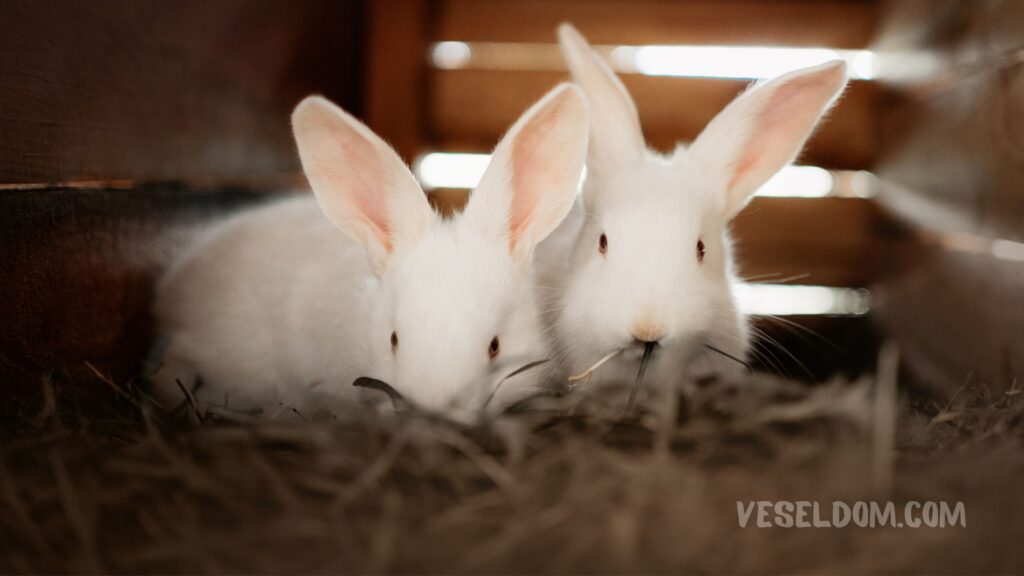
Rabbits consume cecotrophs themselves, providing their body with valuable substances that also regulate the work of the stomach and intestines. An important feature is that cecotrophs are secreted only at night, unlike diarrhea, when feces have a liquid consistency regardless of the time of day.
Observation and knowledge of the normal rhythms and nature of rabbit bowel movements will help distinguish between these two types of bowel movements.
Special diet for rabbits with diarrhea
With diarrhea in rabbits, it is recommended to follow a special diet, which includes:
- Constant access to quality hay. Hay is an important source of fiber and a digestive regulator.
- Increased volumes of compound feed with the addition of vitamins and minerals. Increasing the amount of compound feed helps to provide additional diet and nutrients.
- Adding oats to the diet. Oats have a fixing effect on the intestines and help strengthen the walls of the stomach.
- Boiling water and adding drugs to prevent worm infections. Water must be kept clean and safe.
Diarrhea in rabbits can pose a serious threat to their health, especially due to possible dehydration. Therefore, every rabbit owner should be able to recognize this symptom in time and take the necessary measures to provide assistance. Providing proper care and a rational diet plays an important role in the prevention and treatment of diarrhea. However, it is also important to consult a veterinarian for professional advice and drug therapy, as in some cases self-treatment may not be effective enough.