
Spring is a time when gardeners prepare for an active season of growing plants and caring for them. One of the most important aspects of ensuring healthy growth and abundant flowering of plants is proper soil fertilization. Sunlight and water are irreplaceable friends of plants, but fertilizers are their loyal assistants. Fertilizers can be simple, containing individual components such as nitrogen, potassium, and phosphorus, or complex, consisting of two or more minerals. Complex fertilizers for the garden are an important aspect of plant care, especially in spring, when we are preparing for an active season of growing and decorating our garden.
Today we will consider the TOP-9 complex fertilizers for the garden, which will help you achieve impressive results in growing plants.
The advantages of complex fertilizers are as follows:
- One grain contains many minerals necessary for plants, which provides them with a complex and balanced nutrition.
- Complex fertilizers work effectively even with different watering regimes, which allows you to save time and effort when caring for plants.
- They are affordable and easy to transport compared to organic fertilizers such as manure.
Using complex fertilizers is an effective way to provide your plants with everything they need for healthy growth and development. However, it is necessary to remember the exact dosage when using them in order to avoid possible overuse of substances that can negatively affect plants. Choose reliable complex fertilizers, taking into account the needs of your garden, and enjoy the colorful and exuberant flowering of your green haven.
Ammonium nitrate
Ammonium nitrate is a complex fertilizer presented in the form of white powder or small granules. The main advantage of this fertilizer is the high nitrogen content, which is up to 40% in its composition. It is water-soluble and has hygroscopic properties, which contributes to the effective supply of plants with the necessary nutrients.
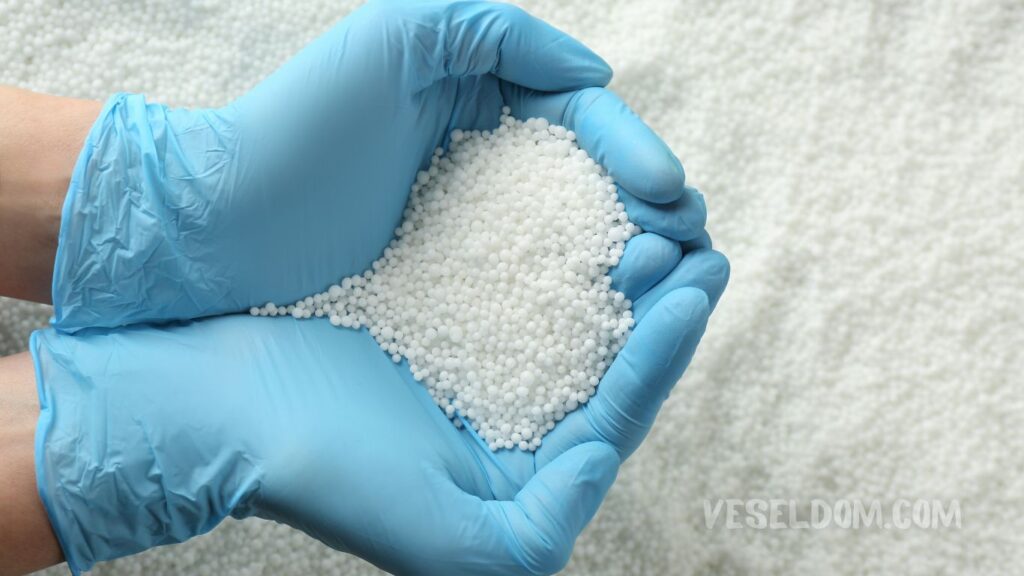
The main purpose of ammonium nitrate is a fertilizer for calcareous soils, which allows you to get high-quality and healthy greens. However, it is important to adhere to the recommended rates of application, because increasing the doses can increase the nitrate content in the fruits, which can negatively affect the quality of the harvest.
The optimal rate of application of ammonium nitrate is 20 g per m2. By strictly following these standards, the gardener can provide plants with the necessary nutrients, ensuring their healthy growth and development.
It is also important to avoid mixing ammonium nitrate with organic fertilizers, as this can lead to self-ignition and unwanted chemical reactions. To achieve the maximum effectiveness of the fertilizer, it is recommended to use it separately from other fertilizers.
In general, ammonium nitrate is an important element in the system of complex fertilizers for the garden, which helps to provide plants with the necessary nutrients for healthy growth and development. Correct application of this fertilizer contributes to a high yield and plant health, helping to create an impressive and fruitful garden or vegetable garden.
Urea
Urea is white granules that contain a large amount of nitrogen – up to 47%. It dissolves well in water, but when stored in a humid room, it can coagulate and turn into a stony form. This complex fertilizer has two main methods of application: root feeding and foliar feeding.
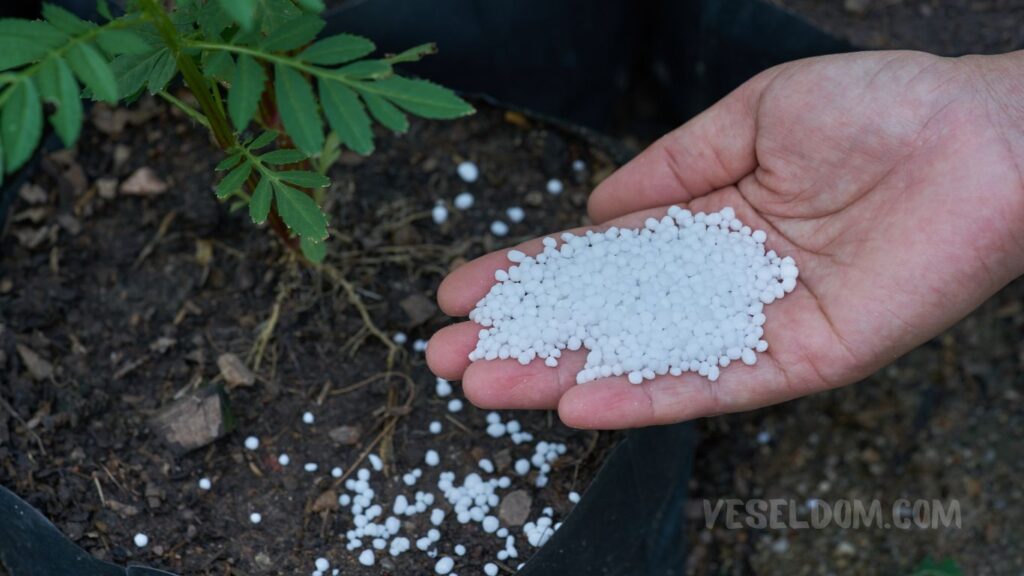
For root feeding, it is recommended to use approximately 15 g of urea per square meter of soil. As for foliar fertilization, the use of 10 g of urea per 1 liter of water has proven itself well, which allows you to fertilize an acre of land using only 3 liters of solution.
A caution when using urea is to avoid mixing it with superphosphate or lime, as this can cause chemical reactions that will reduce the effectiveness of the fertilizer.
Urea is one of the important elements of the system of complex fertilizers for the garden, as it provides plants with the necessary nitrogen for their growth and development. The correct application of this fertilizer helps to ensure healthy and strong plants, which leads to a high yield and spectacular beauty of your garden or vegetable garden. It is necessary to adhere to the recommended doses and carefully approach its use in order to get the maximum result.
Ammonium sulfate
Ammonium sulfate is a light gray substance that contains 20% nitrogen and is safe for humans. This is an important complex fertilizer, which is often used for spring feeding of the garden. The recommended dose for application to beds is approximately 35 grams per square meter of soil.

The most effective way of using ammonium sulfate is its combination with chalk in a ratio of 50/50. Such a mixture allows you to provide plants with the necessary nitrogen, and also helps to maintain the optimal level of soil acidity.
It is important to follow the recommended dosage when using ammonium sulfate, as exceeding the norm can lead to overfeeding of the soil and negatively affect plant growth. Considering these factors, the correct application of ammonium sulfate will help provide the plants with the necessary nutrients, improve their development and ensure a richer and healthier harvest.
Superphosphate
Superphosphate is one of the most common and available phosphorus fertilizers. It is a gray powder that contains approximately 15-20% phosphorus, 10% calcium and 0.5% magnesium. An important advantage of this fertilizer is that it is soluble in water, suitable for any type of soil and does not affect its pH level. The recommended application rate of superphosphate is 50 grams per square meter of land.
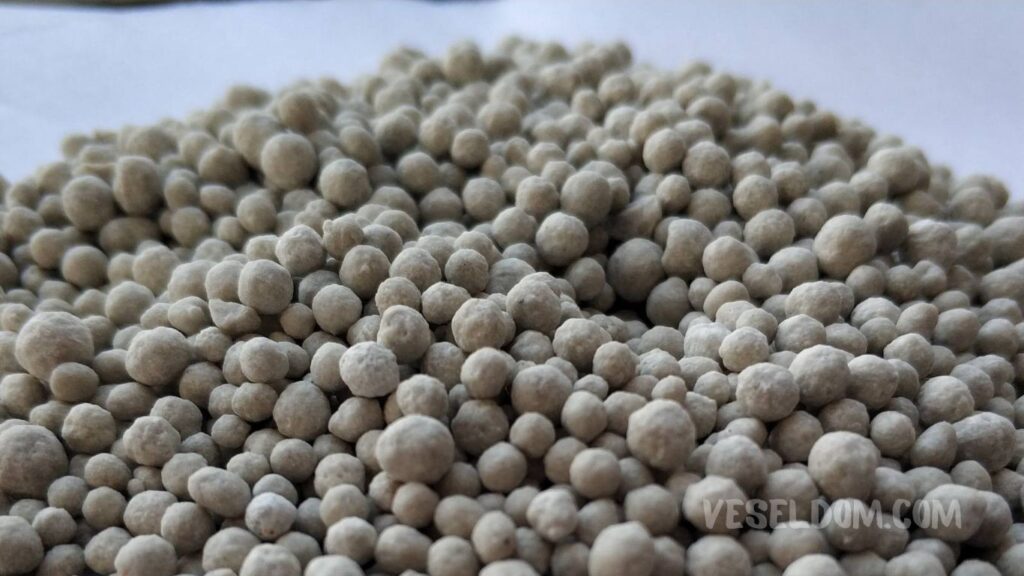
Since superphosphate does not affect the acidity of the soil, it can be used both in spring and autumn, and even during fruiting. This allows plants to be supplied with the necessary phosphorus at various stages of growth and development.
There is also double superphosphate, which lives up to its name by containing twice as much phosphorus as regular superphosphate. Such a fertilizer allows you to reduce costs, because to achieve the same effect, you will need to apply a smaller amount of fertilizer. Careful application of superphosphate or double superphosphate will help support healthy plant growth, ensure their effective development and improve yields.
Phosphorite flour
Phosphorite flour is a fine powder of gray-brown color, which is almost insoluble in water, because it is obtained from rocks. Its composition contains up to 12% of biologically available phosphorus, 2% of potassium, 35% of calcium carbonate and 20% of calcium oxide.
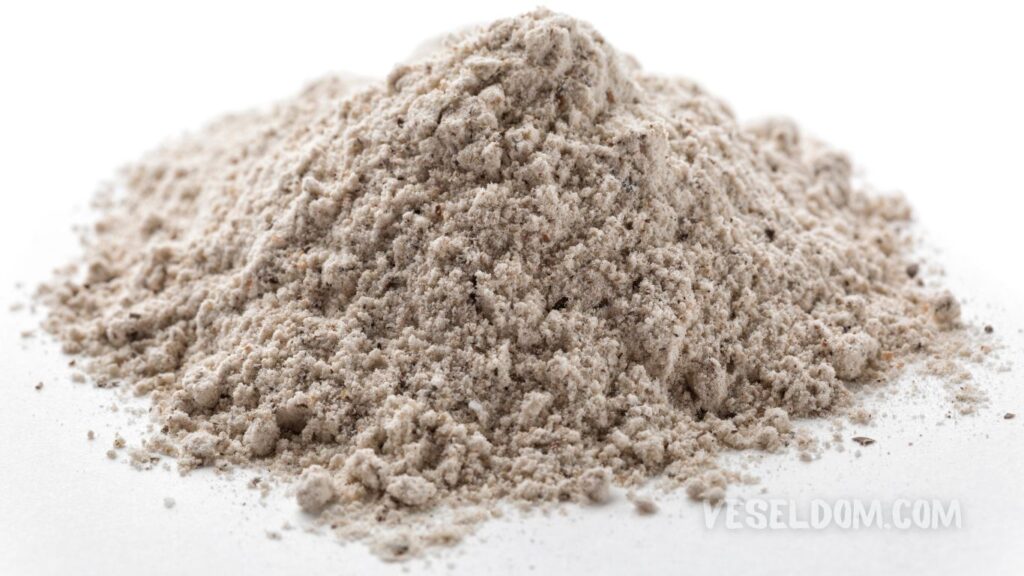
Phosphorite flour is an important source of phosphorus for plants, which contributes to their healthy growth and development. Phosphorus is of particular importance for the formation of the root system, flowering and ripening of fruits. In addition, it increases the resistance of plants to stressful conditions, such as drought or cold.
However, it is important to note that phosphorite flour does not dissolve easily, so it is applied to the soil as such, without premixing with water. It is not recommended to apply it together with lime, as this can lead to a decrease in the effectiveness of the fertilizer and a decrease in its availability to plants.
To achieve the best results, it is recommended to apply phosphorite flour to the soil in winter or spring before sowing or planting plants. This will provide plants with the necessary phosphorus at the beginning of their growth and will contribute to the formation of a strong and healthy plant mass.
Potassium chloride
Potassium chloride is a popular potassium fertilizer in the form of a grayish-orange granular powder containing up to 55% potassium. Potassium is an important macronutrient for plants, as it is responsible for their resistance to stressful conditions, healthy growth and fruit formation.
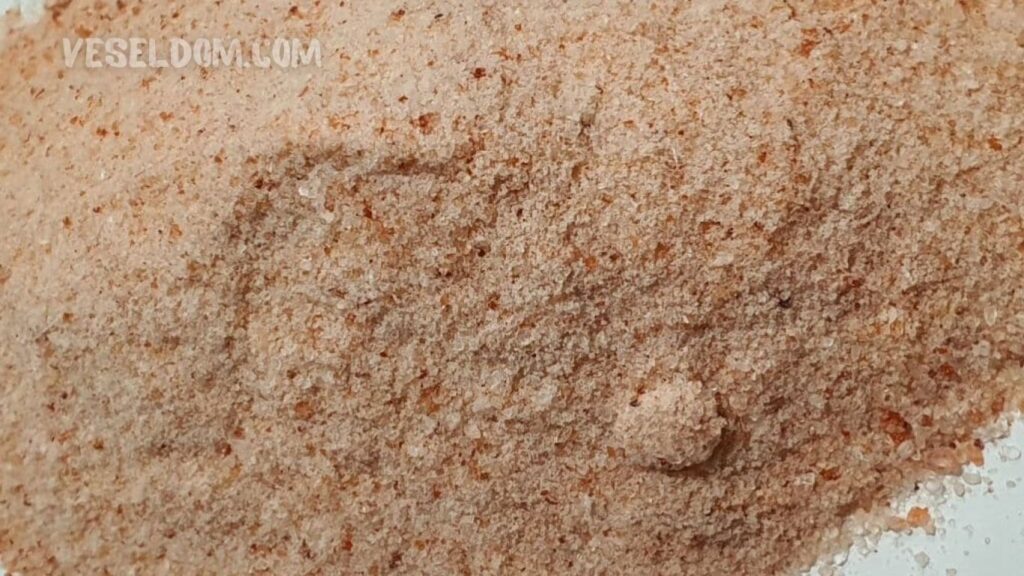
The use of potassium chloride helps to increase the yield of crops and improve the quality of their fruits. In addition, potassium helps to increase the protection of plants against diseases and pests, increases the ability of plants to tolerate drought and cold.
However, it is important to use potassium chloride with caution, as overuse can harm plants. An excess of chlorine can cause physiological disorders in plants, such as wilting of leaf edges, yellowing and leaf fall. Therefore, it is important to strictly adhere to the recommended doses of fertilizer and not to exceed them.
When using potassium chloride, follow the manufacturer’s instructions and the recommendations of agronomists. This will ensure optimal nutrition of plants with potassium and save them from the possible negative consequences of excess fertilizer.
Potassium sulfate
Potassium sulfate is a white or yellowish powder that does not contain chlorine. It is a valuable source of potassium for plants, containing up to 45% of potassium oxide.
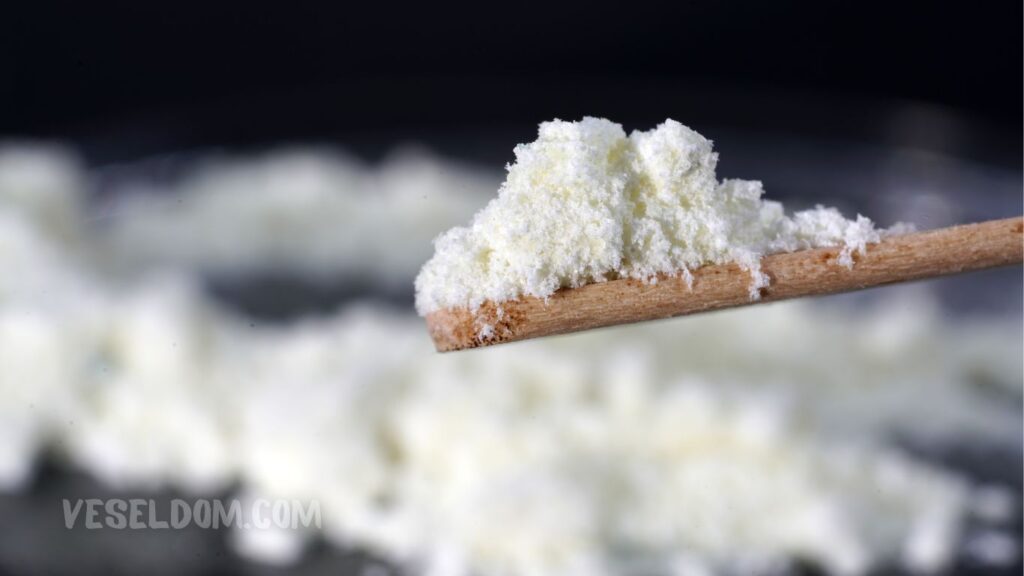
Potassium sulfate dissolves well in warm water, which makes it easy to use it to feed plants. The recommended application rate is 25 g per 1 m2 of land. The use of potassium sulfate helps to increase the resistance of plants to stressful conditions, improve the health of plants and provide them with the necessary level of potassium for healthy growth and development.
A special advantage of potassium sulfate is that it can be used together with other fertilizers that do not contain nitrogen. This allows you to provide plants with all the necessary nutrients without the risk of excessive use of nitrogen fertilizers, which can lead to excessive growth of the vegetative mass behind the grain, as well as to the emergence of problems with the health of plants.
The application of potassium sulfate is recommended for various types of plants, including vegetables, fruit trees, berries and other crops. It is an integral part of the complex nutrition of the vegetable garden and helps to ensure high yield and quality of products.
Calimagnesia or potassium-magnesium fertilizer
Calimagnesia is a pink, large mixture that is made up with ratios of 35% potassium, 15% magnesium, 8% sulfur, and 3% chlorine. It is a complex fertilizer that has several useful components for plants.
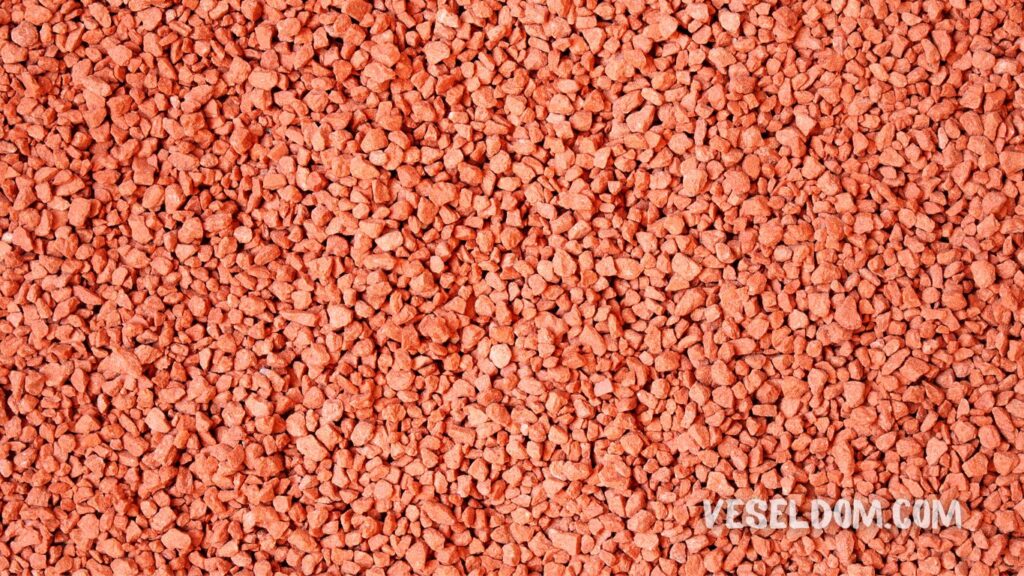
Due to the presence of magnesium and sulfur in its composition, calymagnesia is a highly effective fertilizer, especially for spring application. It provides plants with the necessary nutrients for their healthy growth and development, and also helps to improve the quality of the harvest.
Calimagnesia is well stored and does not absorb moisture, which makes it convenient to use and store. The recommended application rate of potassium magnesia per hectare of land is only 35 g, which makes it possible to use this fertilizer effectively without the risk of excessive application.
Calimagnesia is suitable for a variety of crops, including vegetables, fruit trees, berries and other plants. It can be used as the main fertilizer at the beginning of the growing season, as well as used in combination with other fertilizers for complex garden nutrition. Applying kalimagnesia contributes to a healthy and abundant harvest, which makes it an indispensable assistant for gardeners and gardeners.
Nitroamofoska
Nitroamofoska is a complex fertilizer, which contains the main chemical elements: potassium, phosphorus and nitrogen, which are present in equal proportions – 15% each. This fertilizer is perfectly soluble, but needs careful application due to its property of rapid ignition.
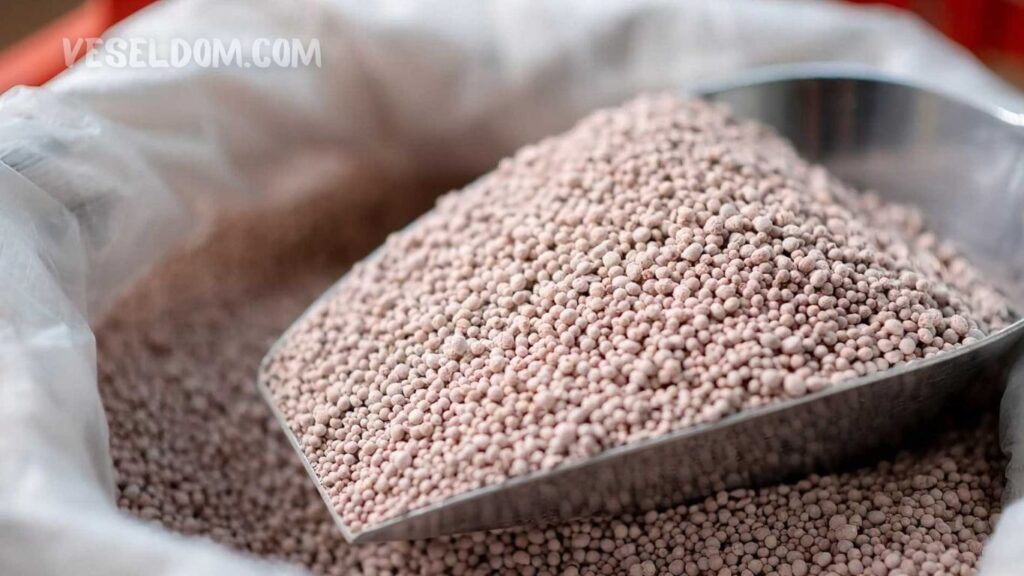
The use of nitroamofoska in the garden can be effective, provided that the recommended norms are followed. For vegetable crops, the recommended application rate is 25 g per m2, and for fruit trees – 65 g per m2. Strictly follow these norms, because excessive use of nitroamofoska can threaten the accumulation of nitrates in vegetables, which adversely affects their quality and safety of consumption.
When using nitroamophoska, it is necessary to follow all safety rules, since this fertilizer can interact with other substances, which can lead to unexpected reactions. Follow the recommended doses and application techniques to ensure optimal growth and development of plants in your garden or vegetable garden.
Conclusion
Complex fertilizers are indispensable helpers of gardeners and gardeners in maintaining soil fertility and ensuring optimal growth and development of plants. They include a variety of chemical elements, such as nitrogen, phosphorus, potassium, magnesium and others, necessary for healthy plant growth.
One of the main advantages of complex fertilizers is that they combine several chemical elements, which allows to provide complex nutrition of plants with all necessary nutrients. Such a balanced combination promotes the growth of healthy and strong plants, which are able to better resist stressful conditions and diseases.
In addition, complex fertilizers are convenient to use, since one grain contains a large amount of necessary mineral substances. They easily dissolve in water, which allows you to quickly and effectively feed plants.
However, it is worth remembering the importance of observing the recommended doses and rules for the use of complex fertilizers. Excessive application can lead to overexpenditure of resources, environmental pollution and negatively affect the quality of products. Therefore, before using fertilizers, carefully read the manufacturer’s instructions and recommendations.
In general, complex fertilizers are a reliable and effective solution for maintaining soil fertility and ensuring healthy plant growth in your garden or vegetable garden. With proper use, they will help you get a bigger harvest and enjoy the beauty and abundance of plants in your green corner.