
Seedlings that have just emerged are most vulnerable to pathogens of the disease called “black leg”. It affects the basal part of the stem, the root neck and the root of a young plant. In the article, we will analyze what a black leg in seedlings means, and how to save the plant from death.
Pathogens and symptoms
Seedlings of tomatoes, eggplants, cucumbers, petunia, cabbage, lettuce, bell pepper are most often prone to this disease.
The causative agents of the disease are fungi, bacteria, viruses living in soil or seeds.
- Fungal form of the disease
Mold of the genus Pythium, Rhizoctonia, Olpidium is constantly present in the soil. The microclimate of greenhouses, greenhouses, greenhouses is most favorable for them. Rapidly developing, they affect the basal part of the stem, which becomes dark green, then gray and black. A distinctive feature is that the root of the seedling rots completely.
Fusarium fungi are deadly for plants. They secrete a poisonous substance that leads to the death of tissues. The stem in the ground is covered with a dark ring of fungus. The upper part of the seedling falls to the ground, but the root remains intact. In 1-2 days, the whole seedling can lie down. It is almost impossible to save her.
- Bacterial form of the disease
The causative agent is bacteria of the genus Ervin, which are found in the upper layers of the soil. They form black or soft rot on the stem. The presence of mucus distinguishes the bacterial cause of the disease from others. The disease develops slowly. Gardeners often find it on an already adult plant.
- Viral form of the disease
It is rare and occurs in plants sprouted from virus-infected seeds. It has the appearance of dry dark spots on the basal part of the stem. Diseased seedlings must be destroyed along with the soil.
Causes of the occurrence and development of the disease
“Black leg” most often affects seedlings at the stages of growth: from the first shoots to the appearance of 2-3 true leaves. The most common reasons are:
- planting material infected with the pathogen, soil;
- too dense planting of seeds, seedlings;
- stagnation of moisture between plants due to lack of drainage, abundant watering;
- poor ventilation of the room with seedlings, greenhouse, greenhouse;
- sudden changes in air temperature.
Both one factor and their combination can contribute to the emergence and spread of the disease.
Disease prevention
“Black leg” refers to the type of plant diseases that are easier to prevent than to treat. Therefore, the gardener is obliged to observe all preventive measures to avoid infection of seedlings. These include:
- disinfection of boxes, pallets, pots for seedlings;
- treating seeds and soil with biological and chemical fungicides, a weak solution of potassium permanganate, wood ash;
- creation of drainage to avoid waterlogging of the soil;
- observing the time of planting seeds according to the type of plant, variety, and climatic conditions;
- regular fluffing;
- creation of sufficient lighting;
- timely thinning and competent picking of seedlings;
- use of root and plant growth stimulants;
- purchase of high-quality, disease-resistant seeds.
In rare cases, prevention is not able to resist the “black leg”.
Treatment of seedlings
If the disease still could not be avoided, there are measures aimed at combating it:
- Prevent the disease from spreading to healthy plants. They are separated from infected ones, treated with fungicides (Fitosporin, Trichodermin, copper-based preparations, colloidal sulfur) or a solution of baking soda (per 1 square meter – 1 teaspoon per 1 glass of water) and transplanted into new, treated soil.
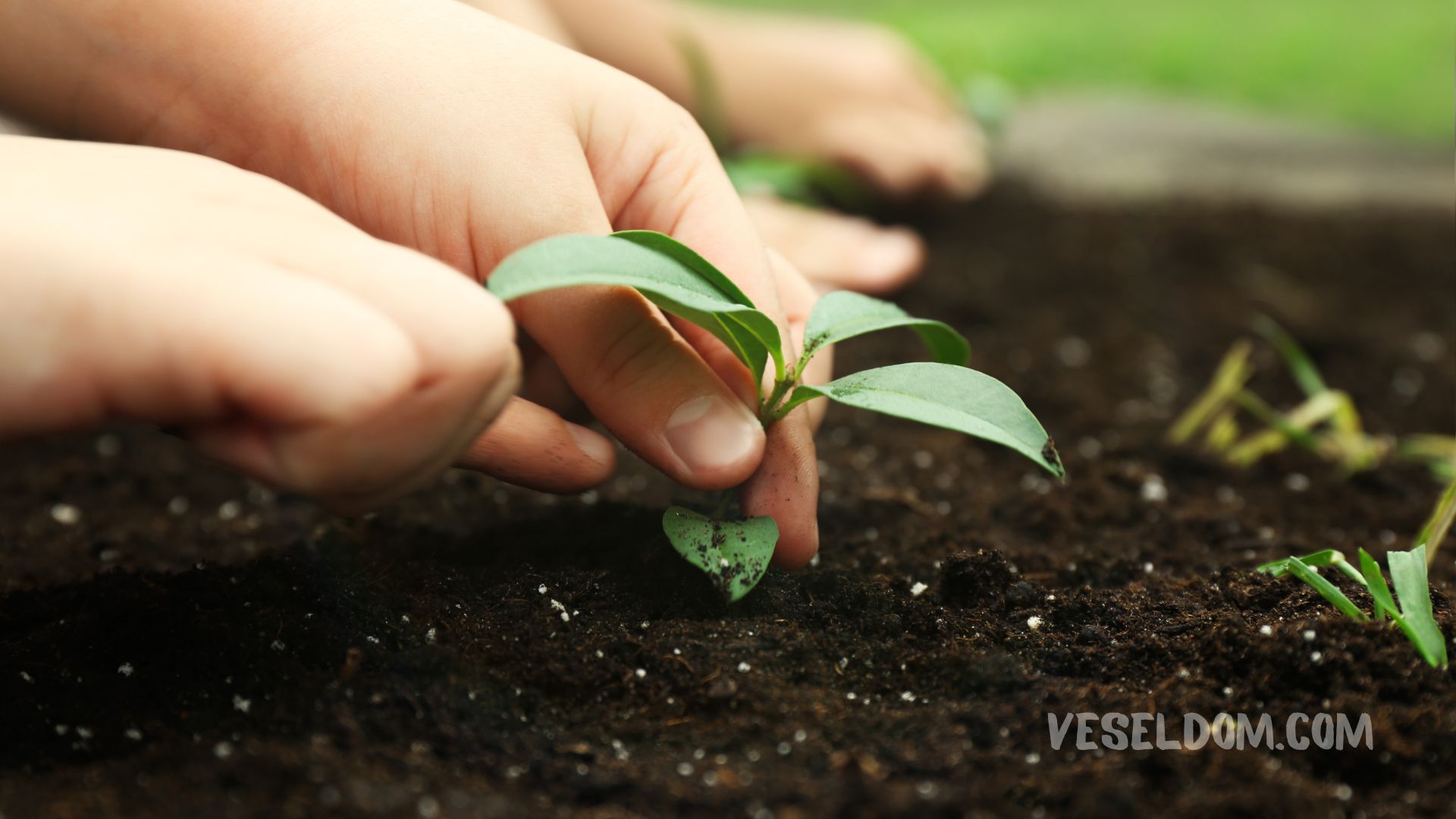
- If the seedlings can already be dived, then they are dived and planted in separate pots.
- Dead seedlings are destroyed, and weakened ones and the soil under them are treated with chemical and biological preparations, a weak solution of potassium permanganate or baking soda.
- To reduce the acidity of the soil and strengthen the immunity of plants, wood ash (1 cup per 1 square meter), dolomite flour, and a thin layer of oven-baked river sand are added.
- If it is impossible to transplant the seedlings into new clean soil, then the infected soil is heated for 15 minutes in an oven at a temperature of over 100 °C. Let it cool down, treat with fungicides, for example, Bactofit, Fitosporin, or wood ash. It can then be reused.
“Black leg” of seedlings is an insidious disease that is not always amenable to effective treatment. Its prevention and prevention is the key to a good harvest in the future.