
Rabbits are raised for various purposes: to obtain warm fur, tender meat or as pets. But rabbit breeders face a number of problems when breeding animals – in particular, ear diseases. Some of them are easy to cure, and some are very difficult to treat or cannot be treated at all. Moreover, there are diseases that pose a danger not only to rabbits, but even to humans. Pasteurellosis in rabbits belongs to this category.
What is pasteurellosis?
Pasteurellosis, also known as hemorrhagic septicemia, is a highly contagious infectious disease that occurs in epizootics or small outbreaks. This disease can affect both eared and livestock of other farm animals and birds.
In case of pasteurellosis, all internal organs are inflamed, which often ends in death. Its symptoms are similar to hemorrhagic disease, coccidiosis, rhinitis and conjunctivitis. It is important to correctly diagnose this disease, because incorrect diagnosis and incorrect therapy only worsen the situation.
Successful management of pasteurellosis in rabbits requires immediate action to control the spread of the disease and ensure proper treatment and care of affected animals. The use of veterinary drugs that effectively fight pathogenic microorganisms is an important aspect in the treatment of pasteurellosis.
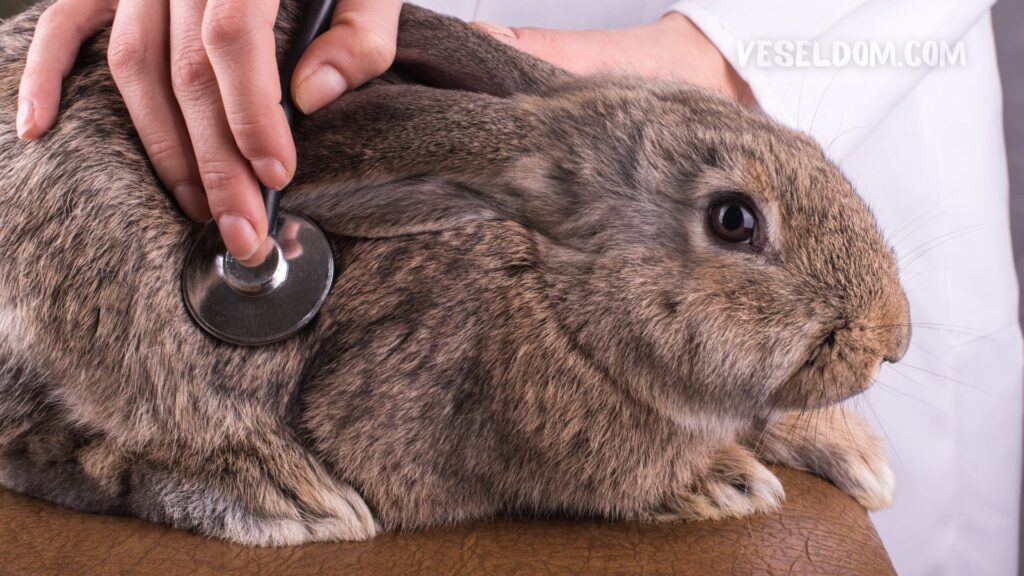
In addition, to prevent the spread of the disease, it is necessary to observe sanitary and hygienic standards in rabbit hutches and their surroundings. Regular medical examinations of animals also help to detect possible diseases in time and prevent their spread.
It is clear that the control of pasteurellosis can be difficult and sometimes require considerable effort, but careful animal care and timely preventive measures can help prevent serious problems and keep your rabbit population healthy.
The causative agent of the disease and how infection occurs
The disease, known as pasteurellosis, was discovered a long time ago. However, its high contagiousness was discovered only in 1878. Louis Pasteur managed to grow the causative agent of pasteurellosis on a nutrient medium outside the body of animals in 1880. On this occasion, the bacterium was named Pasteurella, and the disease was named Pasteurella. In 1881, a scientist of the National Academy of Sciences systematized the knowledge about this pathology and for the first time fully described it.
The causative agent of pasteurellosis is the bacillus Pasteurella multocida (a polymorphic, short, gram-negative, immobile, elliptical bacterium). Sometimes it is called Pasteurella haemolitica.
This bacterium is localized on the mucous membrane of the upper respiratory tract of animals.
Pasteurella can be stored and remain viable for some time in various conditions. For example, it retains its stability in cold water, pus and blood for up to 20 days, in cadaver material – up to 4 months, and in frozen meat products it can stay up to 1 year. On the galvanized mesh of the rabbit cage, the stick remains viable for up to 25 days, and on wooden materials – up to 2 months.
Regarding the methods of destroying pasterella, it is worth noting that the following factors affect it:
- Direct sunlight destroys it in a few minutes.
- A temperature of 70-90°C can destroy Pasteurella in 10 minutes.
- A 5% solution of carbolic acid can neutralize Pasteurella in 1 minute.
- 5% lime solution – destroys pasteurella in 5 minutes.
Pasteurella are also destroyed with the help of disinfectants that contain chlorine, caustic soda and sulema solution.
Prevention of the spread of pasteurellosis includes compliance with sanitary and hygienic standards in rabbit houses, regular medical examinations of animals, as well as taking measures to prevent contact with infected animals and materials. Such measures will help preserve the health and well-being of your rabbit population.
Mechanism of influence
Once in a favorable environment for reproduction, Pasteurella begin to actively multiply, spreading throughout the body through the blood and lymph flow, which leads to septicemia. The action of rods and their waste products can lead to damage of vascular walls, causing hemorrhagic diathesis and subcutaneous edema.
A particularly serious threat are toxic products secreted by Pasteurella, in particular aggressive endotoxins, which suppress the resistance of the organism affected by the stick. Scientists distinguish four groups of Pasteurella – A, B, D, E, each of which emits its own exotoxins.

Septicemia caused by the spread of Pasteurella throughout the body can lead to complications and threaten the life of the animal. Hemorrhagic diathesis and subcutaneous edema are characteristic signs of the disease and can help in diagnosis.
Since endotoxins are the main cause of suppression of the immune system, it is important to research and develop methods to control pasteurellosis aimed at reducing toxicity and increasing the immunity of the animal’s body. In addition, careful observance of hygiene standards in rabbit houses and preventive measures can help prevent infection and spread of pasteurellosis among livestock.
The source of pasteurellosis
Sick animals and carriers of the causative agent (individuals who have fallen ill before) release pasteurella with feces, urine, mucus when coughing, sneezing, blood or milk.
Ways of infection
Pasteurellosis can be transmitted aerogenously (infection of the pathogen into the animal’s respiratory tract) or alimentary (through contaminated food).
Factors contributing to Pasteurella infection:
- Reduction of animal body resistance.
- Malnutrition.
- Failure to maintain hygiene and cleanliness when keeping animals.
- Movement of animals without taking into account preventive measures against pasteurellosis.
- Feeding pets with insufficiently neutralized waste or contaminated products.
- Non-compliance with quarantine measures (direct contact between healthy and sick animals).
- Stress, transportation, regrouping, sudden change in the conditions of keeping animals.
Seasonality
Pasteurellosis can be registered throughout the year.
Susceptibility
Pasteurellosis can infect rabbits of various breeds and ages, all types of farm animals (especially buffalo, cattle) and birds such as chickens.
Horses and carnivores show high resistance to pasteurellosis.
Prevention of the spread of pasteurellosis includes compliance with hygienic standards in rabbit houses and other kept animals, carrying out quarantine measures for new animals, as well as preventive vaccination to reduce the risk of infection.
Forms of the disease
The first faint signs of the disease may appear 5-10 hours after infection with Pasteurella. However, the incubation period can last even several days, depending on the state of the animal’s immunity and the infectivity of Pasteurella. When earwigs are affected by highly virulent strains, the disease can proceed acutely or extremely acutely, and less often – subacutely and chronically.
Acute form of the disease:
- Decreased appetite or its complete absence.
- Weakness.
- An increase in temperature to 41°C or more (before death, the temperature can drop sharply to 33°C).
- Cold.
- Sneeze.
- Complicated and frequent breathing.
- Diarrhea is possible.
The rabbit may become weak and die within 1-3 days.

The chronic form of the disease is diagnosed on farms that are not conducive to pasteurellosis and can manifest itself with the following symptoms:
- Purulent rhinitis.
- Conjunctivitis.
- Keratoconjunctivitis.
- Difficulty breathing.
- The presence of abscesses under the skin (they can open after 45-90 days and cause septic complications).
- Diarrhea (but it may be absent).
Without proper treatment, atypical pneumonia can develop, which can lead to death.
The subacute course of the disease is a consequence of the exacerbation of the chronic form. It is characterized by severe complications, such as bronchopneumonia, croup pneumonia and pleurisy.
The hyperacute course of the disease is characterized by the fact that animals die almost without symptoms. It can be particularly dangerous because it does not allow time for timely diagnosis and treatment.
External signs of pasteurellosis
External signs of pasteurellosis in rabbits include the following symptoms:
- Sneeze.
- Complicated breathing with wheezing.
- Lethargy and loss of activity.
- Apathy and disinterest in others.
- Inflammation of the eyelids and eyes.
- Purulent eruptions in the nose and mouth.
- Discharge from the nose.
These signs may manifest themselves to varying degrees depending on the form of the disease and the state of the rabbit’s immune system. It is worth paying attention that pasteurellosis can have various clinical manifestations, which can be acute, subacute or chronic.

If you notice similar symptoms in your rabbits, it is important to contact your veterinarian as soon as possible for an accurate diagnosis and appropriate treatment. Early detection and proper treatment of pasteurellosis can save lives and improve the prognosis of the disease. In addition, preventive measures, such as vaccination and maintaining hygienic standards of animal husbandry, can help prevent the spread of the disease among the rabbit population.
Pathological anatomical changes
The spleen, liver, kidneys, affected areas of the lungs with lymph nodes and tubular bone are sent for laboratory examination. Carcasses of small animals are sent intact. The research uses material from parenchymal organs, affected lungs, and lymph nodes with swollen tissues. Smears are made and stained by Gram or Romanowski-Giemsa methods to reveal typical bipolar stained ovoid rods. Microscopy of fresh blood has important diagnostic value. Bacteriological research and bioassay are carried out.
Characteristic pathological signs for acute and subacute forms:
- Hemorrhagic diathesis.
- Multiple hemorrhages on serous and mucous membranes.
- Enlarged and swollen dark red lymph nodes.
- Fibrinous infiltrates may be observed under the skin.
- The size of the spleen can exceed the norm by 3 times.
- Swelling and signs of pneumonia are noticeable in the lungs.
Characteristic pathological signs for subacute and chronic forms:
- Exhaustion of the body.
- The lungs may have a grayish-red color with a yellow tint and areas of necrosis.
- Serous covers can be covered with dense fibrinous thickenings.
- Lymph nodes may contain hemorrhages and be red.
- The liver and kidneys may decrease in size, have a grayish-yellow color and areas of necrosis.
- The spleen can be almost unchanged.
The described pathological changes are important for diagnosing pasteurellosis and determining the form of the disease, which helps the veterinarian to choose an appropriate treatment plan.
How to treat sick rabbits
For rational therapy, a correct diagnosis is necessary, which is made on the basis of symptoms, the disclosure of the epidemiological situation and a positive bacteriological analysis for pasteurellosis in the veterinary laboratory.
Treatment algorithm:
- Polysepsin (immune serum) is administered to all contact animals that do not have symptoms of the disease to provide immune protection.
- Sick rabbits are immediately isolated to prevent the spread of infection.
- After the final diagnosis, the veterinarian prescribes appropriate therapy.
Therapy of pasteurellosis in rabbits usually includes the appointment of antibiotics that effectively fight Pasteurella. It is important to follow the recommendations of the veterinarian regarding the dosage and duration of treatment.
Also, avoid stressful situations for the animals and provide them with proper care, as this will promote a faster recovery. Careful observance of hygienic standards for the keeping of rabbits and their living conditions is also important for the prevention of the spread of infection and the protection of healthy animals.
In general, a veterinarian should be involved in the treatment and control of the disease to ensure proper care and successful recovery of rabbits.
Medicated
In veterinary practice, sulfonamide and antibacterial drugs such as Neomycin, Biomycin, Oxytetracycline, Levomycetin, Norsulfazole, Tetracycline, Sulfadimezin are widely used for the treatment of pasteurellosis. With timely diagnosis in the early stages of the disease, animals can be successfully cured.
Acute form (examples of treatment regimens used in practice):
- Single intramuscular injection of Terramycin at the rate of 1 ml per 1 kg of body weight or Oxytetracycline at a dose of 20 mg per 1 kg of body weight.
- Two injections of Biomycin intramuscularly with an interval of 20 hours, 1 ml per 1 kg of body weight.
- Oxytetracycline or chlortetracycline is injected intramuscularly using a syringe: 10-15 thousand units per 1 kg of body weight 3 times a day for 3-5 days.
- You can use tablet forms, such as norsulfazole, sulfadimezin, etazol – 1/4 tablet per rabbit 3 times a day.
- Addition of oxytetracycline, neomycin, sulfapyridazine (20 mg each) to food. You can use complex combinations, for example: oxytetracycline (20 mg) + norsulfasol (300 mg); tetracycline (20 mg) + sulfapyridazine (100 mg); chloramphenicol (20 mg) + sulfapyridazine (100 mg) at the rate of 1 kg of live weight per day for 3-10 days.
- Aerosol forms of medicines are used for treatment (sprinkling of rabbit houses) – chloramphenicol, neomycin, oxytetracycline – spray 1.5-2.0 g of spray per 1 liter of air – once a day for 5 days (exposure – 60 minutes).
Chronic form. Staged therapy is used:
- From the 1st to the 3rd day of treatment – administration of sulfonamide drugs.
- From the 4th to the 6th day – antibiotics.
- From the 7th to the 9th day – sulfonamides.
- According to evidence, from the 10th to the 12th day – antibiotics. The dosage of drugs is calculated according to the instructions for them.
In order to achieve better treatment results and prevent the further spread of infection, it is important to strictly follow the recommendations of a veterinary specialist. Also, pay attention to preventive measures, ensuring proper care and hygiene of keeping rabbits.
Folk means
Pasteurellosis in rabbits is a highly contagious quarantine disease. It is worth noting that the proven and effective methods of treating pasteurellosis include only a medicinal approach, according to the strict instructions of the veterinary service. Folk remedies are not effective in the fight against this disease, and their use is not recommended. Veterinarians provide proper care for infected rabbits and develop individualized treatment plans for maximum effectiveness.
Prevention of pasteurellosis and vaccination
As you know, it is better to prevent a disease than to deal with its consequences. To prevent pasteurellosis, a number of preventive measures are taken:
- Vaccination against the disease: Vaccination of rabbits against pasteurellosis is an effective method of prevention. Special vaccines are used on the instructions of a veterinary specialist, which help reduce the risk of the disease and make the course of the disease easier.
- Regular cage cleaning: Maintaining cleanliness and regular rabbit housing hygiene are important factors in preventing infection.
- Carrying out current disinfection on a permanent basis: Regular disinfection of the rabbit hutch, inventory, and other premises helps to prevent the spread of infection.
- Feed quality control: Ensuring the quality of feed and water is important for keeping rabbits healthy and preventing disease.
- Compliance with quarantine measures: When importing new livestock to the farm, quarantine measures should be followed, which will help prevent the introduction of infection on the territory of the farm.
- Periodic examination of animals to detect individuals with symptoms of the disease: Regular examination of rabbits allows timely detection of signs of the disease and the appointment of appropriate therapy.
To localize the pathology and avoid the spread of the disease:
- All eared dogs in the region are registered for veterinary registration.
- Livestock are inspected daily for the timely detection of animals suspected of having a disease.
- If a disease is suspected, treatment and isolation of sick animals is immediately prescribed.
- Complete disinfection of the rabbit hutch, equipment, and staff clothing is carried out. Effective disinfectants are used to fight pathogens.
- Hands should be thoroughly washed before and after contact with livestock, and disinfectants should be used.
After lifting the quarantine, vaccinate the eared ones against pasteurellosis during the year. When importing new livestock from a problem region, vaccination should also be carried out before their introduction to the farm.
Vaccine against rabbit pasteurellosis
Nowadays, a vaccine against pasteurellosis is widely used, which is called “extract formalin”. Unfortunately, this method of vaccination can only be used for rabbits older than 45 days.
For younger livestock, the introduction of pasteurellosis serum is recommended every week, at the rate of 4 ml per 1 kg of live weight. This method helps to maintain the immunity of young rabbits and reduces the risk of contracting the disease.
Vaccination is an effective preventive measure against pasteurellosis and helps preserve the health and life of rabbits at the age when they are most vulnerable to this disease. Veterinary specialists will be able to provide detailed information on vaccination and the optimal vaccination schedule for each flock depending on the age and other individual characteristics of the rabbits.
Is it possible to eat the meat of sick animals?
The causative agent of pasteurellosis is dangerous for all types of animals, including humans. It usually enters the human body through the skin during insect bites or scratches. It is also possible to become infected with pathogenic microbes through the consumption of meat from sick rabbits.
Despite the claim that the high temperature during cooking destroys disease-causing bacilli, the meat of sick rabbits cannot be eaten. It is also forbidden to feed such meat to other pets.
Despite the pathogenicity of Pasteurella, the disease they cause can be prevented. To do this, you need to keep rabbits clean, feed them properly, give them vitamin and mineral supplements to strengthen their immunity and treat them with love. A person is responsible for his pet and only he can help him protect himself from the aggressive influence of the external environment.
Therefore, in order to avoid the risk of infection, it is necessary to observe the correct conditions for keeping rabbits and not to eat the meat of sick animals. Such simple measures will help to maintain health both for your pets and for yourself.