
The May garden is a wonderful place where you can confidently plant a variety of vegetable crops both as seedlings and by simply sowing seeds immediately in open ground. Let’s consider which crops can be planted in open ground in May. Among the most popular crops for planting in late spring are zucchini, pumpkins, turnips, radishes, beets, carrots, and others. It is already warm enough in May, so any seed will germinate well and allow you to get a rich harvest. The exception is plants that are grown through seedlings that were prepared in winter (for example, pepper).
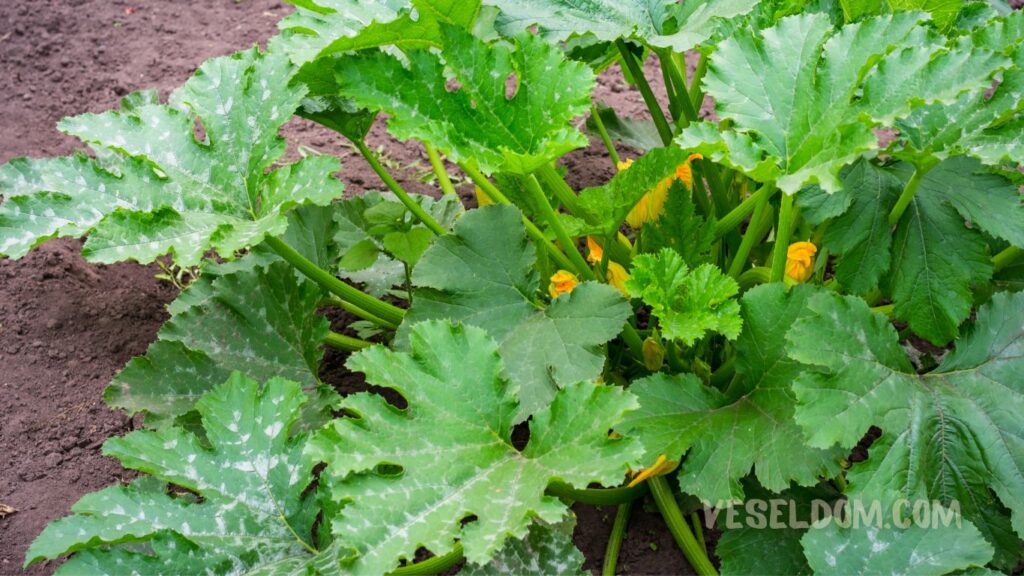
Zucchini
Throughout May, you can sow zucchini varieties for summer food, and at the end of the month you can start planting varieties that are planned to be stored for the winter. For the successful growth of zucchini, the soil must be nutritious. It is recommended to add a little sawdust and ash to heavy clay or chernozem soil to improve its structure. To avoid cross-pollination and preserve the taste of the harvest, it is important to avoid the neighborhood of zucchini with pumpkins and squash.
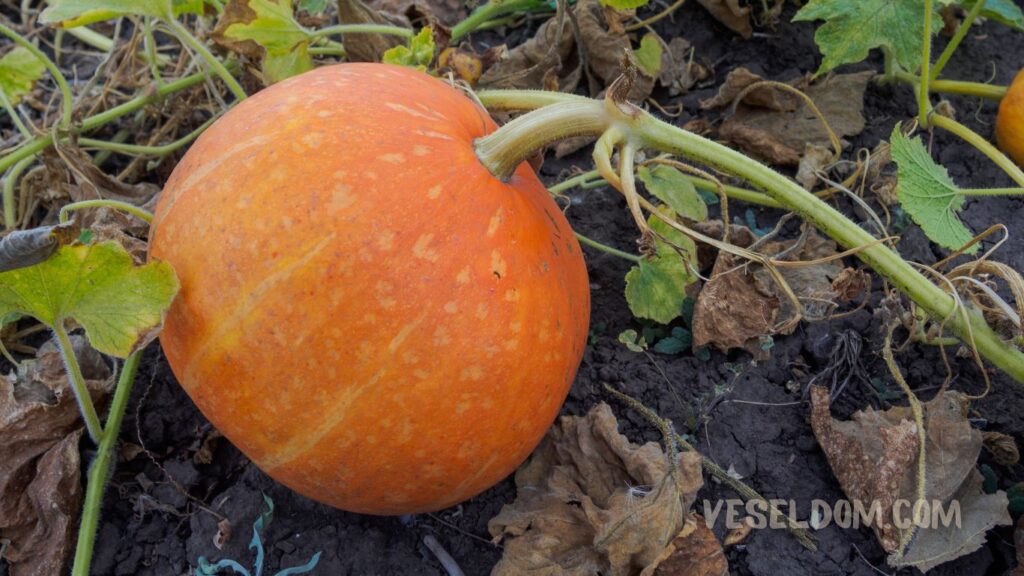
Pumpkin
You should not delay the sowing of pumpkins, because for its successful development and early, high-quality fruiting, the duration of the daylight hours is less than 12 hours. Therefore, the closer the pumpkin is planted to the beginning of May, the better. Pumpkin needs moist and fertile soil with a neutral reaction. The planting scheme depends on the variety:
- Bush varieties are planted with a distance of 70 cm between plants in a row and between rows.
- Medium-stem varieties require a distance of 70 cm between plants in a row and 1.5 m between rows.
- Long-stemmed varieties need a distance of 1 m between plants in a row and 1.5-2 m between rows.
You should not plant a pumpkin on the same bed for two seasons, it is better to choose onions, various types of greens and solanaceous as its predecessors. To make the most of the free space on the beds, you can plant dwarf corn or beans together with the pumpkin.
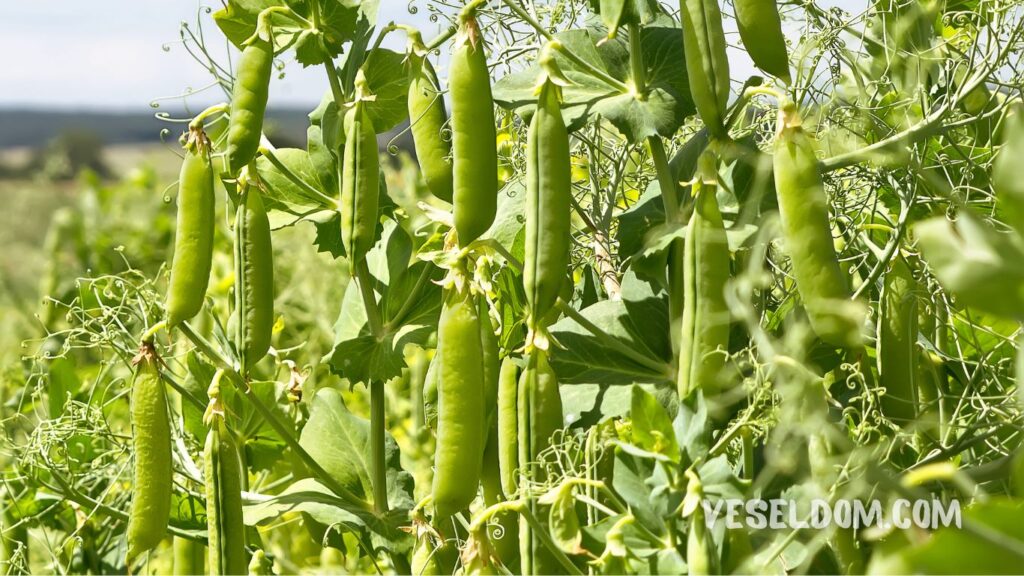
Green peas
Green pea varieties are divided into sugar peas, where the peas are eaten fresh, often with the pods, and shelled, where the pods are not consumed and the peas are usually dried or canned. All of them are insensitive to frost, so sowing seeds is recommended at the very beginning of May. Pea beds should receive enough sun and be protected from strong winds. Peas are buried to a depth of 2-4 cm, with a distance of 4-6 cm between plants in a row and 50-60 cm between rows.
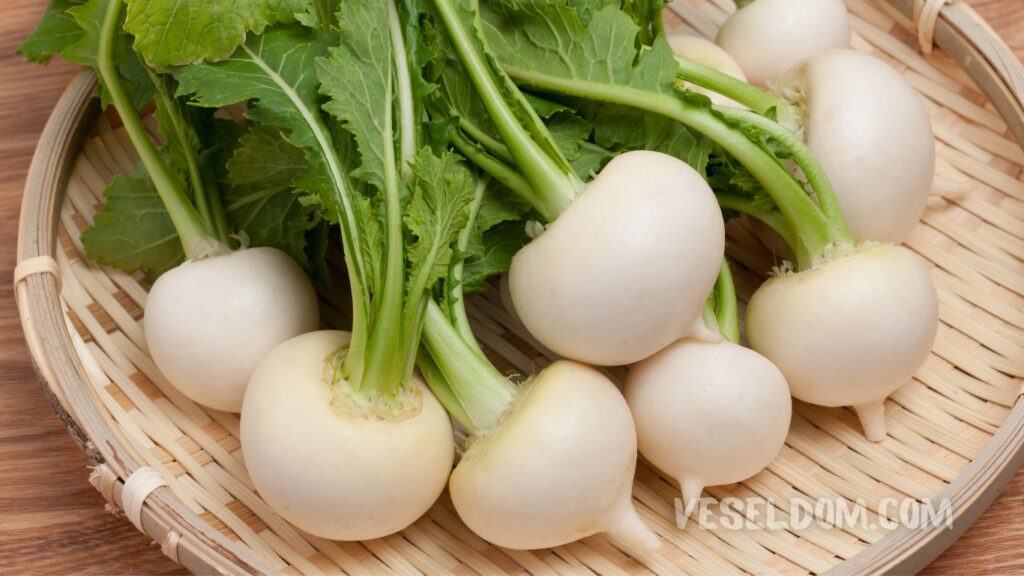
Turnip
Turnip is not afraid of frost, so it can be sown until May 10. One of the advantages of early sowing is the prevention of damage to the main turnip pest – the cruciferous flea. Ripe is suitable for any soil, except for clay. It is recommended to avoid planting turnips next to relatives from the cruciferous family to avoid overlapping. Tiny turnip seeds are sown, mixing them with sand, in grooves 1.5-2 cm deep with a distance of 10 cm between them and 20-30 cm between rows.
Radish
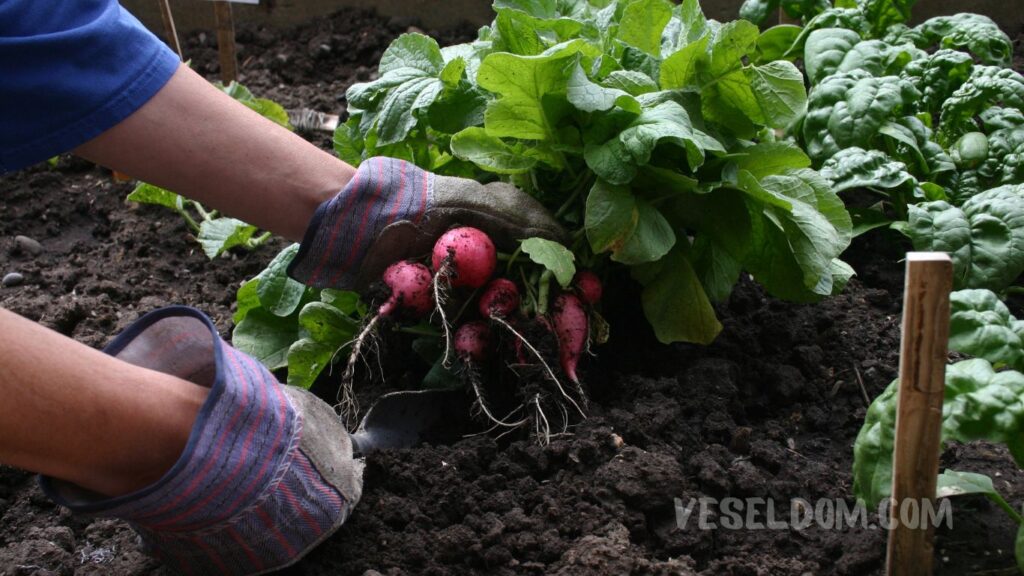
Radish, like pumpkin, does not tolerate long sunny days, because it is engaged in the formation of arrows instead of fruit development. However, it is possible to protect the beds with breathable materials after 5 o’clock in the evening or to sow radishes in the first half of May. Radish care is simple and includes the following steps:
- If there was not enough rain during the day, you should water the radish in the evening.
- Every 3-5 days loosen the soil on the radish beds and remove weeds.
- It is recommended to apply fertilizers such as compost, humus, superphosphate, wood ash and potassium fertilizer twice during the growing season.
In order to have fresh radishes on the table for a long period, it is worth sowing varieties with different ripening periods, which vary from 20 to 45 days, on one bed.
Carrot
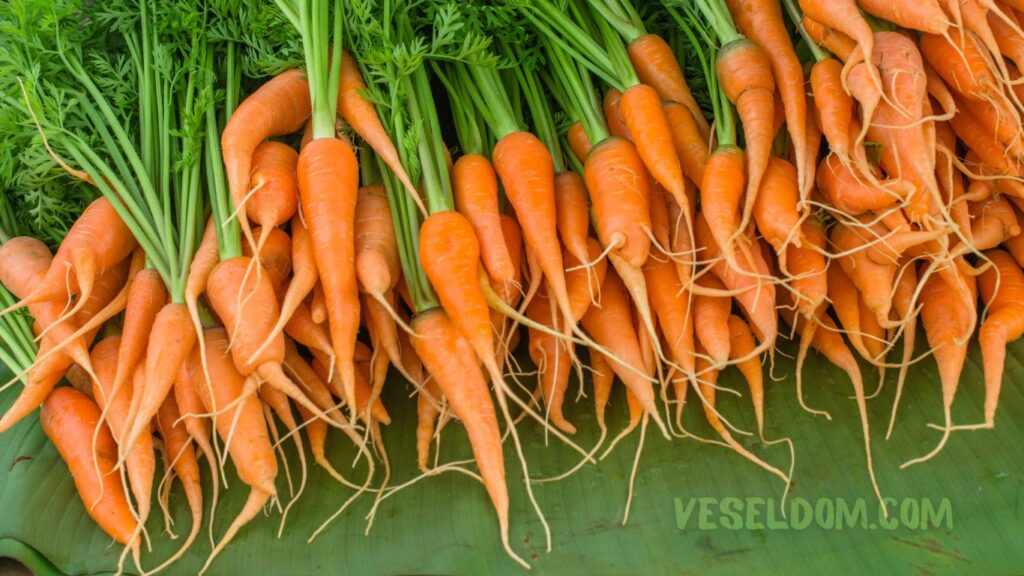
Medium-ripe carrot varieties are recommended to be sown by May 15, and late-ripening varieties – until the end of the month. Seeds are placed in grooves 2 cm deep, with a distance of 1.5-2 cm between seeds and 15 cm between rows. After sowing, the seeds are covered with a layer of soil and carefully watered. It is important not to compact the soil, as carrots need an air-permeable environment. If necessary, a small amount of sand can be added to the bed to lighten the soil.
White cabbage
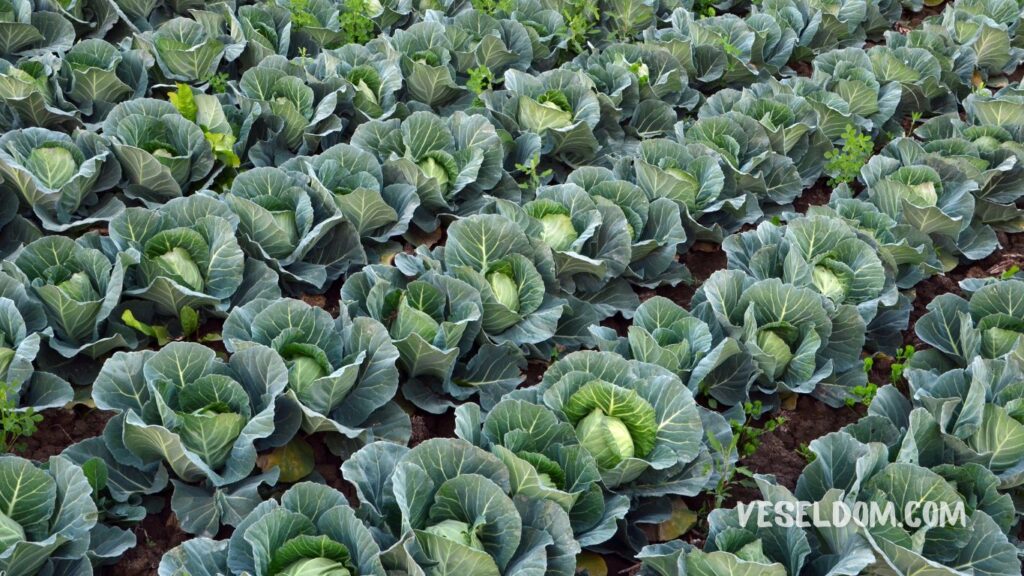
In the first half of the month, holes are made in the beds and 6-7 seeds are sown, providing an additional supply. When the seedlings bloom and grow 2 true leaves, they need thinning, leaving the strongest 2 plants for each planting hole. After the appearance of the third leaf, by the end of the month only 1 seedling remains for each hole. It is important to remember that cabbage needs sufficient soil moisture (70-75%) before the formation of cobs. Regularly loosen the soil between the rows every week, until the leaves close.
Beet
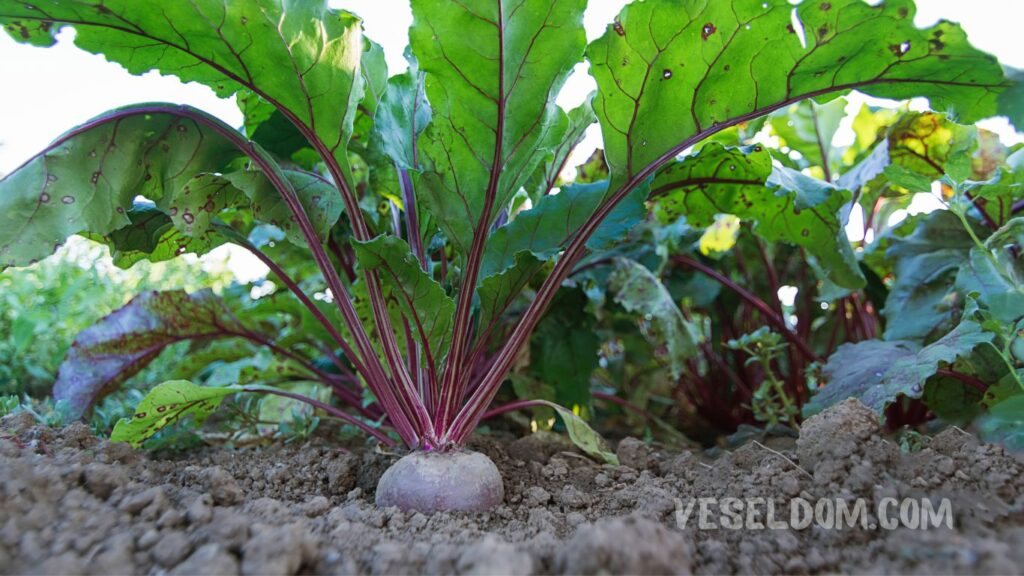
This root crop requires heat, so it is better to sow in the third decade of the month. Beet beds should be fertile, with a sufficient amount of humus and good lighting. Seeds are placed in grooves 3-5 cm deep at a distance of 5 cm from each other and 20 cm between rows. During the growth of plants, the following recommendations should be followed:
- After the appearance of the first pair of leaves, leave 1-2 strong seedlings at a distance of 3-4 cm, and elongated plants can be transplanted to another bed.
- When there are 4-5 pairs of leaves, thin out the plants, leaving 1 plant per 8 cm.
- At the “twig” phase, you can add ammonium nitrate to feed the plants.
- When closing the leaves in a row, it is recommended to apply fertilizer with nitrophoska.
- When closing the leaves in the rows, it is useful to feed the plants with boric acid, applying it to the leaves.
Conclusion
In order to prevent the impact of capricious May weather on weak seedlings of crops, it is recommended to choose varieties from zoned samples. These varieties have genetic adaptation to local soil and climate conditions, which allows them to be more resistant to unpredictable weather changes. Choosing such varieties will help ensure successful growth and yield in your garden, reducing the risk of adverse weather conditions. Pay attention to gardening tips and grower recommendations for suitable varieties for your region, and enjoy healthy and delicious vegetables from your garden all season long.