
Sometimes, among the usual eggs in the chicken coop, you can find “something” – an egg that does not have a shell. It is protected only by an elastic film that prevents spreading. Any mechanical impact breaks this shell. Let’s consider why eggs without a shell appear in chickens, whether such eggs can be consumed and whether the birds need treatment.
Reasons for the absence of a shell
The absence of a shell in eggs is not the norm. It signals a violation of some functions and systems of the bird’s body.
The main reasons include:
- Poor diet: An improperly balanced or insufficient diet can lead to a deficiency of necessary minerals and vitamins, which affects the formation of the shell.
- Hormonal failure: Hormonal imbalance can cause deviations in the process of shell formation.
- Improper housing conditions: Poor housing conditions, such as insufficient lighting, uncomfortable nests or stressful situations, can affect shell formation.
- Chicken diseases: Some diseases, especially those affecting chicken health and metabolism, can affect shell quality.
It is necessary to correctly determine the cause and eliminate it, for which it is important to analyze the conditions of keeping chickens, their nutrition and the presence of infections. A consultation with a veterinary specialist can be helpful in making the correct diagnosis and choosing the optimal treatment plan.
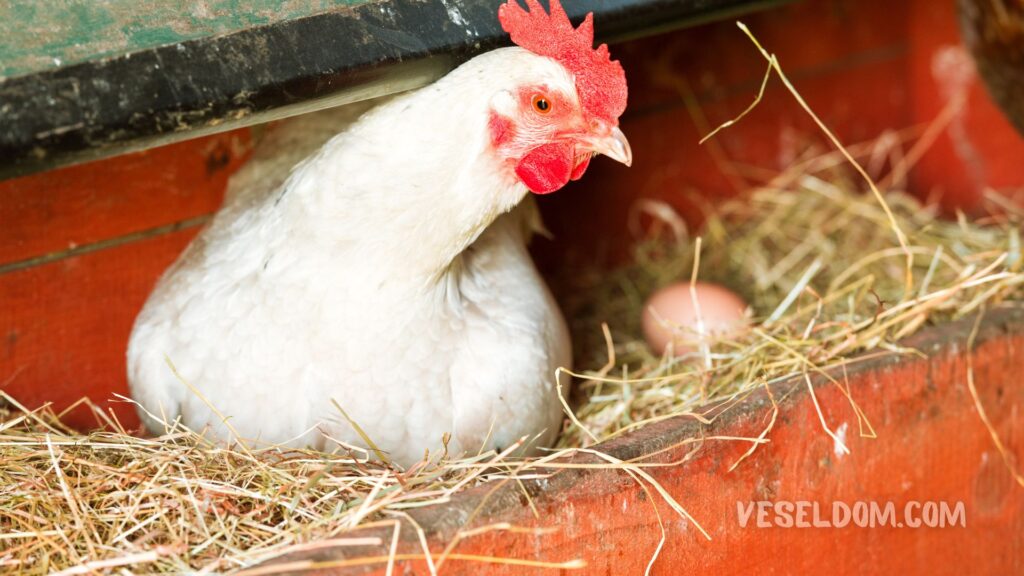
It is also worth noting the frequency of appearance of “non-standard” products, as this will help determine the severity and nature of violations. Adhering to the correct diet, ensuring optimal housing conditions and regular monitoring of the health of the birds can help prevent problems with the formation of shell in chicken eggs.
Poor diet
The most common mistake in feeding chickens by beginners is the belief that they are completely unpretentious. In this case, the diet may consist of products with insufficient nutrients:
- leftovers from the table;
- vegetable and fruit cleaning;
- grain crops.
In the listed components there is very little of the main “building material” for the formation of the eggshell – calcium. This deficit forces the bird’s body to compensate for it at the expense of its own reserves, in particular, bones.
It is worth paying attention to the behavior of birds and evaluating their appearance. If the birds are lethargic, inactive, move little, and their ring is soft to the touch, the reason may be an insufficiently balanced diet.
To ensure optimal health and performance of chickens, it is important to balance the diet and include a sufficient amount of calcium. This can be achieved by adding rock crystal, ground chalk or shell meal to the feed. In addition, the diet should contain a variety of nutrients, including proteins, carbohydrates, vitamins and minerals, which help to maintain the health of the bird and the normal formation of the eggshell. Before making any changes to the diet of chickens, it is recommended to contact a veterinary specialist or an experienced poultry farmer for advice.
Hormonal failure
The formation of the ovum, its movement along the oviduct and the formation of the shell are the result of a complex interaction of hormones and the central nervous system.
The serious stress faced by hens can affect the production of hormones and, as a result, the egg-laying process. Hormonal disturbances caused by stress can lead to a temporary cessation of ovulation or the formation of “non-standard” eggs.
To reduce stress in chickens, it is necessary to provide them with comfortable living conditions, ensure a proper schedule of feeding and water supply, and also prevent overcrowding in the chicken coop. Additional support can be the use of special feed additives that help relieve stress and improve hormonal balance.
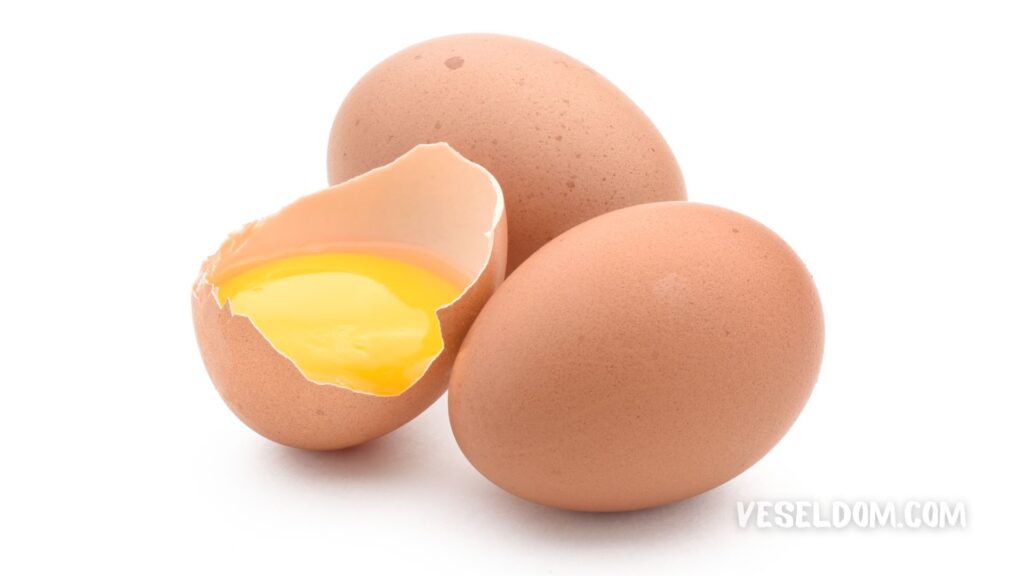
If the problem with hormonal regulation continues, it is worth contacting a veterinary specialist who will be able to conduct a detailed analysis and suggest the necessary measures to normalize the hormonal background in chickens.
Incorrect conditions of detention
Even in the presence of a sufficient amount of nutrients and the absence of stressful situations, a hen can lay eggs without a shell. This phenomenon is most often observed in birds that are kept in closed chicken coops or in cages.
The lack of sunlight and fresh air negatively affects the production of vitamin D and the assimilation of calcium associated with it. As a result, the bird may suffer from a hidden deficiency of these elements and lay eggs of insufficient quality.
To prevent this problem, it is important to provide chickens with proper housing conditions. Chicken coops should be well lit, provided with fresh air and access to outside space if possible. Additionally, sources of vitamin D and calcium, such as chicken shells or calcium supplements, should be included in the diet of chickens.
It is important to consider that eggs without a shell are a deviation from the norm and may indicate problems with keeping and feeding the bird. In case of constant detection of such eggs, it is recommended to contact a veterinary specialist for consultation and diagnosis of possible causes.
Diseases of chickens
One of the most difficult aspects in terms of diagnosis and treatment is the infection of chickens with certain viruses that affect laying.
Such diseases include:
- Syndrome of reduced fertility. This disease is most often observed in free-range poultry. The main route of infection is the consumption of infected excrement and mucus, which enters with feed. The syndrome of reduced egg production leads to a decrease in the productivity of chickens, the appearance of deformed or non-standard eggs, as well as to a soft state of the shell.
- Newcastle disease. This is a serious disease that affects all the internal organs of the bird. The disease is difficult to diagnose, as it can be disguised as less serious diseases. It is transmitted through contact, airborne droplets and other ways. In connection with the high contagiousness of the disease and the difficulties in the treatment of sick individuals, their destruction is usually carried out, and healthy chickens are vaccinated. The appearance of eggs without a shell can be attributed to an atypical form of the disease that occurs in vaccinated birds.
- Infectious bronchitis. This disease is characterized by damage to the respiratory organs. It can occur at the initial stage of laying and lead to a decrease in the productivity of the bird, a violation of the development of the ovary and fallopian tube. This can result in soft eggs without shells. If the hen becomes apathetic, has trouble breathing and discharges from the eyes, infectious bronchitis can be one of the possible causes of problems with the formation of eggs.
If you suspect one of these infections, it is recommended to consult a veterinary specialist for a more accurate diagnosis and selection of the correct method of treatment.
Solution for the problem
After identifying the causes of the appearance of soft eggs, you can proceed to their elimination.
One of the simplest ways is to change the diet of chickens, including the following components:
- Chalk is a rich source of calcium, which is necessary for the formation of the shell.
- Turtles – also contain calcium and are a useful addition to the diet.
- Crushed eggshell is an additional source of calcium that helps avoid calcium deficiency.
- Wood ash – contains minerals, including calcium, and can be a useful addition to the diet.
- Special ready-made supplements are products available on the market designed to support chicken health and shell formation.
- Greens in summer and vegetables (carrots, cabbage, pumpkin) in winter are sources of vitamins and minerals that support bird health.
The diversity of the diet of chickens allows you to avoid a significant deficiency of any element and contributes to the general health of the bird.
If the reason for the appearance of “strange” eggs is a hormonal failure, it is important to stop the impact of stressful factors on the bird or contact a veterinary specialist. The correct scheme of treatment, the use of appropriate drugs, will help to restore the normal functioning of the reproductive system of chickens.

Chickens need walks in the fresh air in the warm months, and in winter, the lack of sunlight can be compensated by artificial lighting, increasing the duration of the daylight hours with the help of an automatic timer that minimizes deviations in the duration of the waking period.
If the disease is suspected, the bird should be isolated from the rest of the flock to avoid the spread of the virus. It is important to get an accurate diagnosis from a veterinarian, who will also be able to choose the necessary treatment.
To prevent the appearance of infections, it is recommended to regularly carry out preventive measures:
- Ensuring proper conditions and places for keeping poultry. It is important to avoid basic mistakes in care, which can lower the immunity of chickens. Regularly disinfect the places where the birds are kept, clean the chicken coop, change the bedding and remove the remains of the old feed.
- Poultry vaccination according to the schedule for each virus. This procedure will help prevent significant livestock losses.
- Organization of nutrition with high-quality feed, which reduces the risk of introducing viruses and bacteria with feed.
- Complex treatment of sick individuals prescribed by a veterinarian. If necessary, take the necessary measures to prevent the spread of the virus by destroying the sick bird.
The appearance of eggs without a shell in chickens is a reason to look for errors in feeding and care. These problems can be easily eliminated, which will allow to normalize the laying of the bird within a short period. If the appearance of soft eggs is associated with a disease, the sick bird should be immediately isolated and treated according to the recommendations of a veterinary specialist.