
Caring for red currants is an important aspect of growing this wonderful berry. From soil preparation to pruning of dry shoots – each stage of cultivation affects the yield and quality of fruits. Understanding how to properly care for red currant opens the opportunity to enjoy a high yield of high-quality and tasty berries for 15-20 years. In this article, we will look at the key aspects of red currant care that will help you succeed in growing this wonderful crop.
Regularity of watering
The correct watering regime is an important aspect of red currant care. Regular and proper irrigation guarantees healthy plant growth and a high yield of tasty berries. In this section, we will review recommendations for watering frequency and volume of water used, as well as provide advice on the optimal time for watering.
It is recommended to water red currant several times during the season. The main points for irrigation include the period of crop formation and fruit growth in the spring, emergence and collection of berries in the summer, and after the end of the harvest season in the fall. The frequency of watering depends on the soil moisture level and weather conditions. It is usually recommended to water once a week.

To achieve proper penetration of moisture into the root system of the plant, it is recommended to dig grooves around the bush with a depth of about 10 cm. The volume of water used for watering should be at least 3 liters and depends on the age of the bush. For best results, it is recommended to use warm and settled water.
It is important to pay attention to the time of watering. Evening watering allows moisture to penetrate deeper into the plant’s root system. However, when the currant ovaries begin to color and increase in size, watering should be stopped, as excessive moisture can damage the fruit.
Regular watering in sufficient volume helps to provide red currant with all the necessary moisture for healthy growth and development. Remember the importance of the appropriate watering regime, and also follow the needs of the plant depending on weather conditions and growth stage. This will become the basis for obtaining a delicious and fruitful harvest of red currants.
Timely pruning
Pruning is an important component of red currant care, as it helps to avoid the spread of pests and diseases, ensures greater productivity and longevity of the plant. Regular pruning contributes to the formation of healthy and densely fruit-bearing bushes.
The first pruning is recommended in the spring, removing damaged and diseased branches. Young shoots should be cut by a third, leaving a few buds, while adult (3-5 years) branches can be cut completely. You also need to remove unnecessary shoots from the middle of the bush to create a wide base. This contributes to the formation of more berries, new shoots, improves the illumination of the bush and reduces the density.
Proper pruning of red currant can extend its fruiting for up to 10-15 years. Bushes 7-8 years old can have more than 10 shoots of different ages. Timely pruning guarantees the preservation of healthy and productive bushes, and also ensures a promising harvest of berries.
Do not forget about regular pruning of red currants, which is an important part of plant care. By following proper pruning techniques, you can enjoy delicious berries for years to come and ensure your red currant grows healthy and productive.
Effective protection against pests and diseases
Currants are attacked by various pests and diseases that can negatively affect the yield and health of the plant. To prevent and combat these problems, it is recommended to use effective chemical preparations.

One of the most common pests of currants is the bud mite. These pests become active in early spring and lay their larvae in the buds of the shrub. To control the bud mite, it is recommended to cut the infected branches and treat the bush with chemicals such as insecticides and acaricides.
For the prevention and control of fungal diseases, such as mildew and others, it is recommended to use special chemicals. Some of them include copper or iron sulfate, Fufanon, HOM, Bordeaux mixture and others. They will help get rid of fungi and other unwanted insects, ensuring healthy growth and harvest of your currants.
It is worth remembering that the use of chemical preparations requires caution and compliance with the instructions for dosage and safe use. It is recommended that you consult a professional or contact your local horticulture department for recommendations on suitable chemicals and their use.
Sufficient soil mulching
Soil mulching is an important component of red currant care, as it helps preserve moisture, protect against weeds and the negative effects of winter frosts. Mulch helps reduce the frequency of watering and loosening the soil, which has a positive effect on the plant’s root system and water-air exchange.
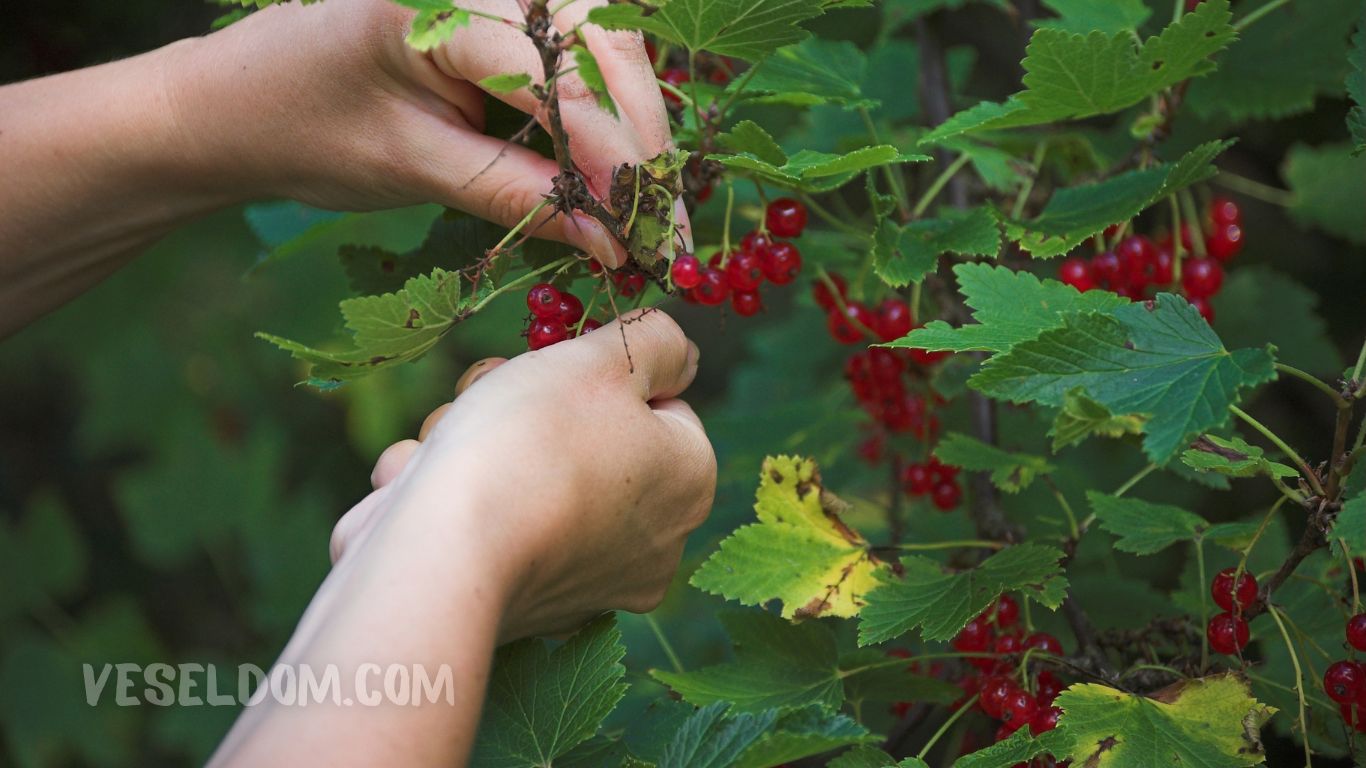
Mulching is recommended in spring or early summer. First, it is necessary to clean the area around the bush from garbage, leaves and old mulch. The soil near the trunk of the plant should be slightly loosened with a shovel or hoe, and then mulch such as hay, straw, manure or other organic materials should be spread. Humus, sawdust, peat or grass clippings are also suitable. The mulch layer should be 5-10 cm thick to prevent soil compaction.
Caring for red currants, like many other crops, can be easy if you follow the right methods. Special attention to the bush in the spring is crucial for achieving a high-quality and voluminous harvest. Correcting common mistakes and following the recommendations will help you get a rich harvest of red currants.