
The beginning of May is accompanied by bright sunlight and the awakening of garden work. This month opens up many opportunities for the development of a home garden. The first finishing task is to plant potatoes, and later other vegetables, greens, and herbaceous plants. In the article, we will consider what can be planted in the garden in May and how to grow each of the plants correctly. The list of recommended plants for late spring includes white cabbage, carrots, onions, radishes, beets, garlic and many others.
We will take a closer look at these crops in our article, but it is worth noting that there are many other plants that can also be planted in May. We will talk about them in the following materials. Let’s start our research with the listed vegetables and greens.
White cabbage
White cabbage is one of the most popular vegetables in gardening. Proper planting of this crop is an important step to a high yield. Here are some tips for successfully growing white cabbage.
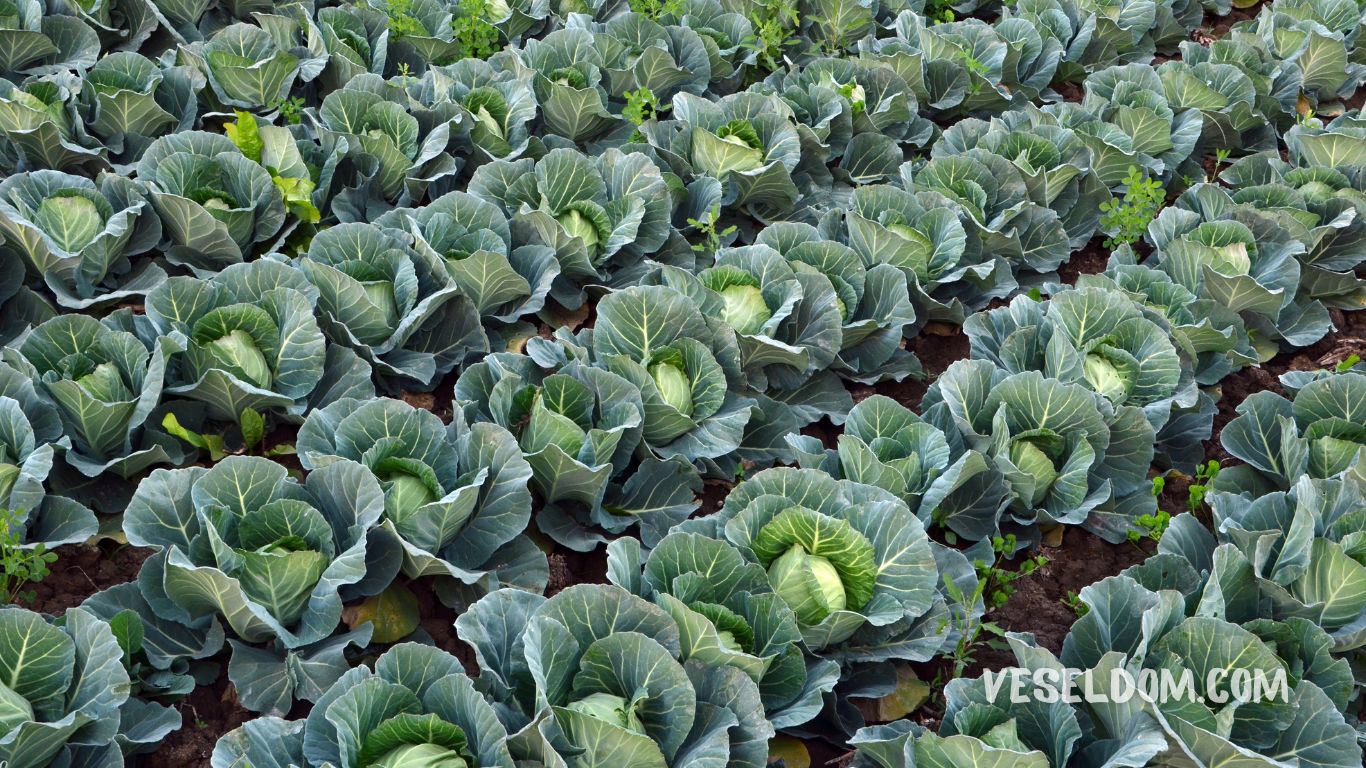
First of all, it is recommended to sow cabbage when the soil temperature reaches +8 °C. It is also important to ensure good lighting of the site by choosing a sunny place. Early varieties grow well on sandy and loamy soils, while mid-ripening and late varieties grow better on clay or loamy soils.
Cabbage seeds should be sown in holes 1.5-2 cm deep, 6-7 pieces in each. After sowing, the holes should be covered with earth, and then abundantly watered with warm water and covered with mulch. When the steps of seedlings have two strong leaves, they need to be thinned, leaving two plants in each hole. At the third leaf, the strongest seedling should be left.
Cabbage culture needs enough heat and moisture. Regular and generous watering will help provide plants with the necessary moisture. It is important to maintain soil moisture at a level of about 70% to obtain a lush harvest. However, weeding should be avoided to avoid the development of vascular blight on the leaves. In May, you can also plant seedlings that were grown on the windowsill.
Onion seedling
Seedling onions are one of the most common vegetables that can be planted in open ground in May. It is recommended to sow onions at an air temperature not lower than +10°C, but the best conditions for its growth are at +15°C. If it is still cool in your region, onion seedlings can be planted under a film to create favorable conditions.
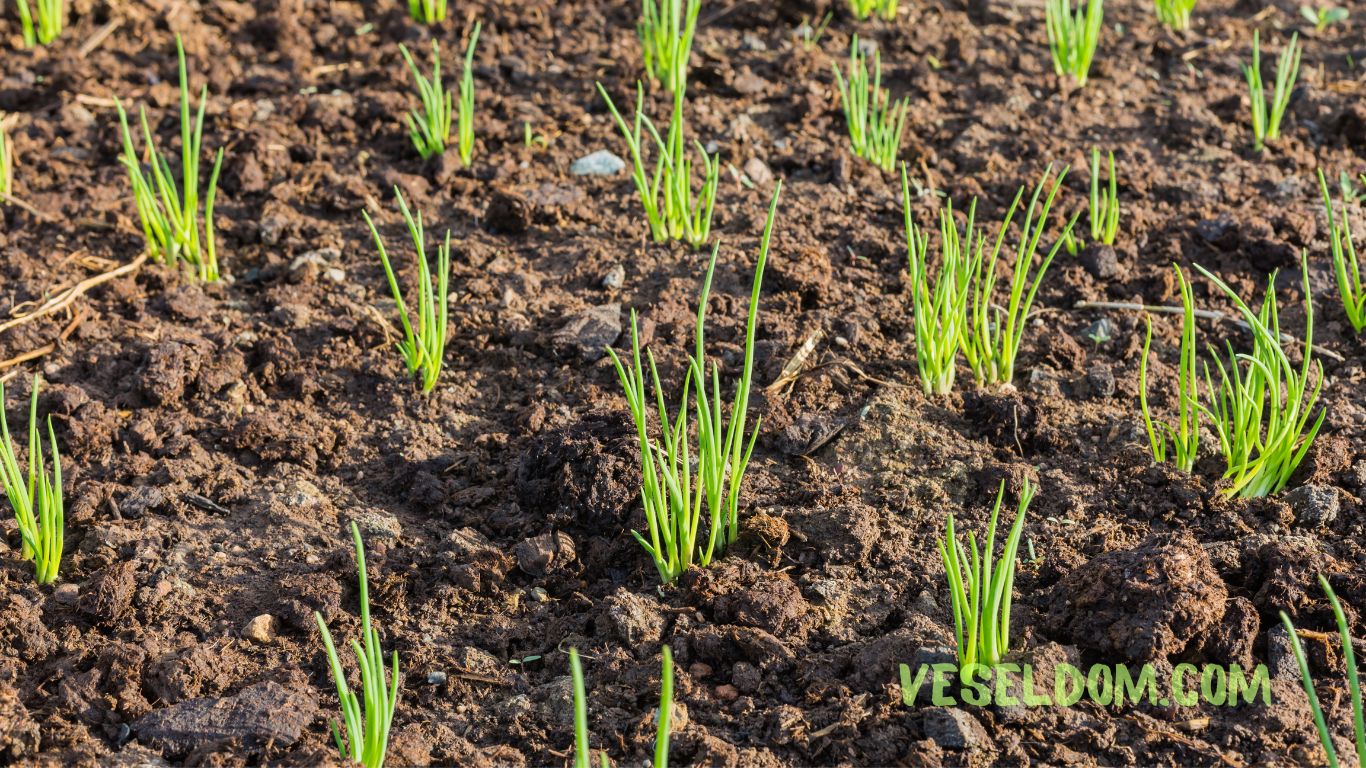
Choose a place for planting onions on an elevated area to avoid water stagnation. It is important that the place is well lit by the sun, and shading from trees or other plants is also avoided. As for the soil, loamy or sandy soil with a neutral level of acidity (pH 6-7) is best for sowing onions. 7-14 days before planting, you can prepare the bed by digging the soil to a depth of 20 cm and adding humus, ash or compost.
Before sowing onions, it is recommended to soak the bulbs in warm water for 12-15 hours. This process will help protect them from pests and diseases. For sowing, create a loose and moist bed. With the help of a mill pear, stick the bulbs to a depth of 3-4 cm in the previously prepared furrows with an interval of 8-10 cm between them. Water the bed 1-2 times a week. During fruit ripening, reduce watering to once every 14 days to prevent overwatering.
By following these tips, you will get healthy and tasty onions in your garden.
Carrot
Medium-ripe carrot varieties are recommended to be sown in the first days of May, while vegetables that are planned to be stored for a long time can be sown at the end of May. Carrots are not afraid of temporary frosts and can withstand cold temperatures down to -3°C. Sowing can be started when the soil temperature reaches 6°C. For accelerated seed germination, it should be sown at a temperature of +10°C.
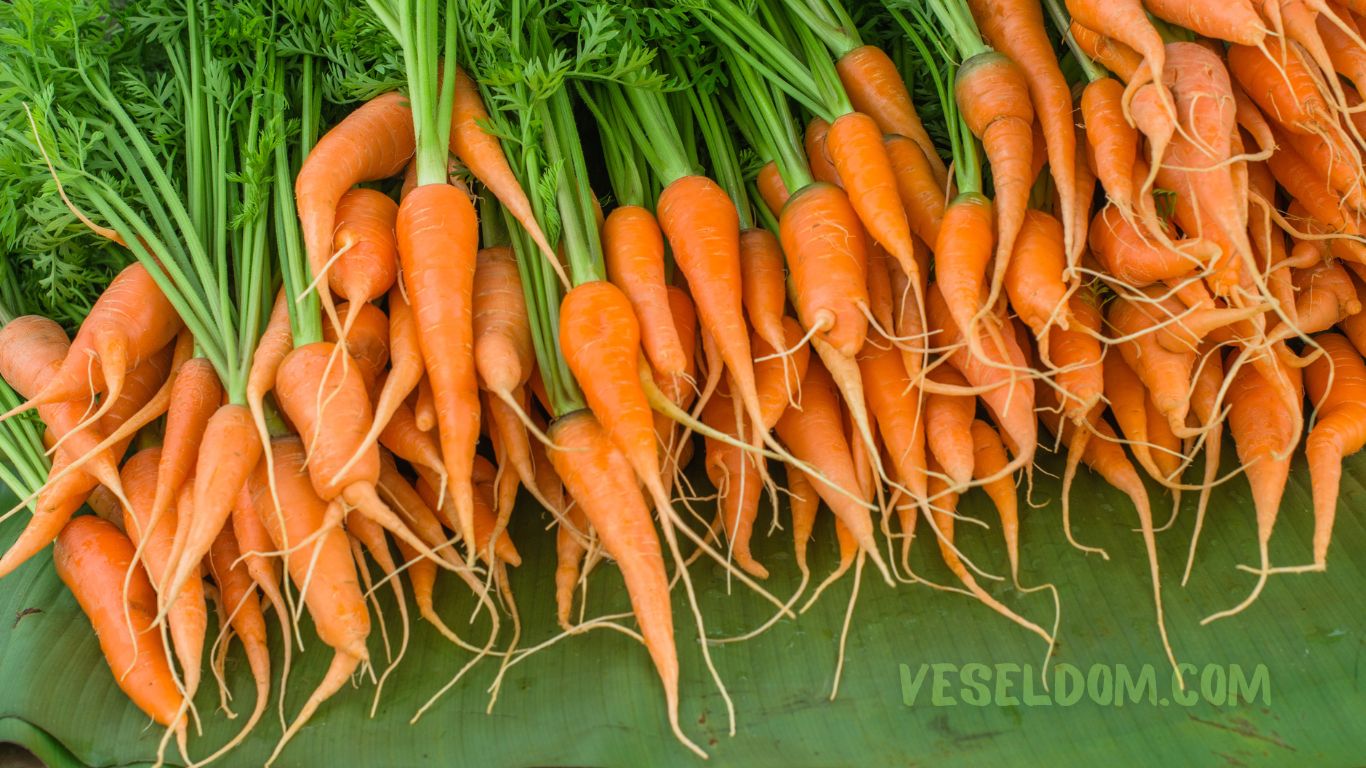
The best precursors for carrots will be the following crops: tomatoes, peppers, pumpkins, potatoes, onions, garlic, eggplants, cabbage (colorful or white) and cucumbers. Carrots can be planted next to radishes, parsley, lettuce, onions or peas. The carrot plant prefers loose soil, so you can mix it with sand before planting.
For sowing, furrows with a depth of 2 cm are prepared. The distance between the rows should be 15 cm. The seeds are sown at a distance of 1.5-2 cm from each other. When sowing seeds, the soil should not be compacted. Before the seedlings germinate, the rows should be watered abundantly, providing sufficient moisture for the seeds.
Beet
Beets are sown at the end of spring. The ideal soil for beets is loose and enriched with humus. Soil acidity should be in the range of pH 6-7. The recommended temperature for planting is +10°C.
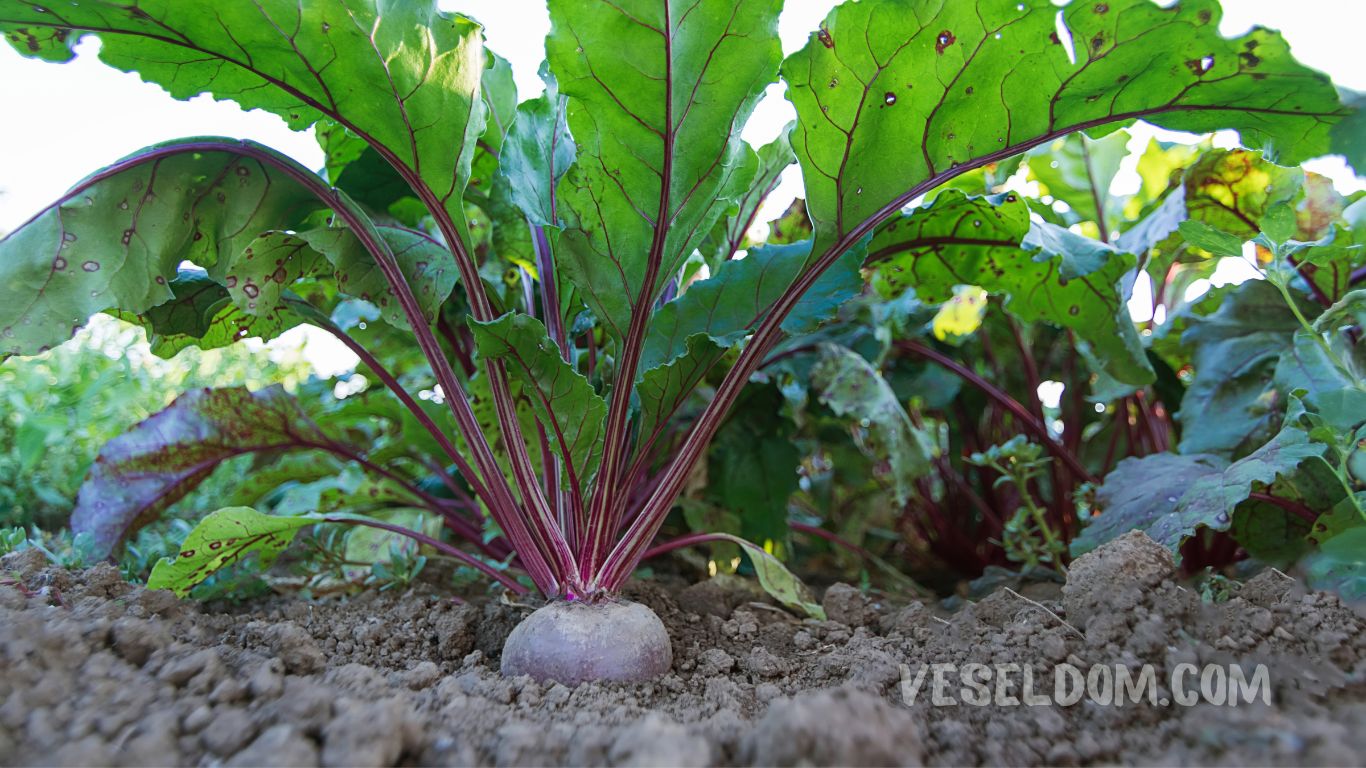
The place for planting beets should be well lit. They can be planted next to the tree on the south side so that the plants receive sunlight during the first half of the day. Good precursors for beets are white cabbage, cucumbers, tomatoes, legumes, potatoes and garlic.
Before sowing, beet seeds are recommended to be soaked in warm water to improve germination. They can also be germinated on a paper napkin, cloth or in sawdust. Before starting work, the ground must be moistened. Seeds are sown at intervals of 5-10 cm in a furrow with a depth of 1.5-3 cm. After sowing the seeds, the surface should be securely compacted. Seedlings will appear in about 7 days.
Radish
Radishes can be planted throughout the month. A sunny and wind-protected bed is suitable for this early vegetable. It is sown in light and fertile soil with a neutral level of acidity (sandy or slightly acidic soil mixture). A week before sowing, the bed is dug up and ash, peat or mineral fertilizers are added. Ideal precursors for radishes are onions or lettuce.
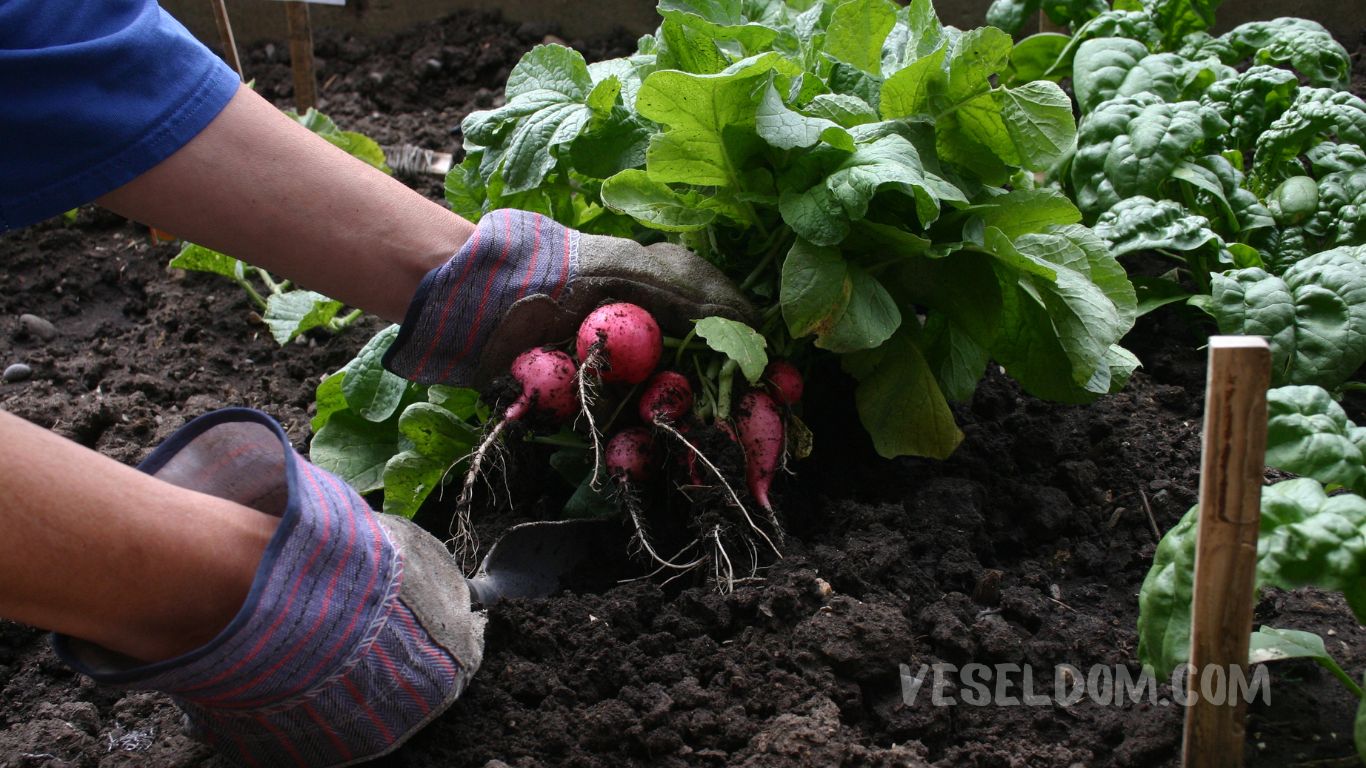
The largest seeds should be selected. They can be planted both dry and after soaking. In moist soil, seeds are placed at intervals of 3-5 cm to a depth of 1-2 cm. The width of the rows should be approximately 10 cm. Sown seeds can be sprinkled with peat, and then compact the bed.
After sowing, the area with radish can be covered with a black film for 10-12 days. In the morning, the film should be removed so that the plants receive enough light, and in the evening it should be covered again. At an average temperature of +18°C, seedlings will appear within a week. The harvest will be ready in 21-28 days.
Turnip
Turnips can be planted among crops that are planted in the garden in May. This unpretentious vegetable grows best in slightly loamy soils with a neutral level of acidity (pH 6-7). Before planting, it is recommended to prepare the area well, add humus and ash. An air temperature of 1-3°C is sufficient for sowing. Young sprouts withstand frosts up to -3°C, and older seedlings – up to -6°C.
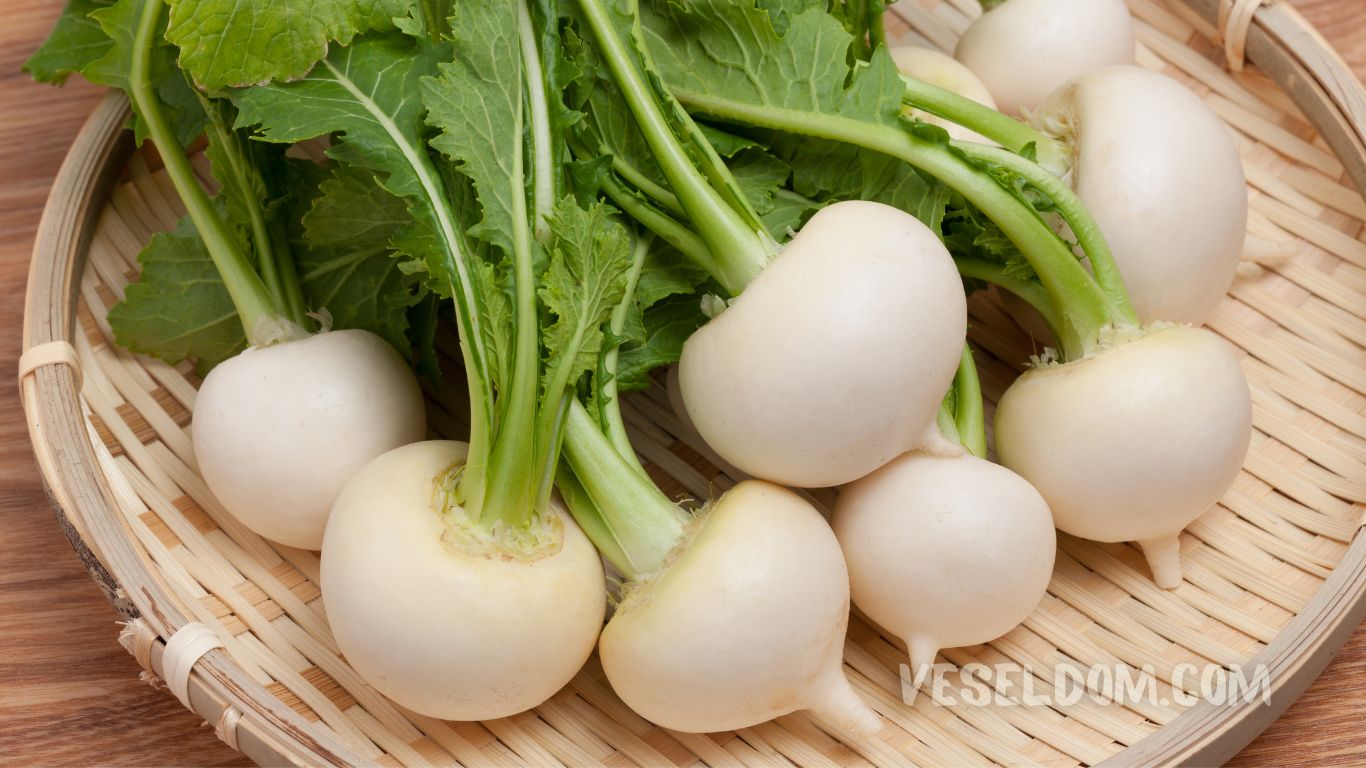
The bed should be located in an open place with direct or diffused sunlight. Good predecessors for turnips are cucumbers, tomatoes, greens and legumes.
Turnip seeds are placed in holes to a depth of 1-2 cm. The distance between the rows should be 20-25 cm. The seeds are sprinkled with soil on top and slightly compacted. The rows should be watered and covered with mulch. Sprouts will appear within 5-6 days. After 2 weeks, turnips should be thinned, leaving a gap of 10-12 cm between plants. In order for the root crop not to become bitter, it is important to ensure sufficient watering of the plants.
Garlic
Garlic is usually planted in early spring. For successful growth of garlic, an air temperature of 8 to 12°C is necessary. It grows best in loam that has been previously enriched with organic fertilizers. A day before planting, it is recommended to dig up the soil to the depth of a shovel, removing the roots of weeds. Garlic grows well after predecessors such as legumes, pumpkins, cabbage, cereals and squash.
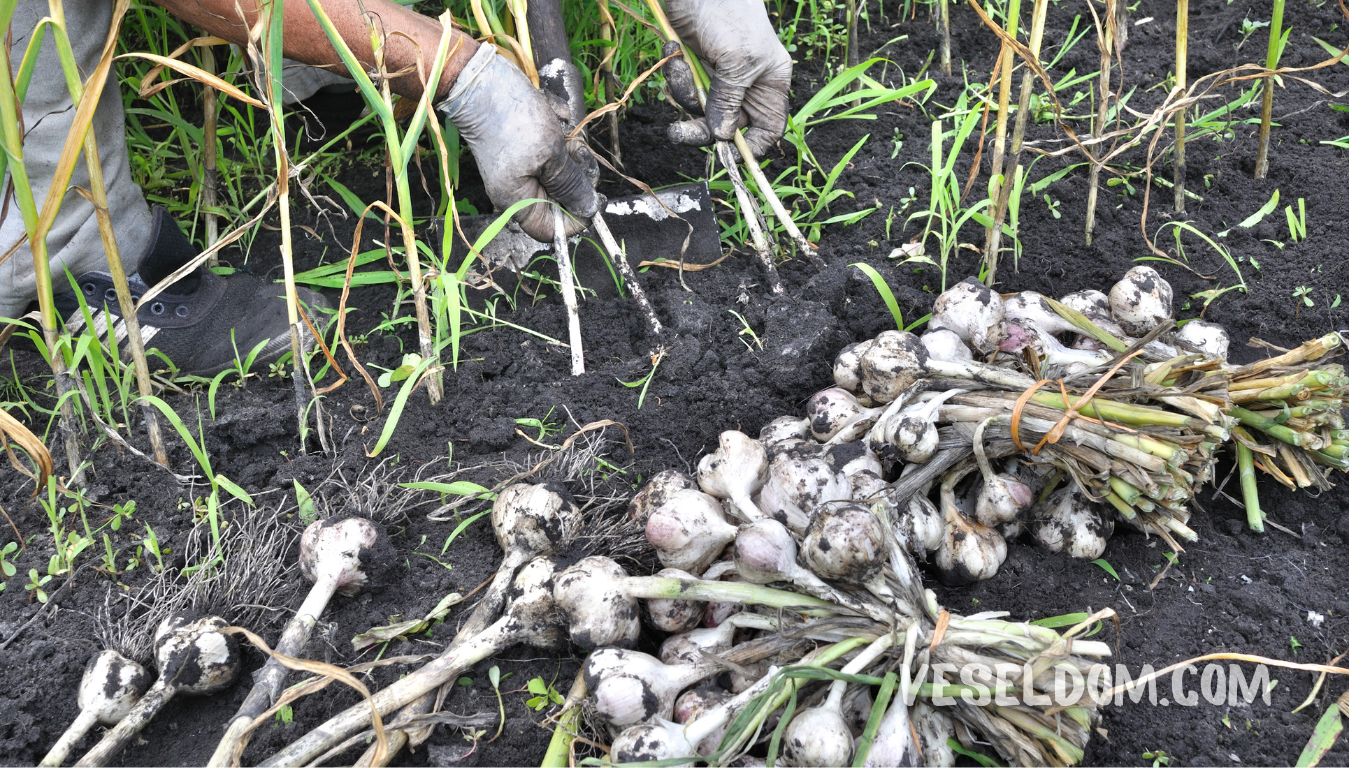
Before sowing, the rows are prepared and watered with a solution of salt and water in the ratio of 3 tablespoons of salt per bucket of water. Cloves of garlic jump into the soil to a depth of 1-2 cm with a distance of 8-10 cm from each other. Garlic requires regular watering, loosening of the soil and removal of weeds throughout the growing period, which ends in September, when the garlic can be harvested.
Conclusion
May is a great time for gardening and growing a variety of vegetables in your own garden or vegetable garden. In this article, we have considered some of them that can be successfully planted in May. Cabbage, carrots, onions, radishes, beets, garlic are just a few crops that require their own special growing conditions, such as soil, temperature, and predecessors.
It is important to remember that a successful result depends on the correct preparation of the soil, compliance with the appropriate planting sizes, proper watering and plant care. By following the advice given in the article, you will be able to get tasty and healthy vegetables from your own garden.
Remember that this is only part of the crops that can be planted in May. There are many other plants that can be grown successfully and it depends on your taste and preference. Let your garden be rich in delicious vegetables and a big harvest this year!