
Growing strawberries in a greenhouse is a great opportunity to enjoy fresh, delicious berries all year round. The greenhouse creates optimal conditions for the growth and development of strawberries, providing protection from adverse weather conditions and harmful insects. In this article, we’ll cover the key steps to growing strawberries in soil in a greenhouse all year round.
Choosing a suitable greenhouse
Before starting to grow strawberries, it is important to choose the right greenhouse and prepare the soil.
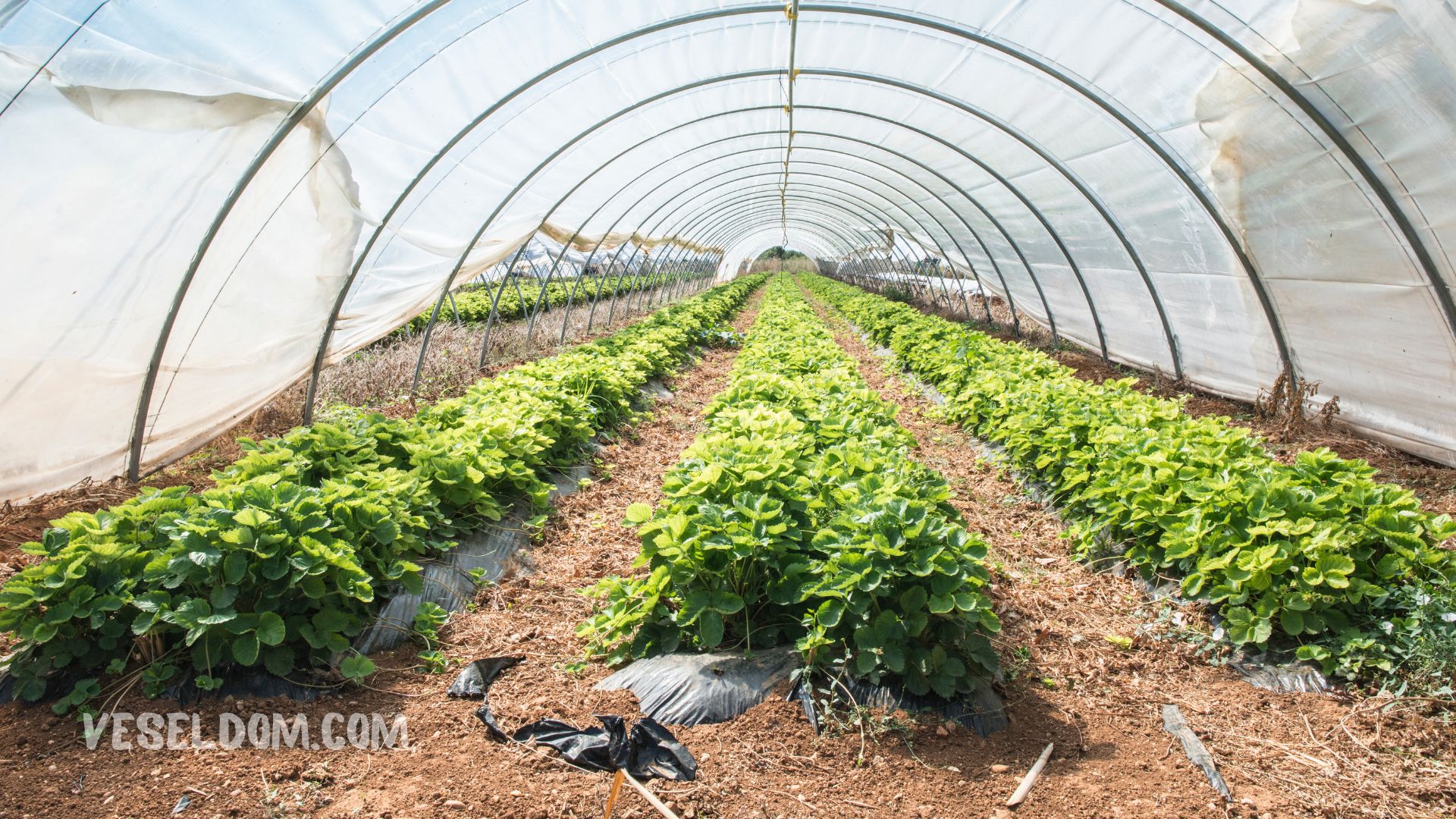
You can use different types of greenhouses, but it is better to choose those that provide optimal conditions for plant growth and development. Here are several types of greenhouses that are suitable for growing strawberries in the ground:
- Film greenhouse: Film greenhouses are a popular option for growing strawberries. They are cheap, easy to install and allow you to control temperature and humidity. For strawberries, you should choose a film with a high light transmittance to ensure the necessary lighting of the plants.
- Glass greenhouse: Glass greenhouses provide excellent light penetration and create a more stable structure. They may be a little more expensive, but they provide better insulation and protection against extreme weather conditions. A glass greenhouse provides optimal conditions for growing strawberries, but may require temperature control to avoid overheating.
- Polycarbonate greenhouse: Polycarbonate greenhouses combine the advantages of film and glass structures. They provide good light penetration and have greater strength and thermal insulation than film. Polycarbonate helps to retain heat, which is especially useful for strawberries during cold periods.
- Arched greenhouse: Arched greenhouses have a rounded shape that provides better light distribution and a larger volume of space for plants. They are an effective option for growing strawberries, as they allow you to place many plants and provide good air circulation.
- Modular greenhouse: Modular greenhouses consist of separate sections, which allows you to increase or decrease their size depending on needs. This makes it possible to adjust the size of the greenhouse to the number of strawberries you plan to grow.
What soil is suitable for strawberries
For growing strawberries in a greenhouse, it is recommended to use a special soil mixture that provides optimal conditions for the growth and development of plants. The main composition of the soil mixture for strawberries may include the following components:
- Peat: Adding peat to the soil mixture provides good moisture retention and good soil structure. Use high-quality peat that does not contain harmful substances or pollutants.
- Perlite or vermiculite: These materials are used to improve soil drainage and prevent moisture retention. They help to maintain an optimal level of humidity and air permeability in the root zone of plants.
- Compost or humus: Adding an organic fertilizer, such as compost or humus, improves soil nutrition and provides essential micronutrients to plants. It also increases the content of organic matter in the soil and improves its structure.
- Fertilizers: Depending on the needs of plants and soil analysis, fertilizers containing nitrogen, phosphorus, potassium and other necessary macro- and microelements can be used. It is recommended to use special fertilizers for strawberries, which will provide the plants with the necessary nutritional support.
The general composition of the soil mixture may vary depending on specific requirements and growing conditions. It is recommended to use the following proportion of the components of the soil mixture:
- Peat: 50%
- Perlite or vermiculite: 30%
- Compost or humus: 20%
This proportion can be used as the main soil mixture for strawberries in the greenhouse. However, it is worth considering that plants may differ in their soil requirements, so it is also important to analyze and adjust the composition of the soil mixture according to the needs of a specific strawberry variety and growing conditions.
In addition, regular fertilizer can be used to ensure the necessary nutrition of strawberries during the season. It is recommended to use organic or mineral fertilizers, in particular those containing nitrogen, phosphorus and potassium.
It is also important to take care of the soil, regularly water the plants, loosen the soil and remove weeds. A balanced soil mixture together with proper care will help create optimal conditions for healthy growth and yield of strawberries in the greenhouse.
Choose the right strawberry variety
When choosing a strawberry variety for growing in a greenhouse, pay attention to its adaptation to greenhouse conditions, resistance to diseases and yield. Consult with experts or research recommendations for your region.

There are several varieties of strawberries that are suitable for growing in soil in a greenhouse throughout the year. Here are some popular varieties that have good yields and are adapted to this type of cultivation:
- ‘Eversweet’ (Eversweet): This strawberry variety has high resistance to shooting and excellent taste quality of the berries. It bears abundantly during the season and grows well in greenhouses. ‘Eversvit’ is characterized by sweet and aromatic berries, which have an excellent texture.
- ‘Albion’ (Albion): This strawberry variety is known for its large and juicy berries. It has a long fruiting period and high yield. ‘Albion’ also has good disease resistance and grows well in greenhouses. This variety is often used for commercial cultivation.
- ‘Campton’ (Campton): This strawberry variety is early-medium ripe and well suited for growing in greenhouses. It has a good harvest and sweet berries. ‘Kampton’ is characterized by high resistance to diseases and cold, which allows it to be grown throughout the year.
- ‘Mara’ (Mara des Bois): This strawberry variety has particularly aromatic berries with hints of wild berries. It has a good yield and grows well in greenhouses. ‘Mara’ is also highly resistant to disease and humidity.
These varieties of strawberries have different characteristics and can differ in the size of berries, taste characteristics and duration of fruiting. The choice of a specific variety depends on your requirements and growing conditions in the greenhouse.
Planting strawberry seedlings
Before planting strawberry seedlings in the ground, break all stones, remove larvae, insect eggs and plant branches. Seedlings should be planted in accordance with depth and spacing recommendations, maintaining sufficient space between plants for their growth.
To properly plant strawberry seedlings in the soil in the greenhouse, the following steps should be followed:
- Soil preparation: Before planting, it is necessary to prepare the soil in the greenhouse. Make sure that the soil is well opened and smoothed. It is also important to consider the moisture, acidity and fertilizer needs of a specific strawberry variety.
- Selection of seedlings: Select healthy strawberry seedlings with strong roots and no signs of disease or damage. They must have live leaves and buds.
- Planting: Place the seedlings in the soil at a distance of about 30-40 cm from each other, keeping sufficient space between the rows. The depth of planting depends on the type of seedling – tuberous seedlings must be covered with a thin layer of soil, and rosette seedlings must be planted at a depth so that the root system is located flush with the surface of the soil.
- Watering: After planting, water the seedlings thoroughly. Use moderately moist soil to provide optimal moisture for strawberry growth.
- Care: After planting, it is important to carry out regular care for strawberries. It includes regular watering, weeding, fertilizing, pest and disease control, as well as providing the necessary lighting and ventilation in the greenhouse.
- Mulching: Consider mulching the soil around strawberry seedlings. Mulch will help preserve moisture, prevent the growth of weeds and protect berries from falling on the ground, which will help avoid rotting.
- Regular care: Do not forget about the constant care of strawberries in the greenhouse. Remove dry, diseased or damaged leaves and shoots. Pick the berries when they are ripe to encourage further fruiting.
- Additional measures: Consider the specific needs of the strawberry variety to ensure optimal conditions. Some varieties may require additional fertilization, regular pruning or support for weaving shoots.
By following these steps and giving strawberries proper care, you will be able to successfully plant strawberry seedlings in the soil of the greenhouse and enjoy fresh, tasty berries all year long.
Strawberry care
To achieve a stable harvest of strawberries throughout the year, it is necessary to properly care for the plants. Water strawberries regularly, periodically ensuring soil moisture at an optimal level. Adhere to the watering regime, avoiding drying out or overwatering the soil.
Caring for strawberries in a greenhouse in the ground is an important element that helps ensure a constant harvest throughout the year. Here are some tips for caring for strawberries:
Watering
Proper watering is an important aspect of strawberry greenhouse care. Here are some general rules for watering strawberries in a greenhouse in the ground:
- Regularity: Strawberries need regular watering, especially during the period of active growth, flowering and fruiting. Ensure constant soil moisture, avoiding over-drying or over-saturation.
- Watering depth: It is important to ensure that the water penetrates to a sufficient depth to the root system. Water until the top layer of the soil becomes moist to a depth of about 5-7 cm. This will promote the development of healthy and deep roots.
- Avoid stagnant moisture: Strawberries do not tolerate stagnant moisture. Avoid overwatering the soil, as this can lead to root rot and the spread of disease. Make sure the greenhouse has a good drainage system to remove excess moisture.
- Water at the roots: Direct watering directly at the strawberry roots, avoid wetting the leaves, as this can promote the development of fungal diseases. Use drip irrigation or water near the roots by hand.
- Consider the weather conditions: Adjust the intensity and frequency of watering depending on the weather conditions. In the period of intense heat, water more often, and in cool and humid weather, reduce the frequency of watering.
- Watering in the morning: The best time to water strawberries is in the morning or late evening. At this time, water is better absorbed by the plant, and it also avoids burning the leaves in the sun, which can become a problem if watering is done in the middle of the day.
- Watch for symptoms: Pay attention to symptoms of insufficient or excessive moisture in strawberries. If the leaves become limp and dry, this may be a sign of a lack of moisture and will require more intensive watering. On the other hand, yellowing of leaves or rotting of the root system may indicate oversaturation of moisture and the need to reduce watering.
- Mulching: Using mulch under strawberries will help conserve soil moisture and reduce evaporation. Spread organic mulch, such as straw or bark, under the plants, avoiding direct contact of the mulch with the stems and leaves.
- Consider growth phases: Strawberries have different moisture needs at different stages of growth. For example, more intensive and regular increased humidity is required during flowering and fruit formation.

Fertilizers
Correct application of fertilizers is an important component of strawberry care in the greenhouse. Here are some fertilizer recommendations:
- Start: Start fertilizer can be applied before planting strawberry seedlings. Use a fertilizer that contains nitrogen, phosphorus, and potassium (NPK) in even proportions, such as 10-10-10 or 14-14-14. This will help stimulate the initial growth of plants and the development of the root system.
- Fertilize at regular intervals: After planting strawberries in the greenhouse, fertilize the plants regularly throughout the season. Use fertilizers that are designed specifically for strawberries or general organic fertilizers. They can contain not only NPK, but also other macro- and microelements necessary for healthy growth and fruiting.
- Foliar irrigation: Foliar irrigation is the application of fertilizer by spraying on strawberry leaves. This method can be effective for rapid uptake of nutrients by plants. Use fertilizer solutions recommended by the manufacturer and spray them on the leaves in the morning or evening when there is no direct sunlight.
- Apply as needed: Watch for signs of nutrient deficiency or excess in strawberries, such as leaf discoloration, growth changes, or general plant condition. Fertilize as needed to adjust the nutrient balance in the soil.
- Organic fertilizers: Use organic fertilizers for growing strawberries in a greenhouse. Organic fertilizers, such as compost, humus, plant waste or microorganisms, help to improve the structure of the soil, increase its moisture-retaining properties and provide plants with the necessary nutrients. They also contribute to the creation of a favorable environment for the strawberry root system.
Regularly observe the reaction of strawberries to applied fertilizers. Observing growth, leaf color, fruit development, and general plant condition will help you identify the need for further fertilizer application.
Removal of weeds
Regularly check and remove weeds from the greenhouse. Weeds compete with strawberries for water, nutrients and light. Regular loosening of the soil will also help prevent the growth of weeds.
Circumcision
Remove dry, diseased or damaged leaves, shoots and flowers. This will promote healthy growth of the plant and promote the formation of new shoots and berries.
Protection from pests and diseases
Inspect plants regularly for pests and signs of disease. If necessary, take measures to control them using organic methods or auxiliary means of protection.
In the greenhouse, strawberries can be exposed to various diseases and pest attacks. Here are some of the most common diseases and pests that strawberries in the greenhouse may encounter:
Diseases:
- Strawberry rust: A disease that causes gray-white spots on the leaves, fruits and shoots of strawberries. This can lead to fruit rot and reduced yield.
- Blight: A fungal disease that attacks the root system of strawberries, resulting in root rot and plant death.
- Anthracnose: Another fungal disease that is manifested by the formation of dark spots on leaves, shoots and fruits. It can cause great losses in the strawberry crop.
Pests:
- Strawworm: A small parasitic insect that feeds on plant sap and can cause damage to strawberry leaves and fruit.
- Thrips: Small insects that damage the leaves, shoots and fruits of strawberries, leaving silver spots and distortions.
- Fruit eaters: Various insects, such as scarabs, beetles and flies, can damage strawberry fruits, causing them to rot and die.
To prevent and fight against diseases and pests of strawberries in the greenhouse, it is recommended:
- Apply preventive measures, such as regular cleaning of unwanted plants, destruction of diseased parts of plants and compliance with hygiene standards.
- PlacingPlacement of pest traps that can catch and destroy insects such as thrips and thrips.
- Use biological control agents such as beneficial insects and microorganisms that can control harmful insects.
- Inspect plants regularly to detect disease or pests at an early stage and take appropriate action.
- Use natural and chemical defenses, such as biologics or plant extracts, to control diseases and pests.
- Adhere to proper watering, good ventilation and regular thinning of plants to avoid moisture that can promote the spread of disease.
- Feed plants regularly with the right fertilizers to strengthen their immune system and promote healthy growth.
In case of detection of disease or significant damage by pests, it is recommended to contact a specialist or garden consultant for additional advice and possible therapeutic measures.
Topping
The practice of pinching or compacting the hoods can help increase the number of berries. Pinch the side shoots to stimulate the formation of new shoots and increase the number of flowers and berries.
Regular collection of berries
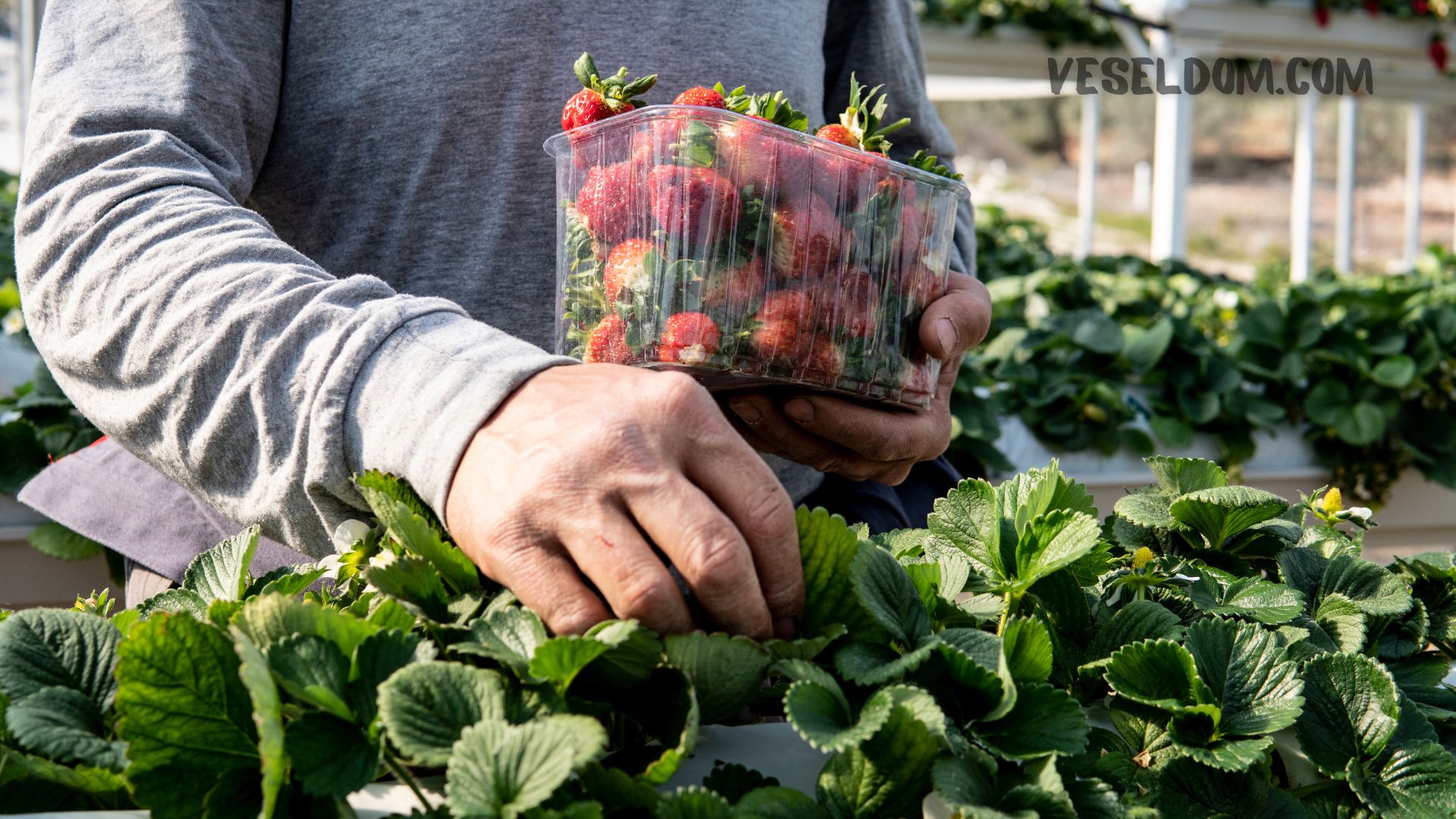
Pick the berries when they reach optimal maturity. This will not only help to avoid over-ripening and spoilage, but also stimulates strawberries to continue fruiting. Regular collection also helps prevent the spread of disease.
Temperature and lighting control
Maintain the optimal temperature in the greenhouse for strawberries. Provide ventilation to regulate temperature, especially in summer when it can be excessively hot. Also control the temperature of the soil, especially in winter, to avoid hypothermia or overheating of the root system.
If the greenhouse does not receive enough natural light, consider supplementing it with artificial lighting. Maintaining an optimal light regime will contribute to the healthy growth and development of strawberries.
Winter care
In the cold season, especially in winter, provide additional protection for strawberries. Use insulating materials, additional coverings or heating systems if necessary to prevent plants from freezing.
Taking into account these tips and providing strawberries with appropriate care, you will be able to enjoy a constant harvest throughout the year. Remember that caring for strawberries in a greenhouse in the ground requires systematicity, attention to detail and regular monitoring of the plants. Match the growing conditions to the requirements of the specific strawberry variety and follow the manufacturer’s recommendations. I congratulate you on the successful cultivation of strawberries in the greenhouse and wish you a bountiful harvest!