
Rabbits are wonderful pets that are loved by people for their calm nature, friendly attitude towards others, ease of breeding, and high profitability. Breeders note that these animals can satisfy the two main human needs – food and clothing, and also bring aesthetic pleasure. Let’s consider the nuances of breeding rabbits at home.
Selection of rabbits for breeding
Animal husbandry, namely rabbit breeding, is an interesting, popular and profitable occupation. But for beginners in animal husbandry, first of all, it is worth deciding on the purpose of breeding – meat, fur, down, decorative use.
It is necessary to carefully evaluate your financial capabilities in order to purchase equipment for rabbit breeding, animals directly, and food for them.
Biological features
Rabbits are rodent mammals that belong to the Hare family. They are very fertile animals, as they become sexually mature at the age of 3-4 months, but it is recommended to mate them no earlier than 6-7 months.
The gestation period (pregnancy) in rabbits lasts from 29 to 34 days, and its duration depends on the size of the brood. A rabbit can produce up to 4 litters per year, and when pregnancy is combined with lactation – up to 6-8 litters. The average birth rate is from 6 to 9 rabbits per litter.
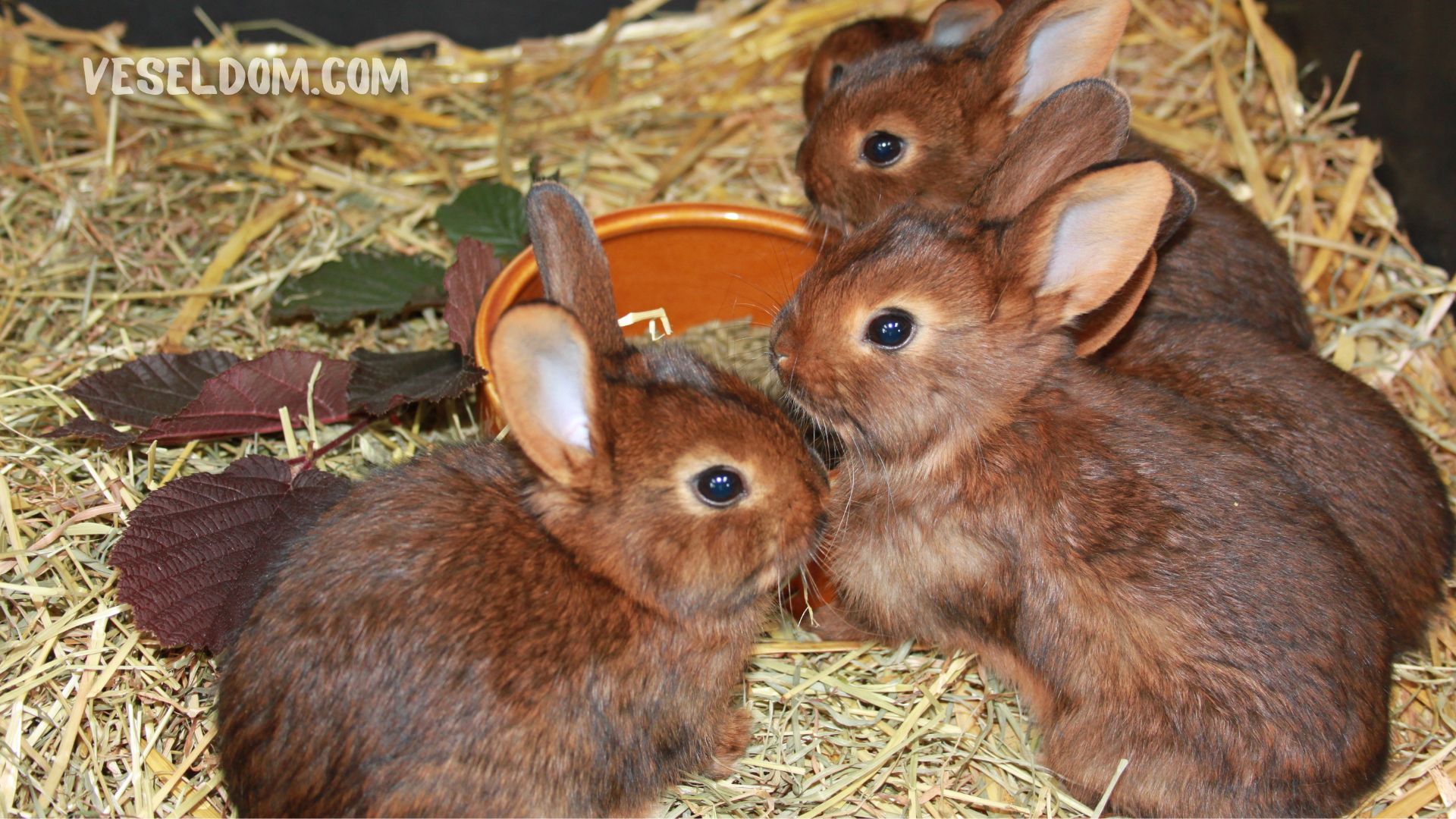
Rabbits are born naked and blind, weighing from 40 to 90 grams. Rapid development occurs during the first weeks. They open their eyes on the 10-14th day, and on the 16-20th day they leave the nest to try adult food. Rabbits also have milk teeth before birth, and they are completely replaced by permanent teeth from 18 to 28 days. An adult rabbit has 26-28 permanent teeth.
The weight of the rabbits increases almost 10 times by the month of age, they get their first coat of hair and start their first shedding. Rabbits molt twice a year – at 4 and 7.5 months, and also have seasonal molts in spring and winter. The growth of animals stops until about 10 months, and the weight of an adult exceeds the weight of a newborn by 60 times.
The lifespan of rabbits is about 6-8 years, and keeping rabbits for more than 3-4 years for economic purposes is impractical.
Rabbits are herbivores with a simple one-chamber stomach with a volume of 180-200 ml. They eat about 25-30 times a day, and young animals even up to 60 times a day.
One characteristic of rabbits is caprophagy, which involves eating their own feces, known as cecotrophs. This feces-like secretion is a valuable food source that contains beneficial substances that are formed in the digestive system of rabbits during the night. Eating cecotrophs improves the digestion of rabbits and saturates their body with B vitamins.
The body temperature of rabbits is unstable and depends on the temperature of the environment. They do not survive at temperatures above 44°C.
Rabbits are very sensitive to the purity of inhaled air. The presence of harmful gases, such as hydrogen sulfide and carbon dioxide, adversely affects their health. Rabbits have a developed sense of smell and are able to distinguish smells.
When selecting rabbits for breeding, especially males, it is recommended to choose strong animals with a stable nervous system, because rabbits are timid animals that react well to stress and loud noises. Therefore, they need peace and quiet to ensure their well-being.
Choosing a breed of rabbits
Choosing a breed of rabbits is an important stage in the breeding of these animals. Today, there is a wide variety of rabbit breeds on the market, each of which has its own characteristics and advantages. Depending on your business goals or personal preferences, you may choose a specific breed that best suits your needs. Here are some of the main categories of breeds:
- Meat breeds: These breeds specialize in raising rabbits for quality meat. Among them, such breeds as New Zealand White, California White, Florida White and many others can be distinguished. They are distinguished by rapid weight gain and high yield.
- Fur breeds: These breeds specialize in raising rabbits for quality fur. The most popular breeds are Chinchilla, Rex and Angora. The fur of these breeds is known for its softness and high value on the market.
- Ornamental Breeds: These breeds are often used as pets or for show purposes. They have an unusual appearance, bright colors or a non-standard body shape. These breeds include the Miniature Rabbit, Lion, Loch Ness and many others.
- Down Breeds: These breeds specialize in raising rabbits for their down, which is used to make knitwear. Among them, you can highlight breeds such as Angora and French Angora. They have long, soft wool, which is a valuable raw material for the production of knitted products.
When choosing a breed of rabbits, you should take into account such factors as the intended purpose (meat, fur, fluff, decorativeness), availability of the breed on the market, conditions of keeping and feeding, as well as your own requirements and preferences.
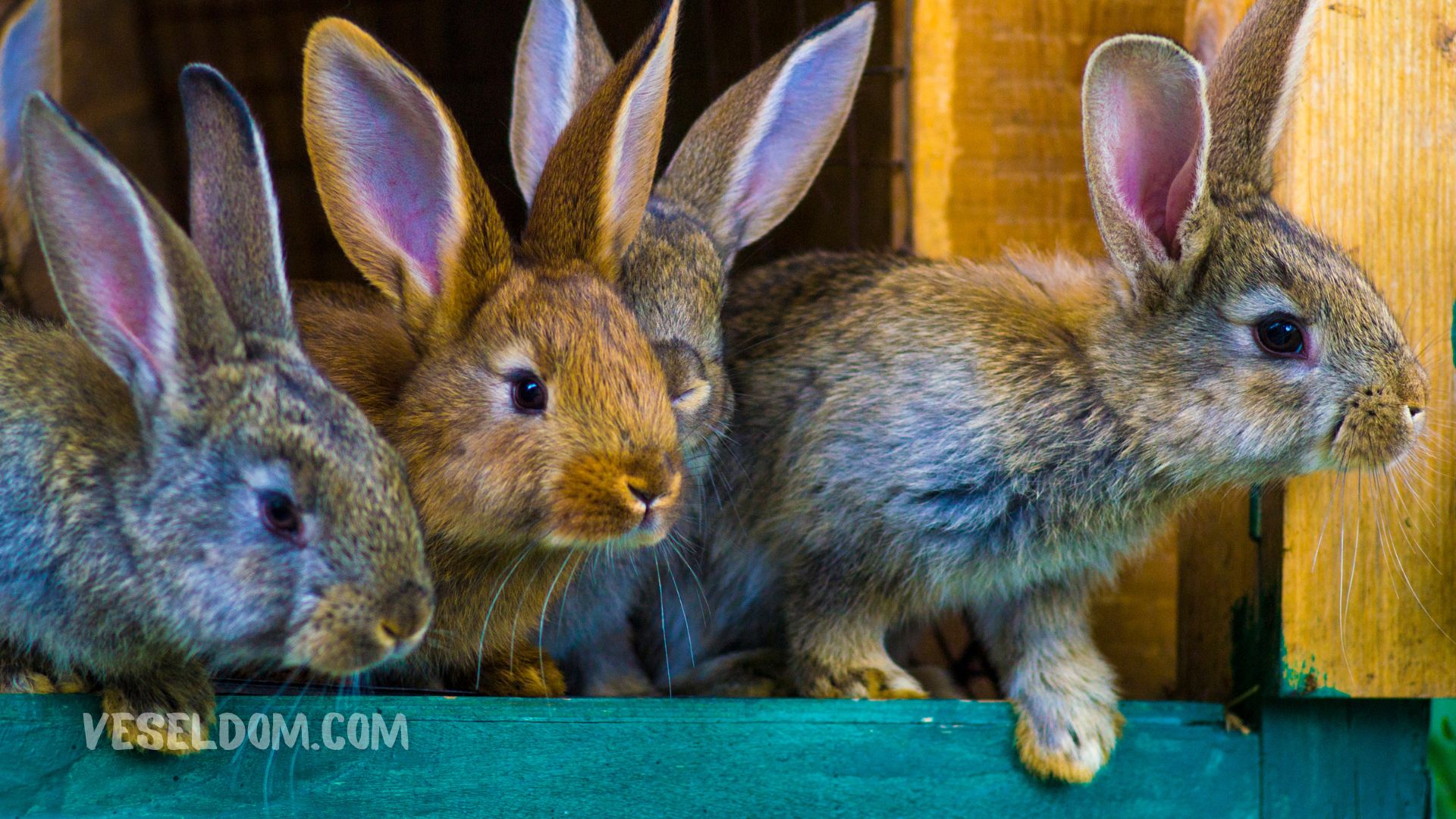
It is also necessary to remember the importance of compliance with genetics and health standards when purchasing purebred rabbits. Contacting experienced breeders or consulting with specialists in this field can help make the right choice of breed and ensure successful breeding of rabbits.
Acquisition
Buying rabbits for breeding can be a difficult task, despite the popularity of these animals. However, this is an investment that can be economically beneficial, as the rapid growth of rabbits allows you to quickly obtain quality meat and valuable fur.
If you need rabbits for decorative purposes, it is better to contact a specialized agricultural nursery, where you can examine the parent flock and receive recommendations for care. If you plan to buy young animals for breeding, it is recommended to contact specialized rabbit farms.
In the nursery or on the farm, you can assess the condition of the animals. Also, the “Breeding certificate” issued to each animal can be a guarantee of quality.
You can buy rabbits of all ages, but the best choices would be females 2-5 months old and males 2-7 months old. It is worth remembering that it can be difficult to determine the gender and breed at a very early age. To determine the age of the animal, you can use the graph of the ratio of weight to age, although these data are approximate, they can help verify the words of the seller.
After checking the external signs of the rabbit, be sure to look at its parents and the conditions of keeping the young.
You should pay attention to such signs as:
- deviation in the development of the spine;
- deformation of limbs;
- insufficient attention;
- noticeable signs of degeneration of the breed (change in the shape of the head, ears, violation of body proportions, inconsistency of the hair cover);
- deviation in color, if this is important to you;
- visible signs of the disease (lethargy, disheveled fur, discharge from the nose, scratches, wounds, parasites).
A healthy rabbit has the following signs:
- activity, reacts to sounds, touch and light;
- has a good appetite;
- bright eyes with a shine;
- clean nose without discharge;
- clean, smooth and shiny coat without gaps;
- moves energetically when lifting;
- body temperature 38.5-39.5 degrees Celsius;
- normal breathing (50-60 times per minute);
- normal pulse (120-170 beats per minute).
Look for these signs when purchasing rabbits to ensure you have healthy, quality breeding animals.
The first steps in breeding rabbits
Today, rabbit breeding is becoming the most profitable and promising business. But in order for it to live up to expectations, you need to be well prepared.
A beginner rabbit breeder needs:
- It is good to study the theoretical side of the issue.
- Realistically assess your financial and physical capabilities.
- Choose the direction – meat, fur, down, decorative use.
- Decide on the breed of rabbits.
- Buy rabbits, the necessary equipment for rabbit breeding.
- Arrange a place for keeping a rabbit hutch.
- Provide rabbits with a complete balanced diet.
- Establish sanitary and preventive measures (cleaning, disinfection, vaccination).

Breeding methods
Rabbits are bred in agriculture on an industrial scale, as well as at home.
Industrial breeding
Large farms contain thousands of animals. There is appropriate equipment for rabbit breeding. Rabbits are housed in specialized cages that are available in ventilated buildings with regulated humidity and air temperature.
All care processes are automated. Breeders are engaged in breeding here, veterinarians monitor health.
The purpose of industrial breeding is to raise animals to obtain large volumes of quality products for sale.
Breeding at home
Domestic rabbit breeding is not as numerous as on farms. But the breeder can also get a good profit. A rabbit can produce up to 30 babies a year, which is about 60 kg of useful meat.
For the home, it is better to choose animals of meat breeds, because they are less demanding in care, calm, and distinguished by high fertility.
Breeding animals in winter
If rabbits are kept indoors, they must be heated in winter. If cages with animals are placed outside, when it gets cold, they should be insulated, especially the floor. Cages with queens (places for brooding) are covered with straw, mats, and plywood. In severe frosts, it is still recommended to take animals indoors.
Rabbits are fortified with nutrition, vitaminized fodder is added. It is worth noting that the cubs born in winter are stronger, grow and gain weight faster.
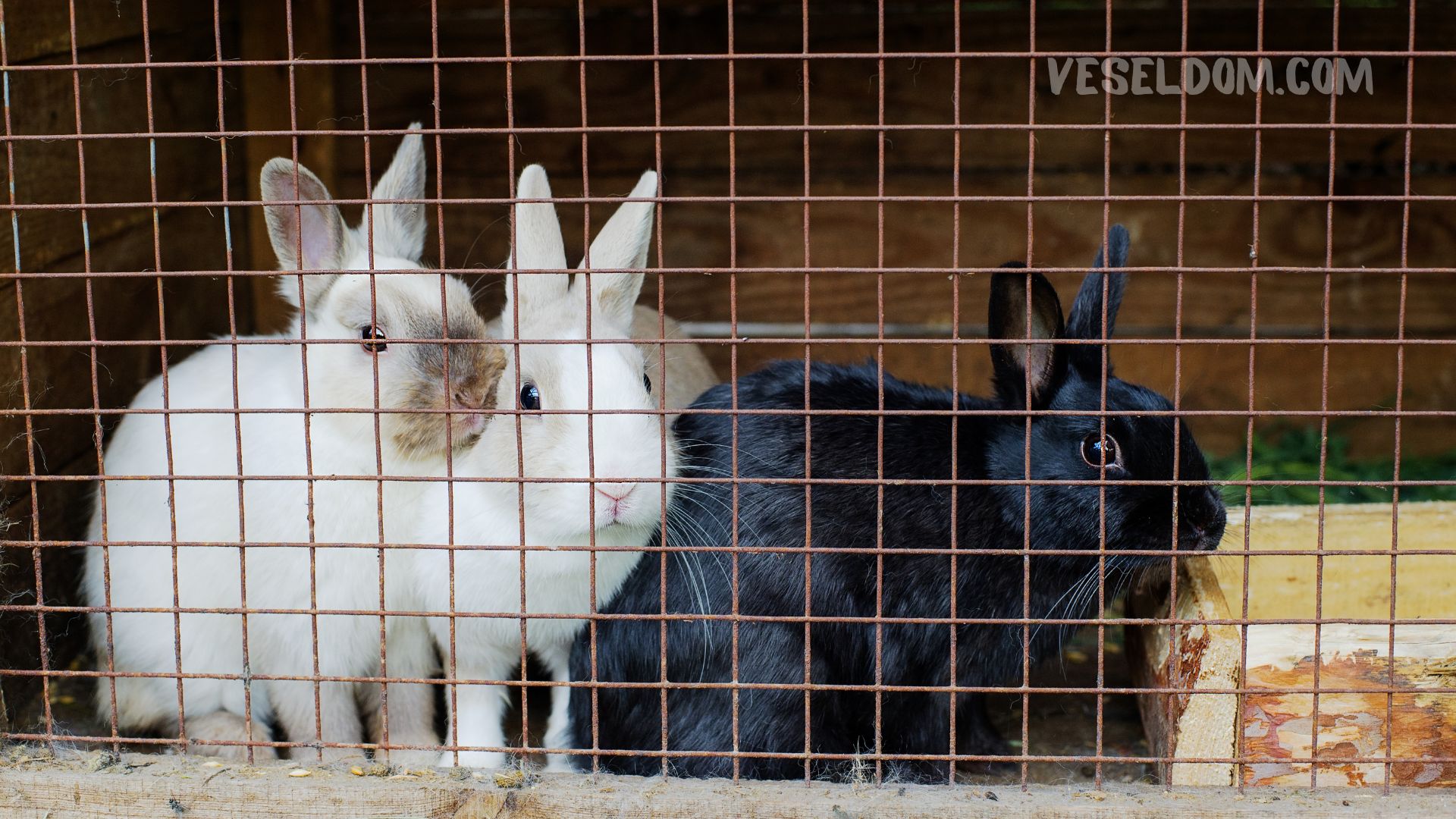
Keeping rabbits
In order for rabbits to feel comfortable, they should be properly cared for and provided with living conditions. Animals are sensitive to sudden changes in temperature, high humidity, excessive dryness of the air, and they can quickly catch a cold in drafts.
- The recommended storage temperature is 12-18 C
- Optimal air humidity – 60 – 75%
Rabbits need sunlight. But the cages should be protected from its direct impact, so that the animals do not get a heat stroke.
Choosing a place
The place for the location of the dwellings for rabbits is chosen flat, quiet, shaded. The approach to it should be free so that it is not problematic to distribute fodder and clean the cages.
It is desirable that breeding individuals and young animals are in different sections. It is also necessary to equip cages for rabbits with queen cells.
A cage for sick animals and a quarantine room are placed separately, where newly acquired individuals stay for 1 month.
Arrangement of the rabbit hutch
A rabbit hutch is a home for rabbits. Separate cages, sheds, aviaries, pits are used for them.
Most often – cage placement of animals. Cages are made of wood and metal mesh, covered with slate (ondulin, corrugated board). The cover should be tilted, hinged. Feeders and drinkers are installed. The shapes of cells can be different. Cages are placed in one row or on 2-3 floors. The approximate size of the cage is 110 cm * 60 cm * 60 cm. Rabbits are usually raised in group cages 200-300 cm long.
In recent years, they began to use sheds to house rabbits. Sheds are heating sheds under which cages are located on the 1st or 2nd floor. Feed and water supply systems are usually automated. With sheds, the system is very practical, because it is possible to save on the area of the rabbit hutch and to mechanize feeding and cleaning.
Aviary living is a method based on the free walking of animals in an aviary – an open space surrounded by a fence. By their nature, rabbits are active and sociable, constantly moving. In the enclosure, eared pets find the opportunity to run, jump, and play. Thanks to free accommodation, animals get sick less, eat better, grow faster.
A pit way of living is also practiced. Rabbits are burrowing animals and can dig their own home. It is enough just to select the necessary area of land, make a hole of the required size and let the animals into it. But this method is not suitable for regions with cold winters.
Features of the diet for feeding
In order for rabbits to feel good and benefit breeders, they must eat constantly. Healthy and balanced nutrition is the key to success in rabbit breeding.
In winter, adult rabbits are fed 2 times a day, in summer – 3 times; young animals – 5 times a day. Hay (grass) in the feeder should be constantly, without restrictions.
There are two types of feeding:
- Dry (animals are given only dry pellet food).
- Mixed (dry concentrates are combined with juicy food).
Dry feeding is suitable for shed breeding methods. Most rabbit breeders use a mixed type of feeding.
What to feed in summer
The main food for a rabbit in the summer is various grasses. To prevent bloat in animals, the grass is dried before consumption. They supplement their diet with root crops, grain, and tree branches.
Winter feeding mode
In the cold season, rabbits should be provided with an increased supply of vitamins. They are fed with hay, grain, legumes, bran, meal, and compound feed. The most vitamins are found in root crops, berries of rose hips and mountain ash, coniferous branches.
Vitamin and mineral supplements
Rabbits need a complete diet containing various vitamins and minerals. Thanks to them, animals grow and develop.
Hay and mixed fodder are the main source of such minerals as calcium and phosphorus. Their deficiency is reflected in the condition of the teeth, bones and wool coat of rabbits. Bone meal, bone ash, salt, and chalk also help fill the lack of minerals.
Annual need for fodder
On average, adult rabbits eat per year per person:
- Forage: 23-40 kg.
- Juicy fodder: 40-60 kg.
- Green fodder: 150-250 kg.
- Concentrated fodder: 22 – 35 kg.
Forbidden food for rabbits
It is strictly forbidden to feed rabbits with the following products:
- dairy products;
- vegetables (red cabbage, tomatoes, cucumbers, onions, eggplants, beets, raw potatoes);
- exotic fruits (banana, mango, avocado, orange, fig);
- some types of grain crops (rice, millet, millet, rye);
- legumes (black and red beans, young green peas);
- pastries, sweets.
Plants poisonous to rabbits:
- nightshade
- avran
- agrostemma
- aconite
- winter house
- feces
- hemlock
- dope
- delphinium
- nun
- buttercup
- milkweed
- foxglove
- lumbago
- hellebore
- celandine
- dope
- hemlock
- swamp horsetail
- wild radish
- mud
- cherry tree
- elder
- wolf’s face (wolfberry)
- buckthorn
- apricot
Feeding before mating
Nutrition of rabbits before mating affects the quality of future offspring, the condition of females during pregnancy and lactation. 15-30 days before mating, nutrition is strengthened: sprouted grain, silage or vitaminized hay are given. Legumes, meat and bone or fish meal, and salt are added to males. Females are fed root crops before mating.
Feeding pregnant, lactating females and young animals
During pregnancy, maternal nutrients are used for the development of the cubs in the womb and preparation for lactation. Therefore, the nutrition of pregnant rabbits should be easily digestible, rich in vitamins and minerals.
A week before calving, reduce the amount of roughage and increase the volume of concentrates. It is advisable to add fish oil, chalk, branches of conifers.
After the birth of the babies, the rabbit needs to increase the nutritional value of the food, due to the significant expenditure on the production of milk.

Lactating females are given milk-inducing juicy fodder (herbs, root crops), increase the amount of concentrates, add fish oil, meat and bone or bone meal, fodder yeast, and table salt.
From the 16th day, babies begin to leave the nest and try adult food. For them, finely chopped root crops, good hay, and crushed concentrates should be placed in the feeder.
Rabbits are weaned from their mothers at 1 month (summer) and 1.5 months (winter). They are fed for 10 days with the same food that they ate with the rabbit.
Then, little by little, they begin to expand the diet. Upon reaching the age of 2 months, the young are transferred completely to “adult” food with frequent feedings – 5-6 times a day.
Advice from experienced farmers on feeding rabbits
Rabbit breeders with experience recommend following:
- Balanced nutrition.
- Drinking mode.
- Systematicity and accuracy in animal feeding.
Drinking mode
Lack of water for rabbits is much worse than lack of food. A lack of liquid threatens eared pets with indigestion and kidney failure. In the absence of drinking, the female may eat the offspring. Therefore, it is worth following the correct drinking regime.
- In winter, animals are given to drink 1-2 times a day, in summer – 2-3 times a day.
- An adult rabbit needs about 60-130 ml / kg / day of liquid.
- Sukrola female drinks up to 1 liter, and feeds – up to 2 liters of liquid per day.
Peculiarities of reproduction and mating of animals
Puberty occurs differently in each breed. Some rabbits are ready to mate from 3 months. But the best option is considered to be mating after six months.
Breeding methods: purebred crossing, interbreeding.
In practice, rabbit breeders use the following methods of breeding rabbits:
- Purebred mating (the best representatives of the same breed are bred to improve natural qualities; the female and male are carefully selected; it is checked whether the family lines are connected).
- Crossbreeding of different breeds or hybridization (representatives of different breeds and lines are mated).
Organization of breeding: selection of animals and mating, mating
When choosing animals for breeding, you should pay attention to their appearance.
Rabbits with physical deviations or deviations from breed standards are not allowed to mate. They should not be from the same litter or suffer from obesity, be aggressive. Sick or recently vaccinated animals, as well as infertile females with underdeveloped mammary glands, cannot be allowed to breed.
The pair is formed taking into account the age of the animals. The best pairing is when the male is 5 months to 3 years old, and the female is 9 to 10 months old.
Mating is carried out when the female has a hunting period. A male is placed next to the female in the cage. Before crossing, it is advisable to wash the entire cage, remove unnecessary things from it. At the end of the process, the male falls on his side, grunts or squeaks. For reinsurance, the animals are mated again after 5 days, changing the male.
Determination of pregnancy in rabbits
A female is considered sukrolny (pregnant) if:
- aggression towards the male appears during repeated mating;
- appetite increases significantly;
- on the 15th day after mating, bulges about 2-3 cm in size can be felt in the lower abdomen;
- builds a nest, plucks fluff on the litter.
Caring for a pregnant rabbit
It is necessary to transfer the sukrol rabbit to a separate cage with a brood box (department for brooding), provide it with full nutrition and clean water, and try not to disturb it.
Childbirth occurs approximately 27-31 days after mating. The rabbit does not need the presence of a person during the feeding, but it is still necessary to control the process.
Sterilization of animals
Sterilized rabbits gain weight faster, and their meat is more aromatic and tender. It is recommended to castrate eared dogs no later than 4 months of age.
Sterilization is carried out in three ways:
- Closed (the testicle is removed without damaging the shell).
- Open (dissect the scrotum, incise the membranes of the testicles, cross the seminal cords).
- Percutaneously (the scrotum is pulled from the testicles at the base – within a week they fall off due to the cessation of blood supply).
Diseases of rabbits, symptoms and their treatment
Breeding would be an ideal direction, if it were not for the death of animals due to the high incidence of Breeders should know what diseases animals are affected by in order to help in time and protect themselves from unwanted problems.
It is worth remembering that some diseases of rabbits can be cured quite easily on their own, and some are very dangerous and can cause a mass death of animals if they are not consulted in a timely manner.
Rabbits are prone to two types of diseases: contagious and non-contagious.
Vaccination
Timely vaccination will help to form stable immunity in rabbits. There is a list of mandatory vaccinations that are given according to the schedule.
Veterinarians advise to additionally vaccinate rabbits against pasteurellosis, rabies, listeriosis and salmonellosis. Vaccination of animals can be carried out at home by calling a veterinarian or by yourself.

Sanitary and hygienic norms
In order to prevent diseases when breeding rabbits, it is necessary to know the sanitary standards regarding the content and basic preventive measures:
- The rabbit farm should be isolated from the surrounding area.
- Mandatory quarantine – 30 days – for newly purchased pets.
- Maintaining cleanliness in cages: daily cleaning in rabbit hutches; 1 time / month – sanitary day.
- Regular disinfection of cages and equipment: 1 time / week – disinfection of premises.
- Constant preventive examination of pets, selection of animals with suspected disease.
- Timely vaccination.
- Maintenance of temperature regime (12-18 C º), humidity (60-75%).
- Diet and water supply, balanced diet.
Methods of slaughtering rabbits
Slaughter of meat rabbits begins at the age of 4 months, and in order to obtain the skin, you need to wait for molting (about 6-8 months). Given the nuances of growth and molting, the best time is from mid-November to early March.
Methods of slaughtering rabbits:
- Electric. They take a 2-wire cord with a plug and metal needles. One needle is inserted into the rump, and the other into the head between the ears. After plugging in, the current passes through the rabbit, causing instant death.
- Air embolism. Air is injected into the ear vein with a syringe. The fatal result occurs after about a minute.
- Collapse of the neck. Hands fix the hind legs with the head. Then a sharp turn of the head to the side is made. Death is instantaneous.
- Shoots a pin. You need a special pin that can shoot a long metal needle into the animal. It is important not to miss when shooting, otherwise the animal will suffer. If the needle passes through the intersection of straight lines (the first – from the right eye to the left ear, the second – from the left eye to the right ear), then the rabbit will die instantly.
- French. The rabbit is placed on a horizontal surface. They take the ears and legs with their hands. When the animal calms down, the hands are quickly spread. Ukhaty dies from rupture of blood vessels and tissues instantly.
- Throat dissection. Carotid arteries and trachea are cut with a sharp blade. Death is instantaneous. The disadvantage of the method is the leakage of blood, which spoils the skin.
- Mechanical (the most popular). The rabbit is hit with a round wooden stick on the back of the head behind the ears – measure instantly.
Breeding rabbits as a business: profitable or not
Experienced farmers know that rabbit breeding is a very profitable business, with the right approach, it brings a lot of income. In the first stages, there may be problems with the morbidity of rabbits, there may be mass death. Also, it will not be possible to immediately establish a market for the sale of finished products.
For successful business development, you just need to prepare well theoretically, arrange the material base. It is enough to buy one pair of rabbits. Thanks to the high fertility, it is possible to get more than a dozen individuals for breeding already in a year. We will also receive meat products with valuable fur in the shortest possible time.

Minimal costs for the purchase of young animals and food, the rapid growth of animals will be able to pay off very quickly. Breeding eared pets is an almost win-win business project with minimal costs and stable earnings.
The main mistakes in breeding and advice to rabbit breeders
Common mistakes that occur when breeding rabbits:
- rare change of drinking water;
- insufficient cleaning of cages;
- disregard for vaccination and veterinary services, self-medication of animals;
- mistreatment of pupils;
- poor quality food;
- placement of animals in the draft or sun.
Recently, rabbit breeding has begun to gain more and more popularity among novice farmers. And it is not surprising. After all, breeding rabbits is easy and simple. In addition, this is a great opportunity to provide the family with meat delicacies of excellent quality, improve financial well-being by selling rabbit meat products and skins.