
Growing and keeping broiler birds is a profitable business. Due to the precocity of these chicken breeds, they can be sent to slaughter at the age of 2 months. By this time, they gain the necessary body weight, their meat is ready for sale. Broiler chickens, turkeys, and ducks were bred. But chickens are the most popular type of birds among farmers. Let’s figure out which broiler keeping conditions help to get the maximum performance from each chicken.
Chicken meat is always in demand on the market, and broilers can boast of excellent taste, hypoallergenicity, and dietary properties. Such meat can be eaten by people of any age – children, adults or the elderly. Everyone who is interested in receiving income from poultry farming should pay attention to such a business option as keeping broiler chickens at home.
Nuances of keeping broilers
Any breed has nuances of maintenance. However, hybrids require minimal care. Breeders worked hard to ensure that broiler chickens were as undemanding as possible and brought their owners only benefit, without unnecessary trouble. You can keep feathered pets both in cages and on the floor – it all depends on the personal preferences of the farmer. A more economical option is cage keeping. In addition, chickens gain weight faster. This happens due to the lack of physical activity.
Also, before buying chickens, you need to decide on the breeding method. There are two methods:
- Extensive – in this case, chickens are bought only for one season. The purchase is made in the spring (as a rule, it is the end of April – the beginning of May), and the birds grow until July-August. When the chickens gain the required weight, the entire population is slaughtered, processed and sent for sale. The next batch of young is bought only a year later, again in the spring. The extensive method is suitable for those farmers who are not ready to run a non-stop business. For example, it is an ideal option for those who are going to combine vacation in the country with additional income. That is, those who spend the summer in the village, and in other seasons live in the city.
- Intensive – this method is characterized by a relentless process. Young chickens are bought, raised, after 2-3 months they are sent to slaughter, the meat is sent for sale. After slaughtering the broilers, the owners buy new chicks, the process is repeated. The intensive method is suitable for those who are ready to maintain a poultry farm or a private farm all year round, every month. For example, the method is suitable for people who regularly live in the village, and not in city apartments. For obvious reasons, the intensive method makes more money than the extensive method, since the profit comes in every two months. The level of income depends on the number of birds kept in the factory or on the farm.
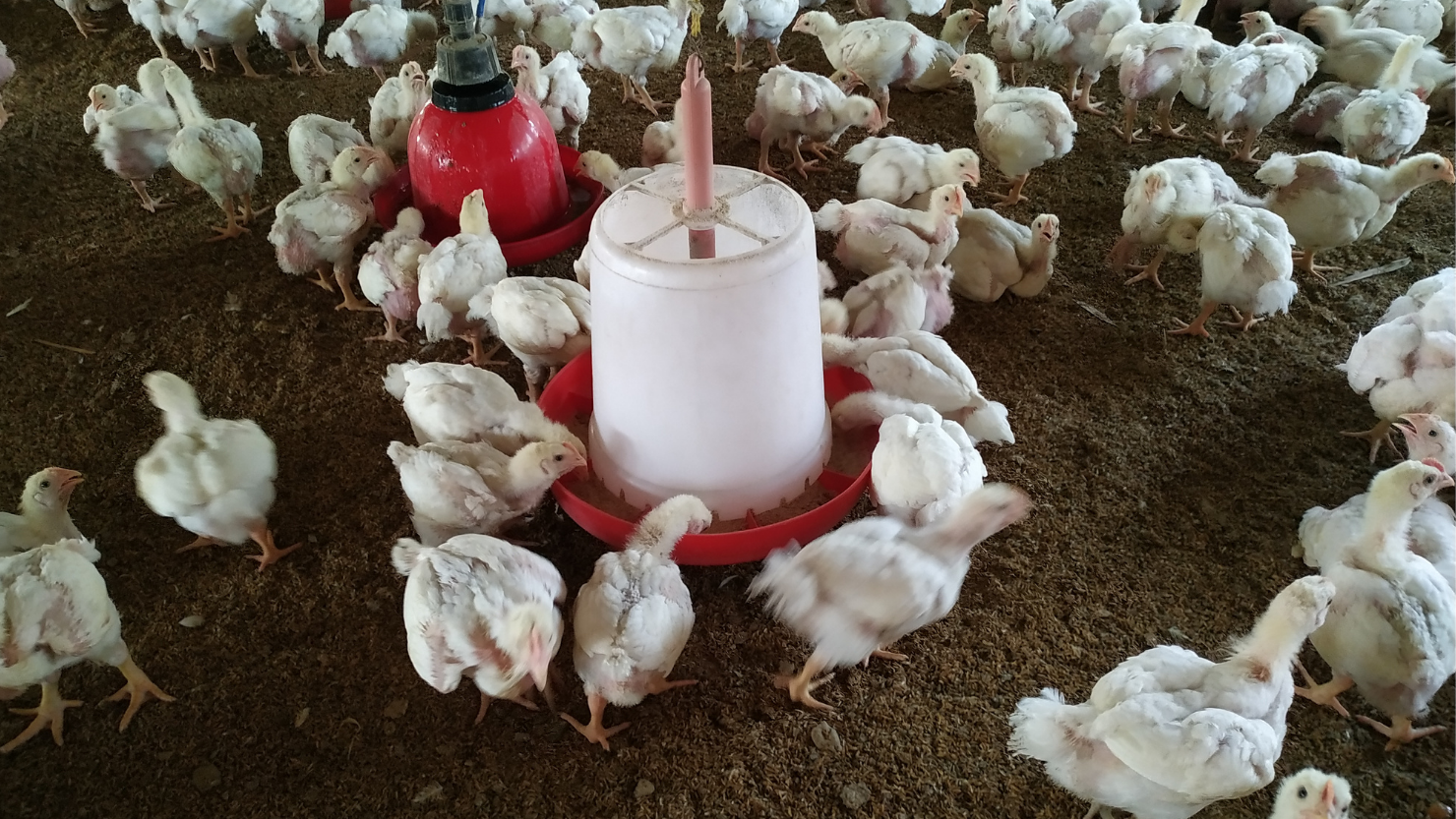
Regardless of the method of keeping and growing broiler chickens, it is important to choose the right stock. There are several options here as well. First, you can buy eggs for incubation. It is cheaper than buying chicks, but requires more attention and scrupulousness.
After all, if a mistake is made when placing the eggs in the incubator, the entire batch will die, and the money will be thrown away. Those who have already had experience in growing broilers using an incubator should buy eggs. It is better for beginners in poultry farming not to take risks and buy chicks that have already hatched.
An important rule is to buy the product only from professional breeders. Some inexperienced owners go to the market and buy eggs there. But in this case, there is no guarantee that the buyer will be sold a high-quality batch and that it is exactly the broiler breed.
Note! You should study information about poultry farms in your region in advance, read reviews about them, collect as much information as possible. Only after such a preparatory analysis can you contact the management and agree on the purchase of masonry.
It is necessary to clarify how old the hen is, whose eggs they want to sell to the buyer. If the smoker is more than a year old, this option should be abandoned. After a year, the productivity and egg-laying of most chickens drops dramatically. This applies to almost all breeds. Therefore, you should buy eggs from young laying hens.
The appropriate age is 8-10 months. Sexual maturation of chickens occurs up to 4-6 months. The first batches may not yet be of such quality as the second or third batches. Based on this, the age of 8-10 months is considered the most productive.
After making a decision about the place of purchase, it is necessary to carefully examine the offered product. Egg quality is determined by its external features:
- The color of the shell should be uniform, without separations and color transitions. Eggs can be white or brown, it all depends on the breed of broiler.
- The size of the egg should be standard. Products that are too large or, on the contrary, too small, should not be bought. Such deviations indicate a lack. The same small chicks will hatch from small eggs, so they will not gain the required normal body weight. Plus, they may have health problems, so you will have to spend money on the services of a veterinarian. It is also not advisable to buy large eggs, because such products, as paradoxical as it may sound, have a very thin shell. Even with slight mechanical damage, such an egg can break. Another dangerous risk is the penetration of harmful infections through micro-cracks.
When choosing a clutch, make sure that all eggs are the same size. This will ensure that the chicks will hatch at the same time and will be equal in physical characteristics.
Importantly! Purchased eggs should be stored in a warm and dry place. They can be placed in the incubator 2-3 days after being removed from the nest.
If the farmer does not want to burden himself with worries about growing broilers with the help of an incubator, he should immediately buy chickens. In this case, there are also nuances that you need to be aware of. In the first 10 days, all baby birds are prone to death.
Immunity is not yet strong, so there is an increasing risk that the chick will catch an infection, get sick and die. To protect yourself from the risk of losing chicks, you should buy only those specimens that are at least 10 days old. Of course, day-old chicks are cheaper, but there are several times less guarantees that they will take root in a new place.
When choosing baby broilers, you need to pay attention to their condition. Chicks should be:
- active;
- inquisitive;
- peaceful
If the chicken does not respond to sounds, light, moves slowly or sits completely in one place, it has a lost and frail appearance, it means that everything is not right with such a chick. Most likely, he will have to be culled.
Then you need to visually inspect the chickens. The fluff should be soft and uniform. If there are gaps, bald spots, if fluff is rare, this is a direct indication of a sick pet. Then it is recommended to feel the belly of the bird. It should be soft, but tight. If there is swelling in the abdomen, this is also a sign of deficiency and illness.
Importantly! After buying chickens, they must be taken to a chicken coop prepared in advance. It is worth remembering that in the first couple of days the birds will feel stressed due to the change in the environment. It is necessary to be as responsible as possible for the control of chickens, to monitor their well-being, to anticipate all possible risks.
Keeping in a cage
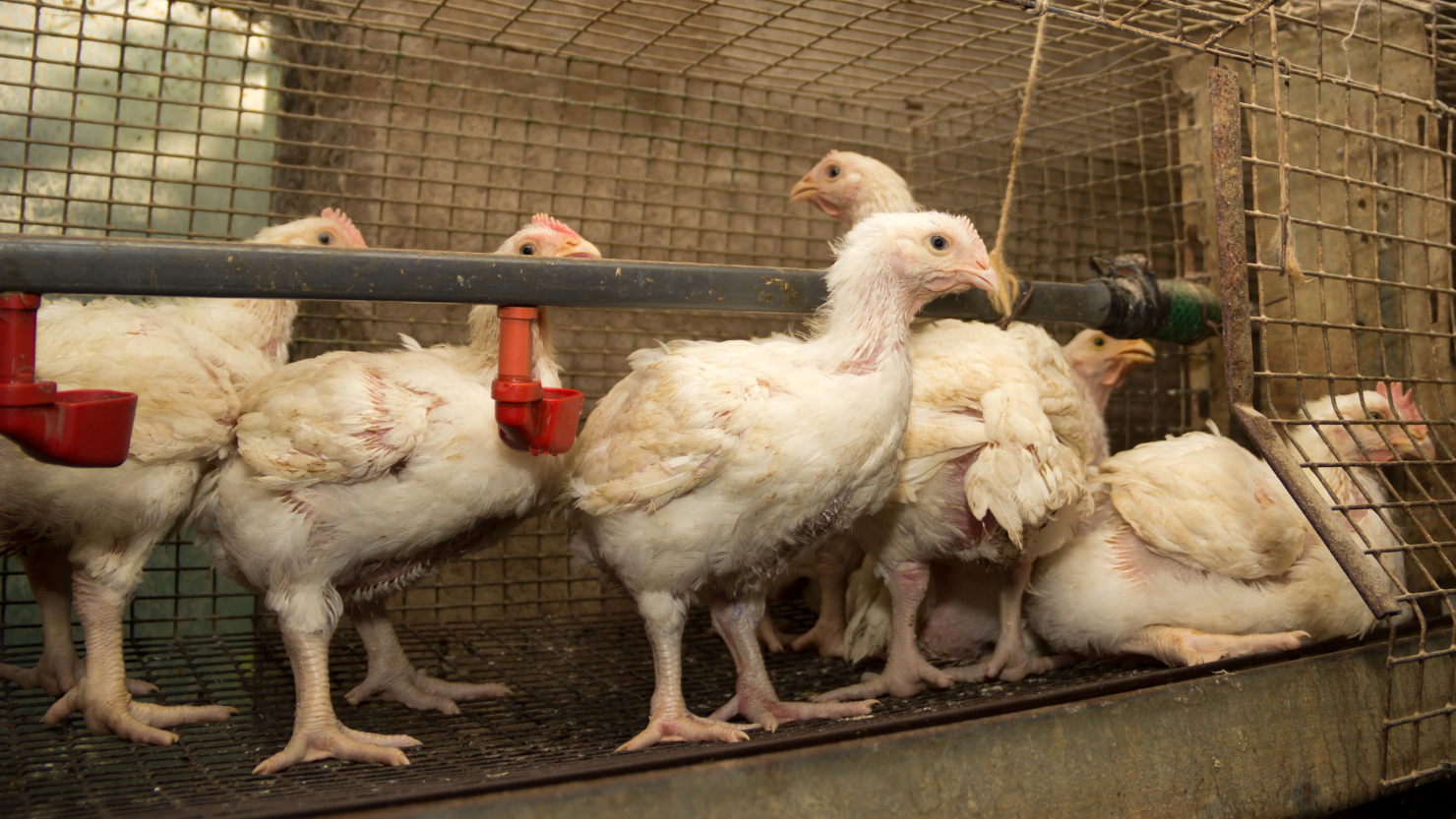
Most farmers prefer cage keeping of broilers. This choice was not made by chance, because this type of cultivation really has many advantages.
Advantages of keeping chickens in cages:
- Birds gain weight faster. The space of the cage is strictly limited, so the physical activity of the chickens is reduced to a minimum. They have the ability to move, but it is literally a couple of steps to the water bowl with the feeder and back. Broiler chickens feel great without a walk, as they do not need it. The breeders tried to ensure that the birds did not feel the need for walks. Crosses are calm and carefree by nature, they do not show excessive curiosity, they do not seek to break free. That is why you should not worry about the mental state of smokers – they are quite comfortable in cages. The main thing is to correctly calculate the size. Tightness should not be critical.
- The risk of infection with harmful bacteria is reduced. It is not necessary to put litter in the cages, but microbes accumulate in the litter, fungus is born, and infections dangerous to the health of the chickens appear. In this regard, cage keeping is much safer than the floor version. Of course, cages must be regularly cleaned and disinfected. Especially after the slaughter of the old batch and the settlement of new livestock. But in general, the risk that the birds will get sick is practically zero if you follow the rules of hygiene.
- Cages can be placed in several tiers, and then it will be possible to save a lot of space in the aviary. With tiered arrangement, it is important to remember one thing – the temperature regime. In cages, birds do not have the opportunity to get closer to the heat source or, on the contrary, move away from it if it is very hot. The owner of the poultry house must adjust the temperature in such a way that all tiers are heated evenly. It cannot be allowed that, for example, the broilers are hot upstairs and cold on the lower floors. Such negligence will lead to the death of livestock, therefore, the costs of purchasing birds will not pay off, and the farmer will suffer losses. This is an extra reminder that it is important not to forget about the details when keeping broilers.

Keeping broilers in cages is suitable for both small farms and large poultry farms. The main thing is to choose the optimal cage size. It is recommended to settle no more than 10 individuals in one. Otherwise, the chickens will not have enough space, they will panic and show aggression. This threatens the death of birds or the development of diseases.
Chickens that have grown up are divided into separate cages. They should always have unimpeded access to food and water. Feeders and drinkers can easily be built with your own hands. For this, bottles and canisters from under water, plastic sewer pipes, any free containers are used. On the Internet, you will find many photo and video materials on the topic of how to equip a birdhouse with minimal costs and with the help of improvised means.
Floor maintenance
Floor housing is used less frequently than cage housing. There are several explanations for this:
- First, increased control over the cleanliness of the premises is required. Chicks spill water, scatter food, relieve themselves – all this is found on the litter. Dirt, water and natural secretions become fertile ground for the reproduction of microbes. They are able to reproduce in the shortest possible time. And since in the first weeks of life, chicks are still quite susceptible to negative external factors, infection with infections can lead to death if the disease is not noticed in time. You will have to clean the birdhouse every day, and you need to be ready for this.
- Secondly, with the floor version, fewer birds are kept than with the cage version. In the cages, you can clearly calculate how many birds will be placed. With the floor version, broilers are not so strictly limited in their movements. Because of this, it will not be possible to grow as many birds as with the first method. Chicks will walk around the chicken coop and, as a result, take up more space. In cages, however, they are strictly limited and do not have such freedom.
- Thirdly, chickens will gain weight more slowly. Although their physical activity is not so great, it is undoubtedly higher than in cages. Chickens will walk a lot, explore the coop, lose calories. The term of gaining the desired mass will increase by about 2-3 weeks. If it is not critical for the farmer, then you can wait. But if the management of the poultry farm wants to put production on stream, even such a seemingly short term will result in a decrease in profit.
Note! Among the advantages of the floor version, it should be noted the ease of implementation. But right away, poultry farmers should be warned that this method implies slightly higher costs for electricity and heating than when growing broilers in cages.

Necessary conditions
In order for the hybrids to grow into healthy chickens and gain the required weight in the shortest possible time, it is necessary to follow simple rules and conditions for their maintenance. First of all, it is necessary to prepare the poultry house for the settlement of livestock. Preparation is carried out in several stages:
- Finish the room. If broilers are planned to be raised in cages, the cages must be disinfected. This is necessary in order to eliminate the risk of chicken disease and the spread of harmful bacteria. Under no circumstances should chicks be placed in a dirty, untidy birdhouse. This is a direct path to the loss of livestock.
- The walls of the chicken coop must be plastered. Cover the walls with lime. It will also help protect against fungus, mold and the penetration of infections through cracks or micro-cracks.
- Special attention should be paid to the inspection of gaps. It is necessary to inspect the walls and floor, even the ceiling. All detected gaps should be properly covered. This means that you cannot resort to temporary measures, such as plugging the gap with a cloth or attaching a board. Such options will not protect the chickens from drafts, and the birds themselves can easily split the gap. When laying, you should use insulation or clay, cement, wood.
- The next stage is temperature regulation. The room should be warm. The optimum temperature is +30 oC. It is important to ensure that the thermometer does not fall below +18-20 oC in winter. Although broilers are distinguished by good health, it is not worth exposing them to the risk of hypothermia and colds. After all, this will directly affect the rate of mass gain.
- The humidity regime is no less important. In the poultry house, the humidity level should fluctuate between 70-80%. It is highly undesirable for the mark to fall below 60%.
- If in the room where broilers grow, the appropriate temperature and humidity are set, but there is no ventilation, this will lead to mass diseases. It is necessary to ensure the inflow of fresh air and the removal of stagnant air masses. Ventilation must work without interruption. It is necessary to choose a suitable ventilation system in advance and install it, check its serviceability. Fresh air is necessary for the health of birds. In addition, with the help of ventilation, all harmful fumes are removed outside.
- Adjusting the lighting is a separate point. The light day for broilers should last 12-14 hours. In summer, this can be easily ensured naturally, but in winter, it is much more difficult. It will be necessary to purchase additional equipment and install it in the room – these are various lighting devices. Calculation of electricity costs and, in principle, the power of electrical power sources is carried out in advance. If you buy equipment at random, without preparation, the purchase may result in the devices either not working or overloading the power grid. The second option creates the risk of an emergency situation.
- If the farmer plans to keep chickens on litter, it is necessary to prepare the floor. Clean, check whether there is no fungus and mold, if necessary, carry out additional processing. Then cover the floor with sawdust. If the cage type is kept, determine the place to install the cage or plan the location of the tiers.
- The next question is where the feeders and drinkers will be. It is also necessary to purchase or produce all the necessary fodder for chickens yourself.
- If there are other animals in the household (birds, cows, goats, dogs, etc.), care must be taken to protect the poultry house. Doors must be securely closed, as well as windows. The entrance must be closed to all outsiders, whether human or animal.
After settling the birds, you must follow the rules for caring for them and the chicken coop. In particular, clean the premises, treat the feeders and drinkers with disinfectants, and also monitor the presence of a sufficient amount of feed in the feeders and water in the drinkers.
Feeding
Most often, broilers are given compound feed as feed. It contains all the necessary trace elements and other ingredients useful for chickens. Combined feed has several types, each of which is intended for a certain age of feathered pets.
Types of compound feed:
- Start – for ages 1-14 days;
- Growth, Fattening or Grover – for ages 15-35 days;
- Finish – for individuals from 30-35 days, given up to slaughter.
With the correct distribution and number of portions with the help of compound feed, broilers gain the required weight by the second month of life.
But there are also other feeding options. First, it is independent preparation of fodder. It is prepared from corn and wheat grains, soybean and sunflower meal are added, and meat and bone or fish meal is added. In some cases, chalk is also mixed in. As a prevention against diseases and for general strengthening of immunity, birds are given vitamin supplements along with food.
Advantages of self-preparation of fodder:
- cost savings;
- the owner knows exactly what he feeds the chickens.
The main disadvantage is that broilers gain weight more slowly. The term is extended by 2-3 weeks. For this reason, compound feed is a more effective feeding option. But if we are talking about a small farm, then it is quite reasonable to prepare food for chickens yourself.
Another way is also independent preparation of fodder, but with the addition of a protein-mineral-vitamin supplement (BMVD). It is a homogeneous mixture, which includes the crushed components of the following products:
- sunflower cake
- two-chamber refrigerator;
- bone meal;
- soybean meal;
- yeast;
- chalk, etc.
Note! The supplement is cheaper than compound feed. But the downside is that not all farmers are able to calculate the required proportion of food additives. If it is not enough, the chickens will grow more slowly. If you overdo it, it can negatively affect the birds’ digestion.

Regardless of the choice of feeding option, it is important to follow the rules of eating. It is important to follow the instructions for calculating portions and number of meals. In the first week of life, chicks need to be fed 8 times a day. Starting from the second week, broilers are fed 6 times a day. In the third week, the number of meals is reduced to 4 times. And, finally, when the birds complete a month, they are fed only twice a day – in the morning and in the evening, before going to bed. If you ignore these tips and feed the birds more often, they will simply get fat. This will lead to deterioration of well-being and health problems. If you feed broiler chickens less often, they will starve and will not gain the required body weight.
Farmers are obliged to know the products that cannot be given to broilers:
- boiled potatoes;
- expired products;
- bread in any form;
- sand.
The diet of broilers should be varied. It is necessary to give the birds fresh greens – be it dill, parsley, lettuce or tops. Greens contain many vitamins, which are necessary for chickens to feel good.
An important point is providing pets with drink. Water should be served warm – but not boiling water! The corresponding liquid temperature is 20 oC. It should also be clean and preferably settled. To improve digestion, it is recommended to add a couple of drops of potassium permanganate, decoction of chamomile or rosehip to the water.
Each new batch of chickens must drink a course of antibiotics. It lasts 2 weeks, drugs are prescribed by a veterinarian. Vitamins are given by dissolving them in warm water.
Importantly! Feeders and drinkers must be kept clean. Disinfection should be carried out regularly, bowls and containers should be treated with special means.
Lighting
The optimal length of daylight for broiler chickens is 12-14 hours. In the summer, it is easy to ensure this duration naturally, with the help of windows. But if we are talking about winter, then you will need to connect artificial equipment. It is necessary to purchase lighting devices in advance, choose a place for their installation, calculate the cost of electricity. If any difficulties arise, it is better to seek help from a professional electrician.
It is necessary to wake up and put the chickens to sleep at the same time. This is how they will form a routine of the day. If the time of waking up and turning off the light will change every time, this will immediately affect the well-being of the chickens.
Temperature
The temperature in the poultry house should be maintained at a level not lower than 18-20 oC. In summer, the thermometer mark usually reaches 30 oC – the chickens will be comfortable at this temperature. The main thing is to ensure that all birds receive the necessary heat. This is especially important in cage housing, when broilers do not have the opportunity to approach or move away from the heat source. All tiers and cages must be heated equally. Otherwise, some birds will feel well, and others will get sick.
Rules for temperature control in the chicken coop:
- +30-35 oC – this temperature should be in the first 7 days of settling new young chickens.
- +26-28 oC – from 6 to 10 days the temperature decreases.
- +18-20 oC – it is necessary to lower the temperature to this mark for the fourth week of keeping broilers. The process should be carried out gradually, reducing the level by 3 degrees every week.
Note! It should be remembered that it is important not only to regulate the temperature, but also to monitor the operation of the ventilation system.
Litter
Litter is used when chickens are kept on the floor. It is made from sawdust. The main requirements for litter are that it should be loose, dry, and ecological. It is advisable to choose sawdust small, without large particles, because birds can easily injure themselves or swallow large fractions out of curiosity.
Before pouring sawdust, it is necessary to treat the floor with quicklime. One kilogram of material is required for one square meter of the room. After that, sawdust is generously poured over the layer of quicklime. The litter should be changed regularly, as bacteria multiply quickly in its loose structure. Mold is especially common.
Diseases
Crosses are strong chickens with excellent health. They are undemanding in care, resistant to various diseases, and even in case of infection and timely veterinary care, they quickly return to normal. However, there are several ailments that are characteristic of broiler breeds. They can and should be prevented. The main thing is to know how they manifest and what they arise from.
Possible diseases of broilers:
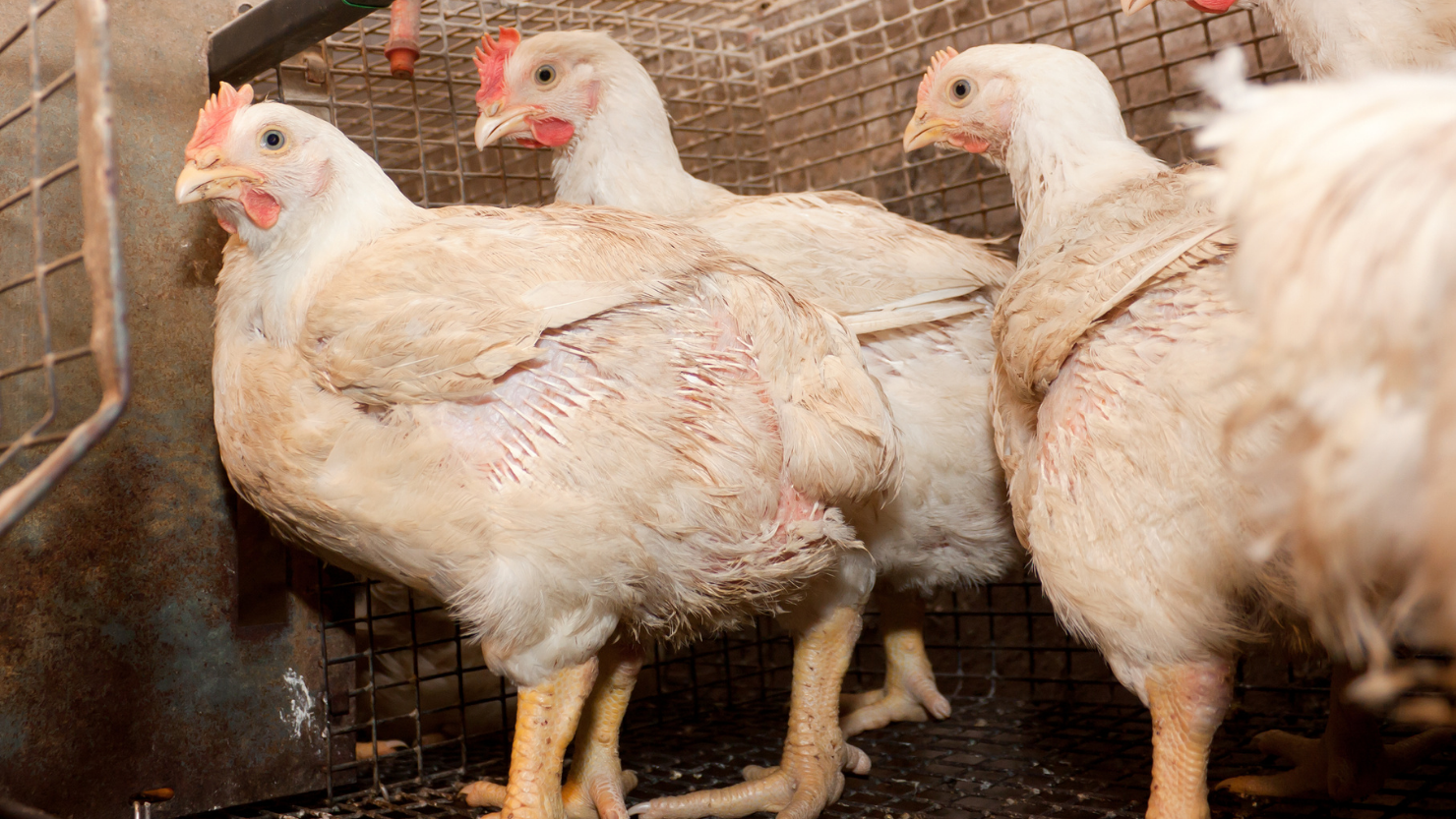
- Arthritis affects caged chickens. It is expressed in the weakening of the leg muscles or their atrophy. To avoid such a risk, you must correctly calculate the area of the cage. If the disease has already appeared, the birds should be given ampicillin. The course is 5 days. If there is no improvement, it is necessary to consult a veterinarian.
- Salmonellosis – stomach upset occurs when infected with this infection. You should check the birds’ food and make sure that expired products do not enter the diet. It is also necessary to pay more attention to cleaning the chicken coop and additionally disinfect the feeders and drinkers.
- Poisoning – in this case, it is also necessary to check the quality of the products and feed that is given to the birds.
- Heterakidosis – in other words, these are worms. A preventive measure is to clean the poultry house more often and more thoroughly.
- Ascites is essentially obesity. With ascites, excess fat accumulates in the abdomen of birds, which causes chickens to feel ill. The advice is to strictly follow the feeding rules, do not give the birds more food than indicated on the packages, so as not to overfeed the pets.
Importantly! Chickens are afraid of drafts. The chicken coop must be reliably protected from the wind, all gaps must be closed before the birds settle in the house.
Maintenance errors
Not all farmers are able to raise a quality flock of broiler chickens the first time. Failures are associated with a basic lack of experience or ignoring generally accepted rules. You should not try to raise chickens according to your own schemes. You need to listen to the professionals, and then everything will work out.
The main mistakes in growing broilers:
- purchase of a low-quality product – eggs or young animals;
- the premises of the henhouse are not disinfected before the birds are settled;
- incorrectly calculated area of the cage or room for floor maintenance;
- no ventilation;
- the humidity level in the room is too high or low;
- the temperature in the poultry house is not adjusted;
- the lighting is too dim or too bright;
- birds are overfed or underfed;
- birds are given meager food;
- pets are fed expired products or given prohibited ingredients;
- they forget to add water to the drinking bowls;
- chickens are given raw and cold water;
- birds are not allowed to drink a course of antibiotics;
- do not follow the daily schedule;
- they forget to clean the chicken coop.
It is because of the listed errors that livestock grows slowly, gets sick or dies altogether. But if you remember the recommendations given in the article, you can easily avoid all the negative points.
Breeding broilers is an excellent option for additional or main income. Keeping crosses is easy and profitable. The need for chicken meat will never disappear, and since the population of the planet is increasing every year, the demand for such products will only grow.