
Bell pepper is used in the preparation of many dishes, so this culture is very often grown on the homestead. But it is very capricious, and any mistake in watering or the temperature of the day will lead to the loss of the crop. There are five simple tips that will make it easier to care for pepper seedlings after planting in the ground and help you get a harvest of juicy, strong fruits.
Correct landing temperature
Pepper is a heat-loving vegetable. Planted seedlings are sensitive to air temperature. The culture is planted when the frosts have finally passed. At the same time, the soil temperature should be at least 15 degrees. Similar conditions occur in the regions of our country at different times: from the end of April (southern and eastern regions) to the beginning of June (northern and western regions).
During the day, the air temperature should not be below 20 degrees, and at night it should be kept within 15-17 degrees. But plants also tolerate heat with difficulty, planting in the soil at a temperature of more than 30 degrees threatens the death of tender seedlings.

Soil preparation
Pepper is a picky crop, so the soil is carefully prepared before planting. Loams and fertile sandy loams are considered favorable soil, if the site has other soils, they can be additionally enriched with useful substances:
- Sandy soils need mineral fertilizers in the spring.
- Clay soil needs additional application of wood sawdust and sand, you can add peat.
- Soil with an acidic environment should be fertilized with lime or enriched with superphosphate.
For any soil, it will not be superfluous to add rotted compost or wood ash.
Proper watering
The main requirement for watering crops is warm water. Cold running water should be avoided in order to grow a strong, bountiful harvest. A warm settled liquid with a temperature of 25-29 degrees is ideal for peppers. The soil should always be slightly moist, drying out has a negative effect on the fruit yield.
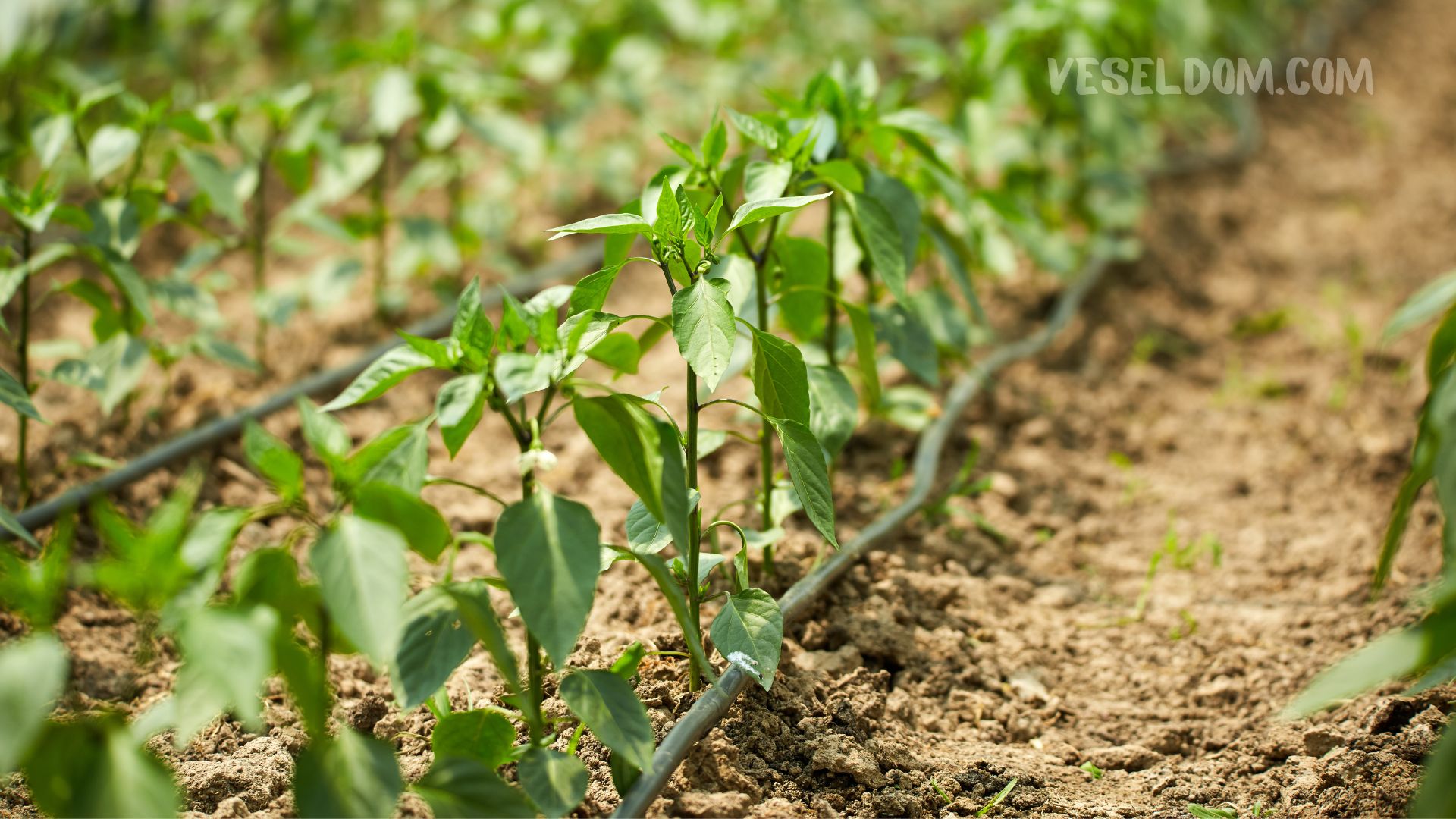
The best solution would be drip irrigation. If it is impossible to organize it, you can apply soil mulching.
Feeding
Good feeding is very important for peppers. The first fertilizer is applied during the flowering of the crop. Repeated feeding is carried out during the formation of fruits.
Slurry or herbal infusions are used as a nutrient liquid, you can add a little urea. To obtain large and tasty fruits, top dressing with potassium is used. Ash-based fertilizers can be applied, they are a natural source of potassium.
Excess nitrogen fertilization can negatively affect the taste of pepper.
Bush formation
The formation of a bush can increase productivity. There are several basic rules:
- Remove inflorescences in places where the bush branches.
- Leave no more than 3 fruit-bearing shoots.
- If the shoot does not bear fruit, it must be plucked.
- In mid-July, fruit-bearing shoots are pinched. This will help speed up the ripening of the fruits.
You can get a good harvest by choosing seeds from healthy plants, providing the necessary care and conditions for the growth and development of fruits. Despite the capriciousness of the crop, fertilizing, watering, and proper soil preparation can significantly increase yield even in unfavorable climatic conditions.