
Newbies in farming often wonder if it is possible to give zucchini to laying hens, because it is such a pity to throw away an unclaimed crop. To increase the productivity of poultry, it is necessary to prepare a proper diet, excluding harmful products. Zucchini do not belong to these. And now let’s analyze this issue in more detail.
Peculiarities of feeding chickens with zucchini
The type of feed that laying hens eat affects their health. Some products can cause digestive disorders, wash out useful substances from the body. Poultry needs vegetables. Pumpkins, zucchini, carrots, cabbage, and beets are among the best. Chickens eat them with pleasure.
Experts recommend giving laying hens the allowed vegetables in raw form. So they store more useful components.
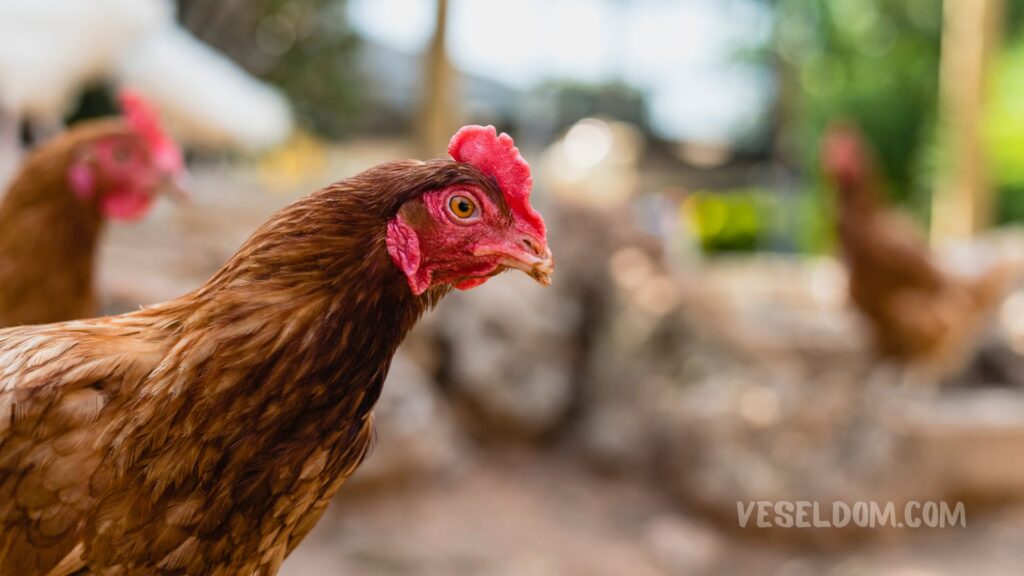
Experienced farmers recommend giving zucchini to laying hens and broiler chickens, grinding them with a grater or an electric meat grinder. The vegetable is useful for chickens – it improves their productivity. In addition, laid eggs are tasty and large in size.
Zucchini can be given to broilers, but it is worth considering that this vegetable in its raw form prevents obesity. After cooking, less trace elements and vitamins remain in vegetables, but starch is formed, which contributes to the deposition of fat in broilers.
In raw form
Feed for adult laying hens should be balanced. It is recommended to include not only cereals, but also vegetables in the diet. Zucchini are considered a source of useful substances. In addition, they can be stored for a long time. They are collected in autumn and stored in a cool, dry place.
If necessary, chop the raw zucchini, but do not remove the skin. Replacing full feeding with zucchini is not recommended. This is an addition to green fodder, which is given after pre-mixing with chopped grass.
Chicken, with frequent use of a valuable product, does not change its taste. However, the poultry meat becomes more tender, and the laying hens increase their productivity.
It is not recommended to feed chickens with zucchini often, because laying hens may develop diarrhea, which leads to dehydration. They give a little in raw form – no more than 2-3 times a week.
Can broiler chickens be given zucchini? You can start introducing this vegetable into the diet of young chickens 3 weeks after their hatching. Otherwise, the chickens will develop indigestion, which can lead to their death.
In mixes
The ideal option for feeding laying hens at home is a mixture. Almost any vegetables can be added to them, and zucchini is no exception. Most often, they are added to the summer mixture, but if the vegetables are preserved during frosts, you can add them to the winter mixture. To prepare it, you need:
- 50 g of potatoes;
- 50 g of tops of carrots or beets, clovers, green onions, dandelions or nettles;
- 50 g each of carrots and zucchini;
- 45 g of grain;
- 20 g of meal;
- 4 g of beans;
- 7 g of yeast;
- 10 g of sour milk;
- 5 g of meat and bone meal;
- 3 g of chalk;
- 1 g of fish oil;
- 0.5 g of salt.

The proportions are indicated for 1 laying hen. Root crops must be boiled and chopped. Bran, beans, sour milk are added to the mass. The mixture is thoroughly mixed. Otherwise, the grain will not seep well. Greens are chopped and added to the mass. After mixing, the mixture is spread over feeders. Premixes can be added to the winter version of this feed.
Benefits of zucchini
Zucchini is about 93% water. They do not contain trans fats and are considered dietary products. The calorie content of 100 grams of the product is 24 kcal. It can be given raw and after heat treatment. In the first case, chickens get more benefit. The vegetable contains fiber, which irritates the receptors of the bird’s gastrointestinal tract. As a result, the secretory function of the intestines increases. Fiber contributes to the formation and excretion of cholesterol-containing bile acids. This saves the laying hen from obesity.
Fiber helps to normalize intestinal microflora, reduce the activity of pathogenic microorganisms that participate in the decay of organic substances. This component removes harmful compounds formed during metabolic processes.
The vegetable contains vitamins C, E, A, group B, biotin, as well as nicotinic acid. Vegetable pulp and juice are sources of calcium, phosphorus, iron, magnesium, sodium salts, lithium, zinc and other microelements. Most often, their lack leads to unpleasant consequences for chickens and to diseases. Therefore, a valuable product must be present in the diet of chickens.
Useful video
Video about zucchini in the diet of chickens: